These past two years I’ve been a recluse.
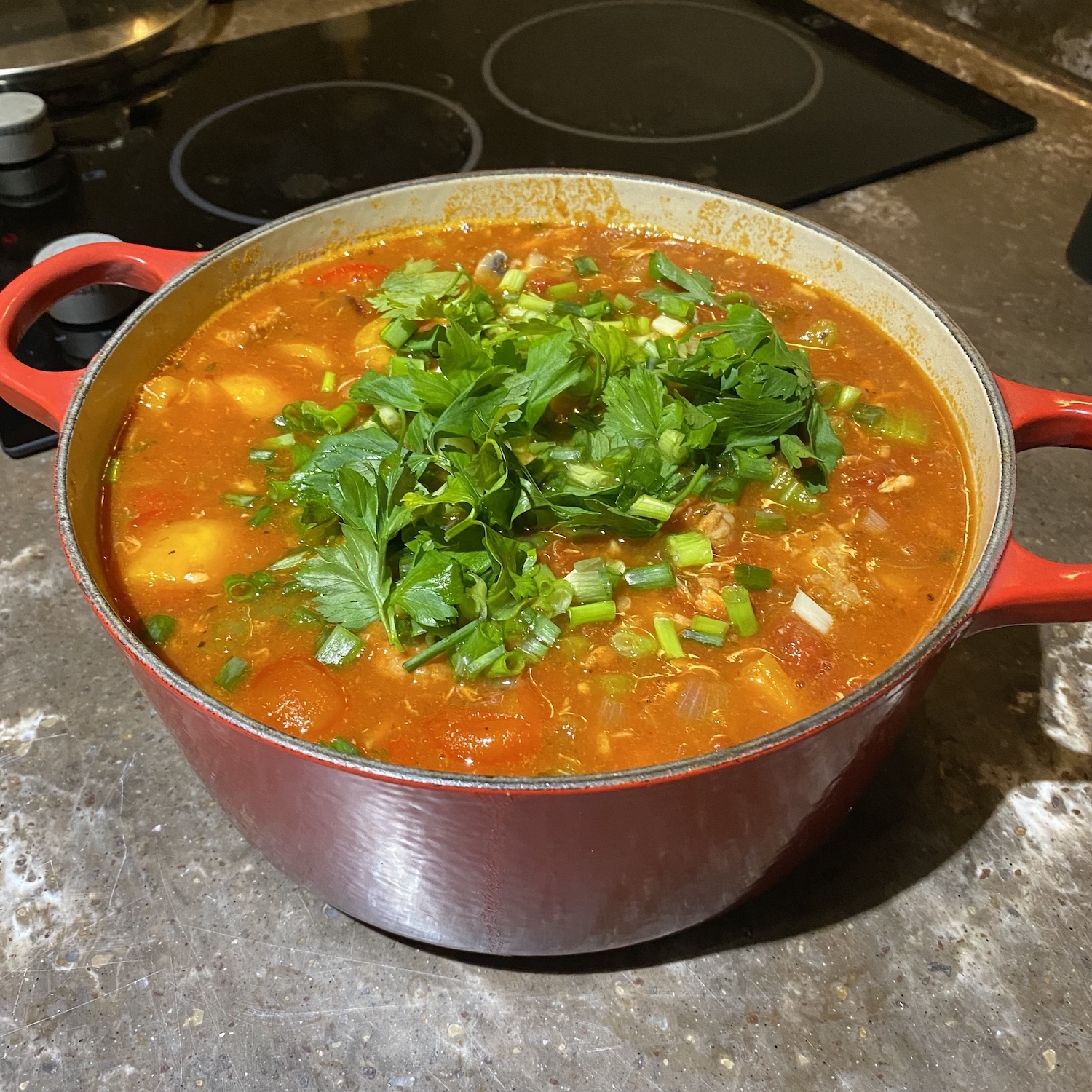
I went into hiding, insulating myself from everything that was happening beyond my home, focusing instead, on reading, writing and cooking my own meals – three simple activities that I enjoy more than anything in the world.
I dropped out of touch with most of my former colleagues and acquaintances, only maintaining contact with family and a few close(r) friends whom I could trust not to divulge where I was and what I was doing at any point in time.
I wanted to get as far away as possible from the life I used to lead. An intense and colourful sort of life, no doubt. But on hindsight, one I don’t think I ever truly enjoyed (sorry!). It was a professional obligation, more than anything else. I floated through it, dazed and on edge.
#ukiyo-e #floatingworld #highendgeisha
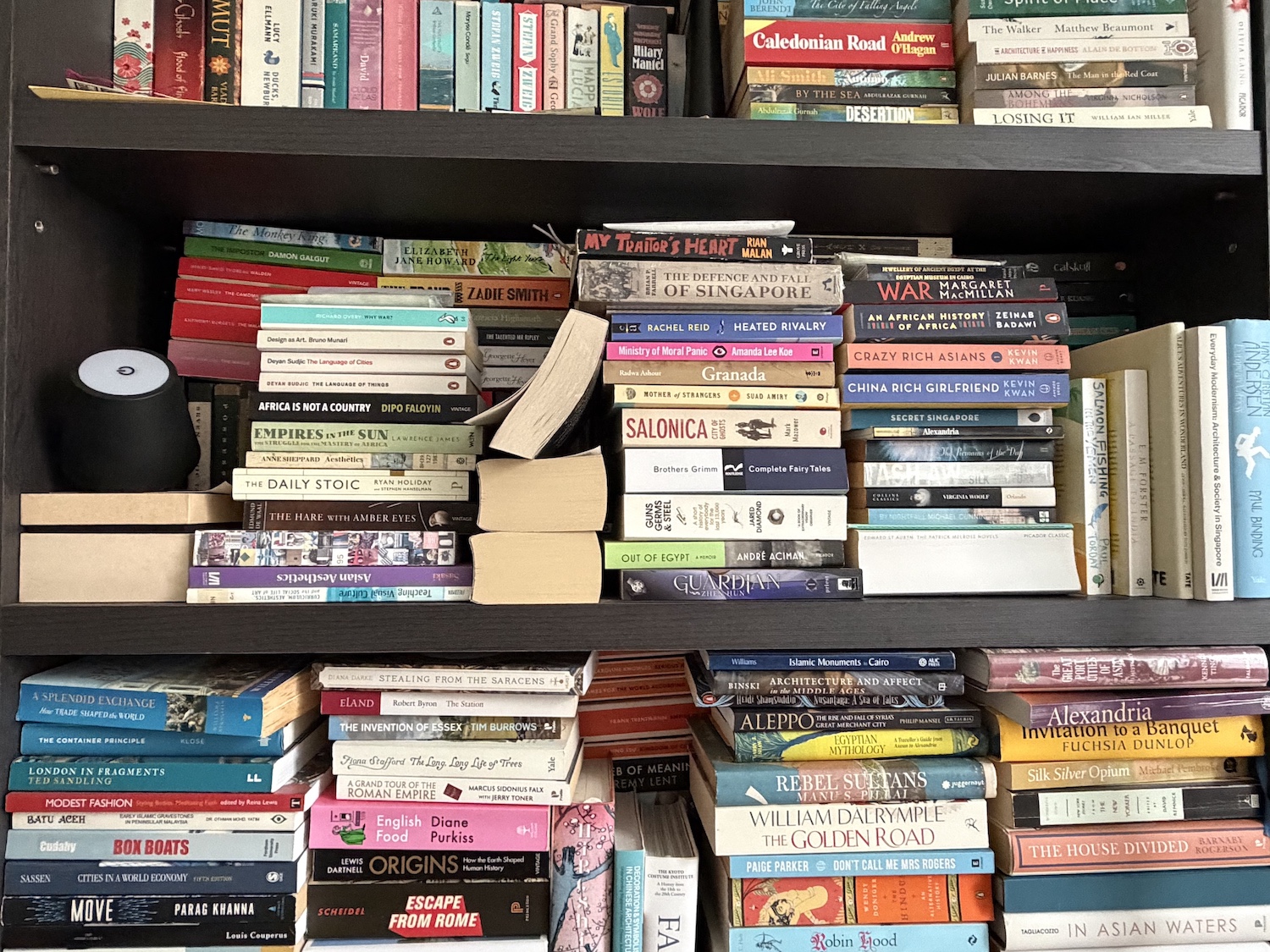
Life has been simple. Certainly, much simpler than when I was still working. I decided I would keep spending to a minimum. With exception of travel, which I’d argue is a form of education; a necessary means to expand one’s horizons. Oh, and also with exception of books – I’m a total nerd.
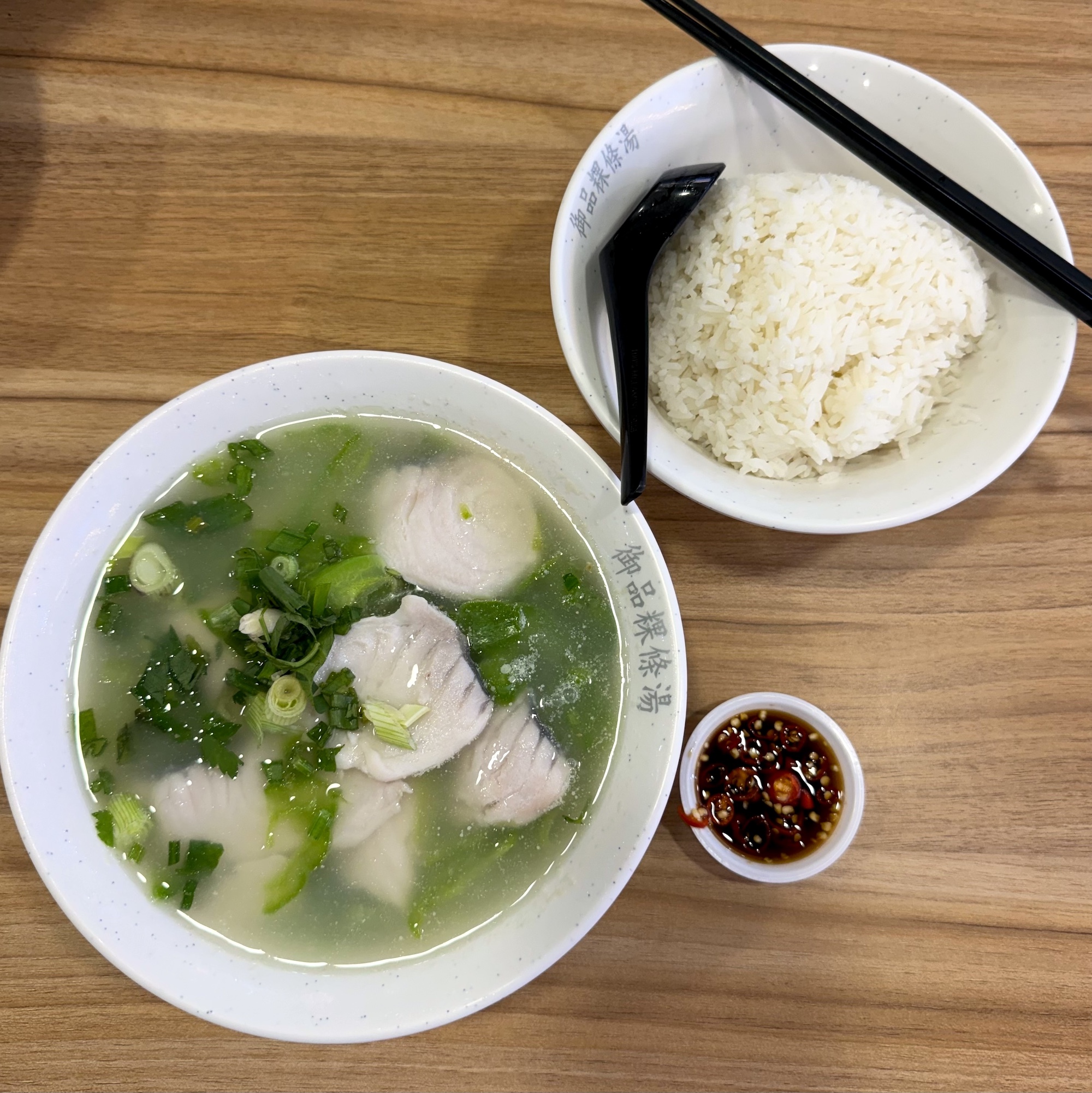
I walked frequently. I took the bus and the MRT all the time. I ate a lot of fish soup – my favourite food of all – at the hawker centre. I depended a lot on the charity of friends and family since I was, essentially, unemployed. People have been kind. I’ve felt enveloped in a glowing nimbus of care and concern.
Two years is a goodly amount of time to retreat from the world.
It’s long enough that I now feel rested, rejuvenated (and actually quite bored). 😅 But it’s not too long that anything important has changed significantly. Recent conversations with ex-colleagues and friends in the local arts and museum scene have shown that the same issues folks were caught up with two years ago still remain. It’s like I never went away.
I’ve enjoyed every day and every minute of being accountable only to myself. I’m on my own time, and I pursue the daily, weekly, monthly, yearly goals that I set. Often for self-improvement, and to satiate boundless, niggling curiosity.
Sometimes, I have no goals at all, beyond to enjoy myself. I’ve watched countless movies and TV series on streaming, read stacks of books, and taken many, many afternoon naps. I’ve learnt to let go.
And that’s the whole point of life, at least so it seems to me at this point of it: to be curious, to enjoy one’s self, and to live the way one wants to. To prioritise what’s most important and let everything else slide by.
What was most important (to me) was finding space again to express myself creatively; to reflect on the impact and legacy I’ve had in the world; and to discover what else I can do with the time that remains.
* * *
Retreating (from the world) isn’t a particularly novel practice. In Chinese tradition, the occasional retreat was seen as beneficial – soul nourishment! – for the literati and warrior classes, weighed down by hubris and societal obligations.
History and literature give us examples of great politicians, poets and warrior-heroes renouncing the world and withdrawing into self-sufficient solitude in the Chinese wilderness. The Tang Dynasty poet, Bai Juyi 白居易, was one such example, leading a carefree and solitary life in retirement at the foothills of the Fragrant Mountains 香山 in the outskirts of the eastern Tang capital, Luoyang 洛阳.
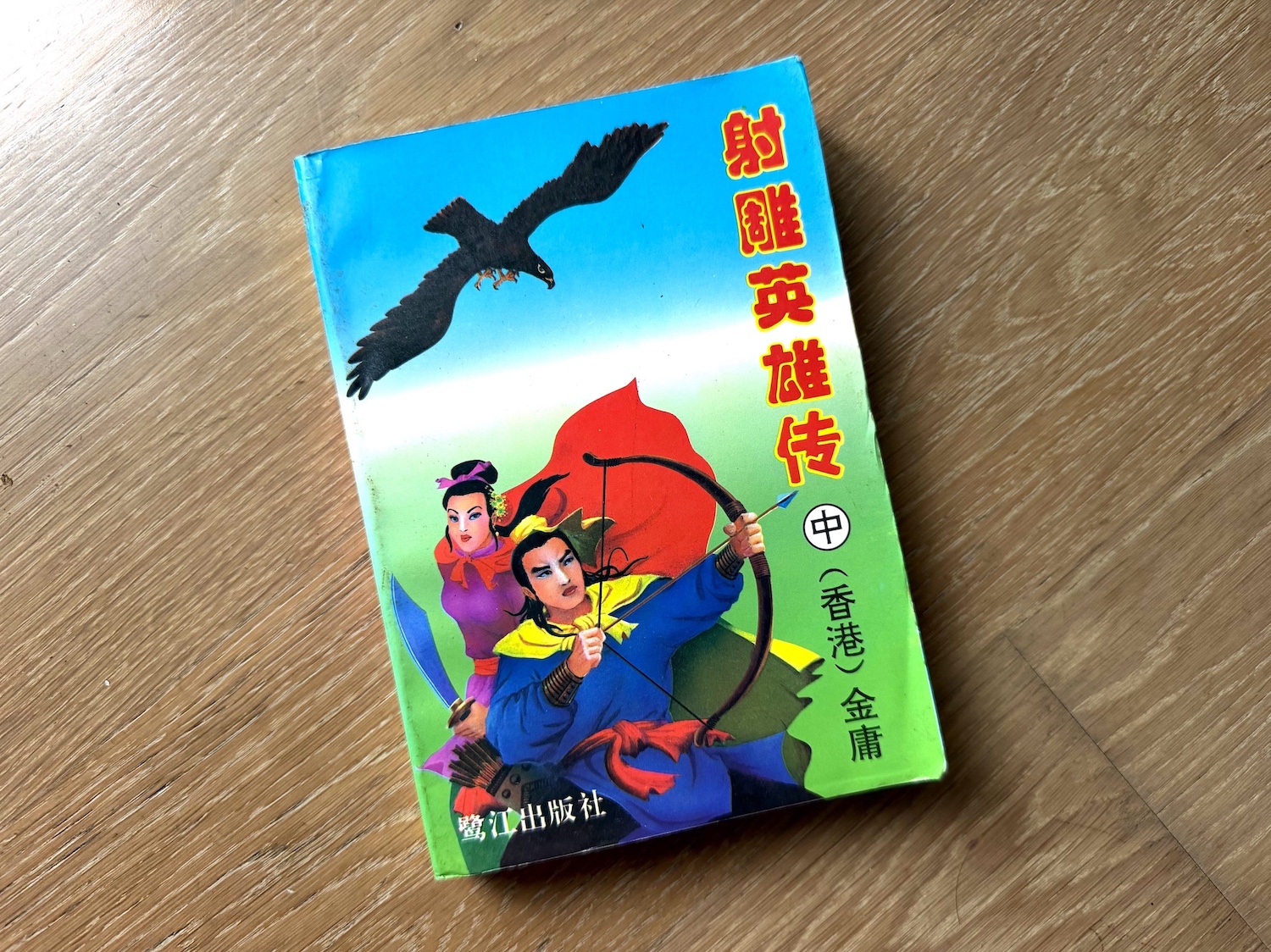
In the popular Jin Yong 金庸 sword-fighting novel Return of the Condor Heroes 神雕侠侣, the titular couple, the lovers Xiao Long Nu 小龙女 and Yang Guo 杨过, leave the pugilistic world 江湖 to lead a life of meditation and blissful domesticity in China’s Zhongnan Mountains 终南山.
Reclusion / Seclusion has its origins in ancient, secular Taoist philosophy. At the core of scholarly desire to escape (the burdens of the mundane world) is the figure of a laughing and carefree Lao Tzu 老子, astride his donkey and cantering at a leisurely pace through a sun-lit bamboo grove.
Later on in the Tang dynasty when Buddhism firmly takes root, hermitism would be imbued with strong religious overtones, and come to be associated with Buddhist monks and Taoist priests living in seclusion within monasteries and shrines perched precariously on precipitous cliffs. Think Shaolin Temple 少林寺 or the nuns of Mount Emei 峨眉山.
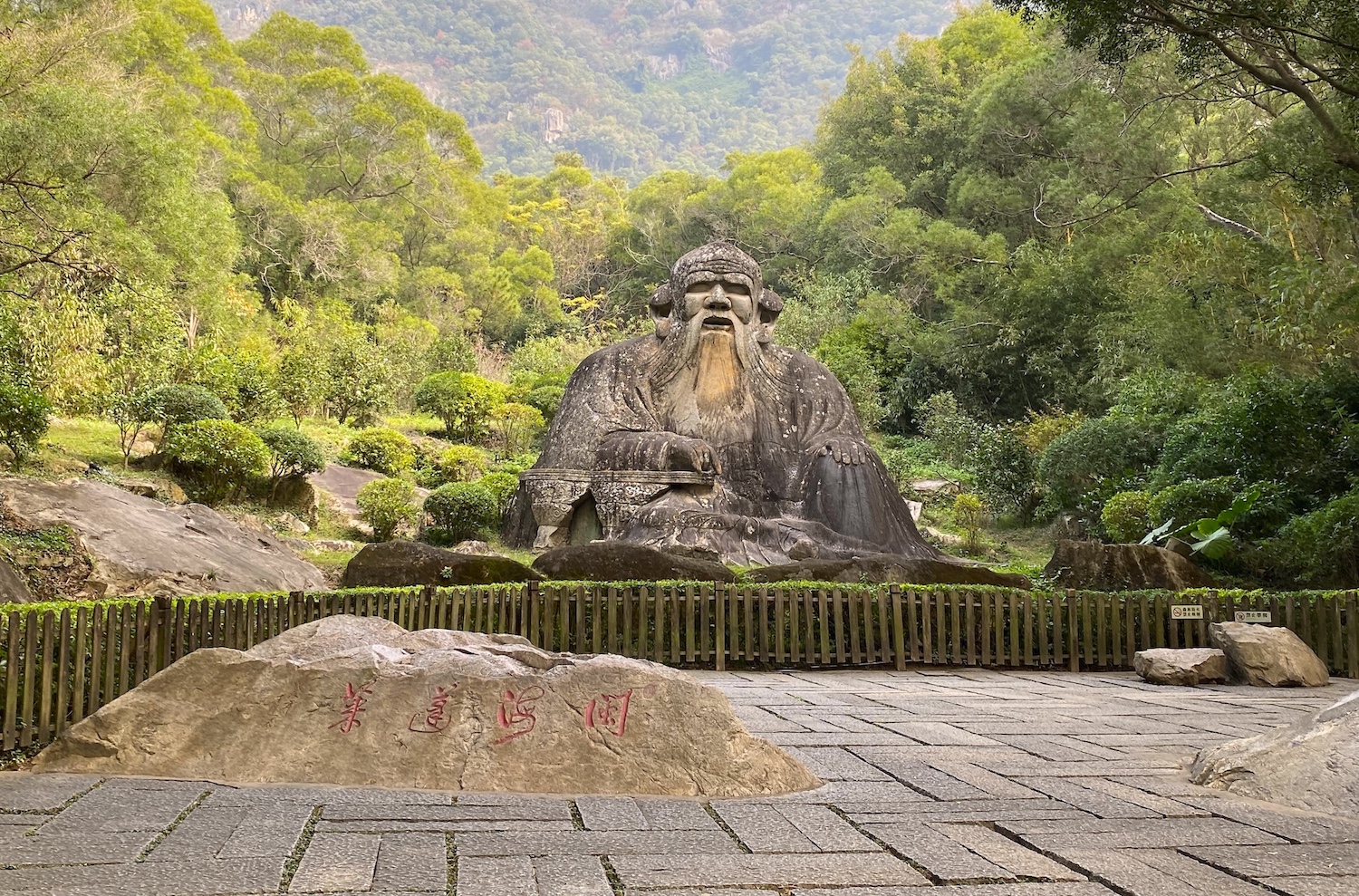
In Chinese, to retreat from the world translates as 隐居 (yin3 ju1), a combination of the words “to hide” and “to reside, or make a home for oneself.” The intent is thus as much to isolate one’s self from the rest of the world, as to find means to eke a simpler and more self-sustainable living with one’s hands.
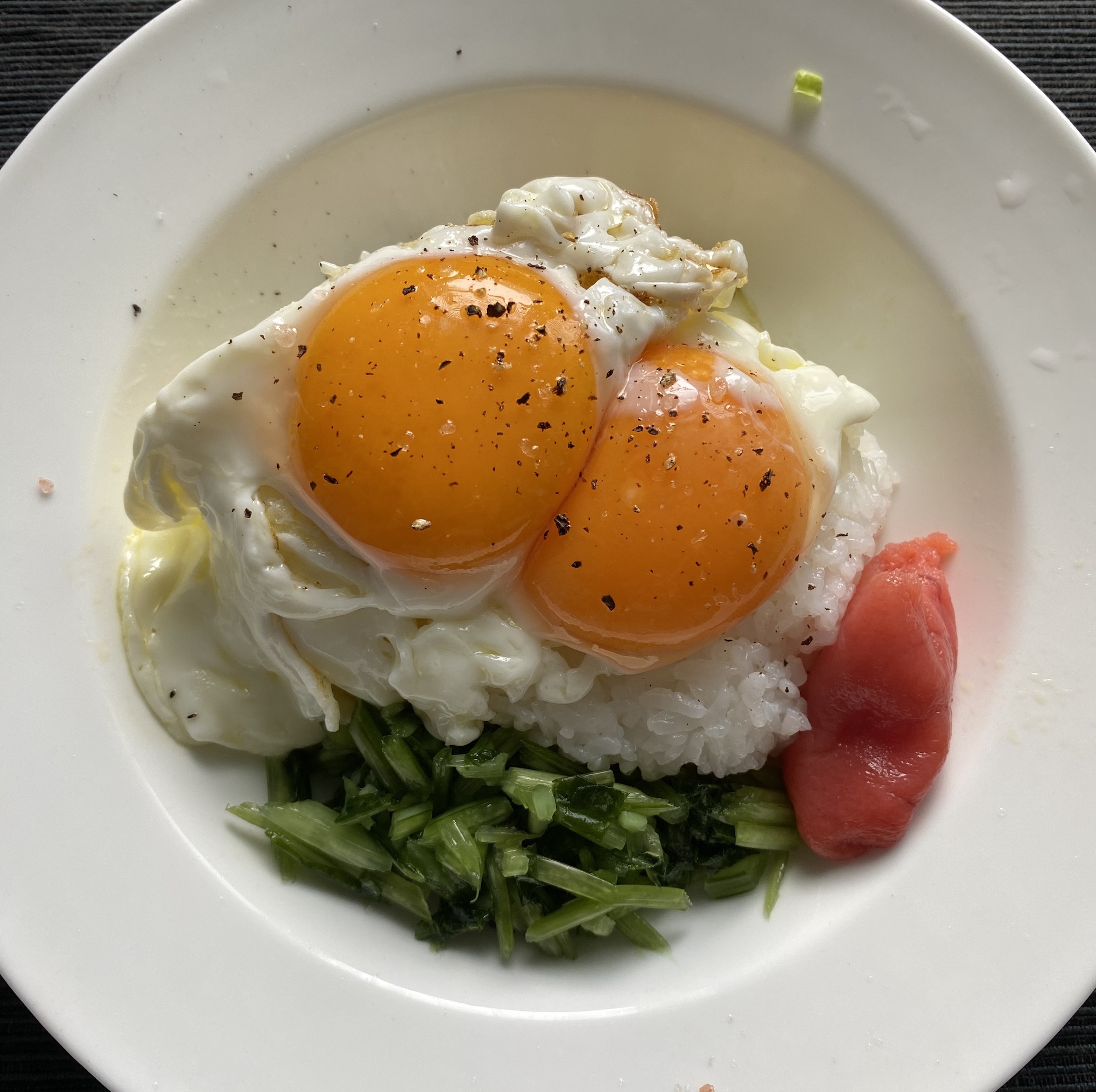
The recluse lived and ate simply, growing fruits and vegetables in his garden and fishing or hunting the rivers and forests in the vicinity for his meat. Occasionally, he would descend into the nearby village to procure other provisions, like ink and paper, cleaning materials or wine. If he retired with his beloved, they would both share the responsibility of tending to the garden and to the house, spending all of their time together in an apparently hermetically-sealed bubble of privacy.
The goal of seclusion was not only to live simply and responsibly, however; but also to cultivate the mind. A recluse was known as a 居士 (ju1 shi4), quite literally meaning “an educated home-maker.” Other than tending to domestic chores, his or her day was meant to be spent honing skills in the four noble activities of music, chess, calligraphy and painting 琴棋书画 (qin2 qi2 shu1 hua4); and in sharpening his or her wit and elocution.
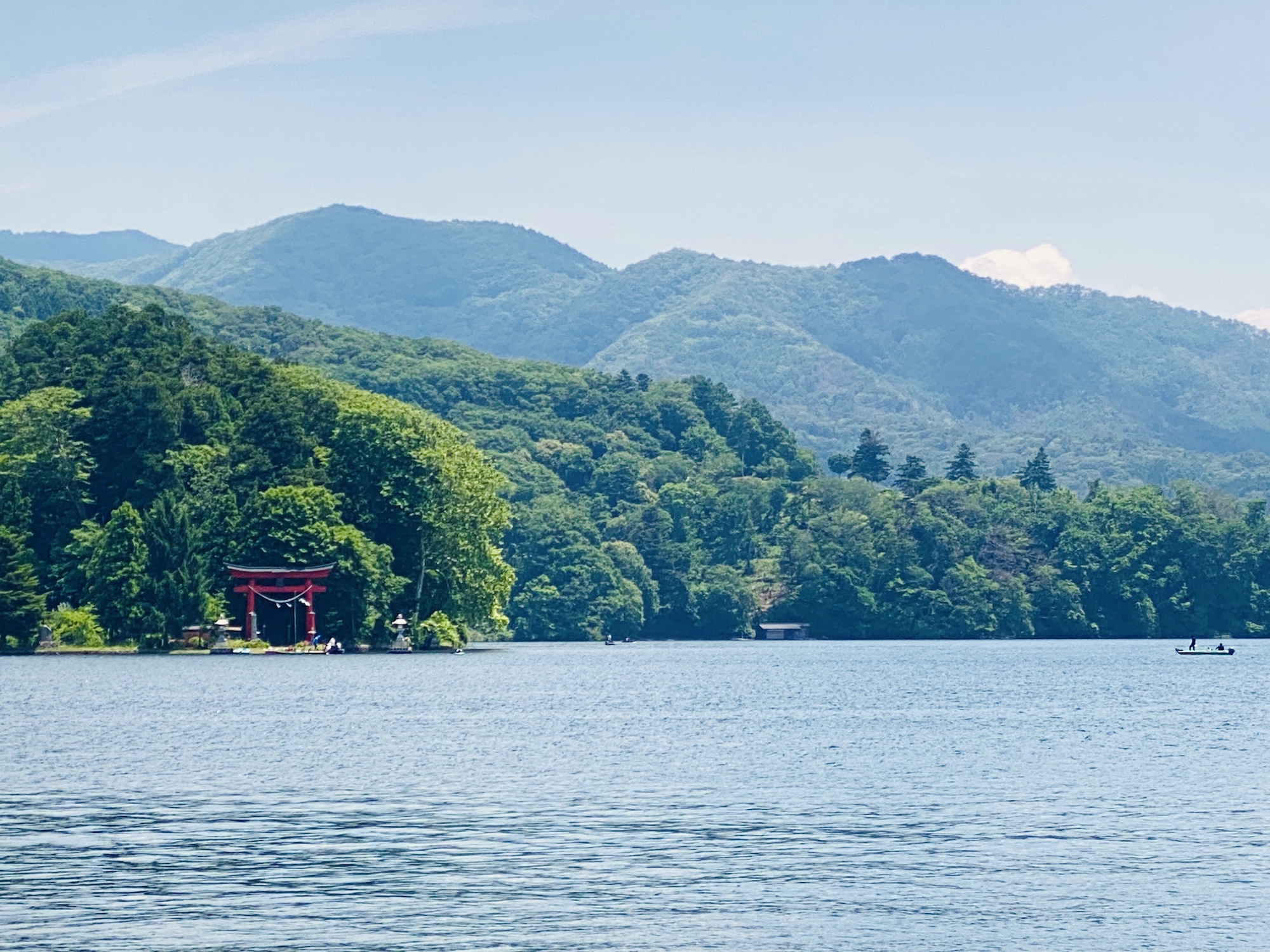
Inspiration was to be derived as much through meditation and reflection, as through the contemplation and appreciation of nature and the four seasons. On cool spring evenings, the recluse and his beloved would sit quietly at their low table set strategically by the window, savouring the subtle fragrance of a keg of light rice wine 酒, while devising couplets to the sound of leaves rustling in the wind.
To visualise how peaceful and idyllic this (almost) solitary existence could have been, one has only to turn to the many pieces of Chinese landscape painting that hang in the world’s major museums.
The most stunning pieces of work depict lush cypress forests and epic mountain ranges, within which the artist has secreted a tiny and innocuous bamboo hut. Within the hut is the barely-visible figure of the recluse-poet, standing enraptured as he takes in the breathtaking scenery before him. There is nobody else for thousands of miles. The landscape is as still and pristine as the simple brushstrokes that capture it on paper.
* * *
唐 王维 《竹里馆》
A Pavilion in the Bamboo Grove, Wang Wei, Tang Dynasty
独坐幽篁里,弹琴复长啸。
深林人不知,明月来相照。
Sitting alone in a deserted bamboo grove,
I strum the qin (zither) and sigh long and loud.
The grove runs so deep that no one may find me here,
I have only the moon to accompany me.
[My translation]
Wang Wei, the author of the poem above, was one of the Big Three Tang Dynasty poets, alongside Li Bai 李白 and Du Fu 杜甫.
Li Bai is one of the best-known of Chinese poets, having been famously translated and introduced to Europe by 19th century Victorian and German poets. He was a free-spirited wanderer, an exile from the Tang court, who wrote stirring and majestic odes to nature, to his life in exile, and against the corruption of the Tang Court.
Du Fu, much less known outside of the Chinese-speaking world, was a poet-historian and also somewhat of a poet-journalist. He wrote about major historical and current events, particularly war and the horrors that accompany war. His work was heavy, tragic, didactic stuff.
Wang Wei was the quintessential poet-recluse, who wrote almost unfailingly about nature, the countryside, and the poet’s place in the world. He was a staunch Buddhist and a long-time widower. His work was frequently stark, contemplative, with a level of frankness and simplicity that was radical for its time.
If Li Bai’s work was a fiery glass of red wine, and Du Fu’s a hearty pint of ale, Wang Wei’s would be a bottle of clear, sparkling spring water.
Besides being an accomplished poet, Wang was also a celebrated landscape painter. His works speak to the saying “诗中有画,画中有诗” – there is painting in his poetry, and poetry in his painting.
The composition of the poem, ‘A Pavilion in the Bamboo Grove’, obeys a few fundamental principles of landscape painting.
Firstly, that the landscape dwarfs but never overwhelms the figure within it. In the poem, the poet-recluse is sequestered within a vast and deep grove of bamboo that no outside person may breach; yet a break in the canopy allows moonlight from the full moon high up in the heavens to illumine the very spot where the poet-recluse, a tiny figure in the landscape, is strumming his qin.
Secondly, that there be stillness in the tension, and tension in the stillness. The landscape around the poet is dead still – no breeze or intruding bodies ruffle the leaves of the bamboo; no lake breaks up the light of the moon into waves and ripples. Within this stillness, the poet-recluse sits uneasily, his mind troubled, his heart anxious. Despite the splendour of solitude, he yearns to be back in the world he’d earlier left.
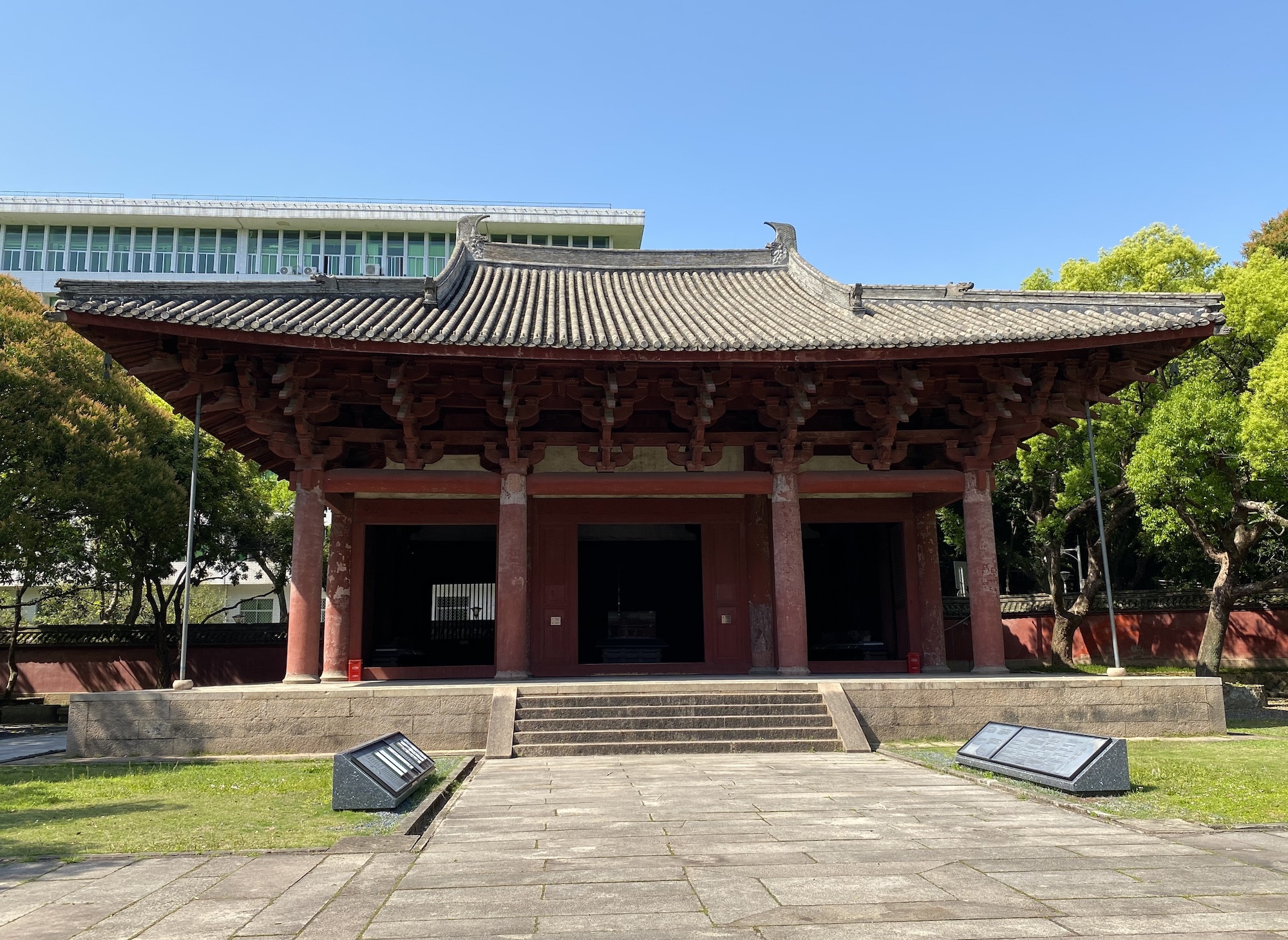
人在江湖,身不由己 - In the world of men and politics, one’s hands are inevitably tied. An early career in the civil service would prove to be unpredictable and unfulfilling for Wang, seeing him fill increasingly minor positions in far-flung provinces of China.
In his late thirties, he quit a dead-end post in the frontier, and returned, jobless and dejected, to the Tang capital of Chang’an 长安. The next two to three years of unemployment would prove to be a turning point for him artistically and spiritually. He spent these years exploring the countryside around Chang’an, painting tableaus of mountains and streams that would make his name.
During this period, he also met the poet Pei Di 裴迪, who would influence his literary style and eventually become a close friend and collaborator of his. Some believe he was much more than just close friend and collaborator.
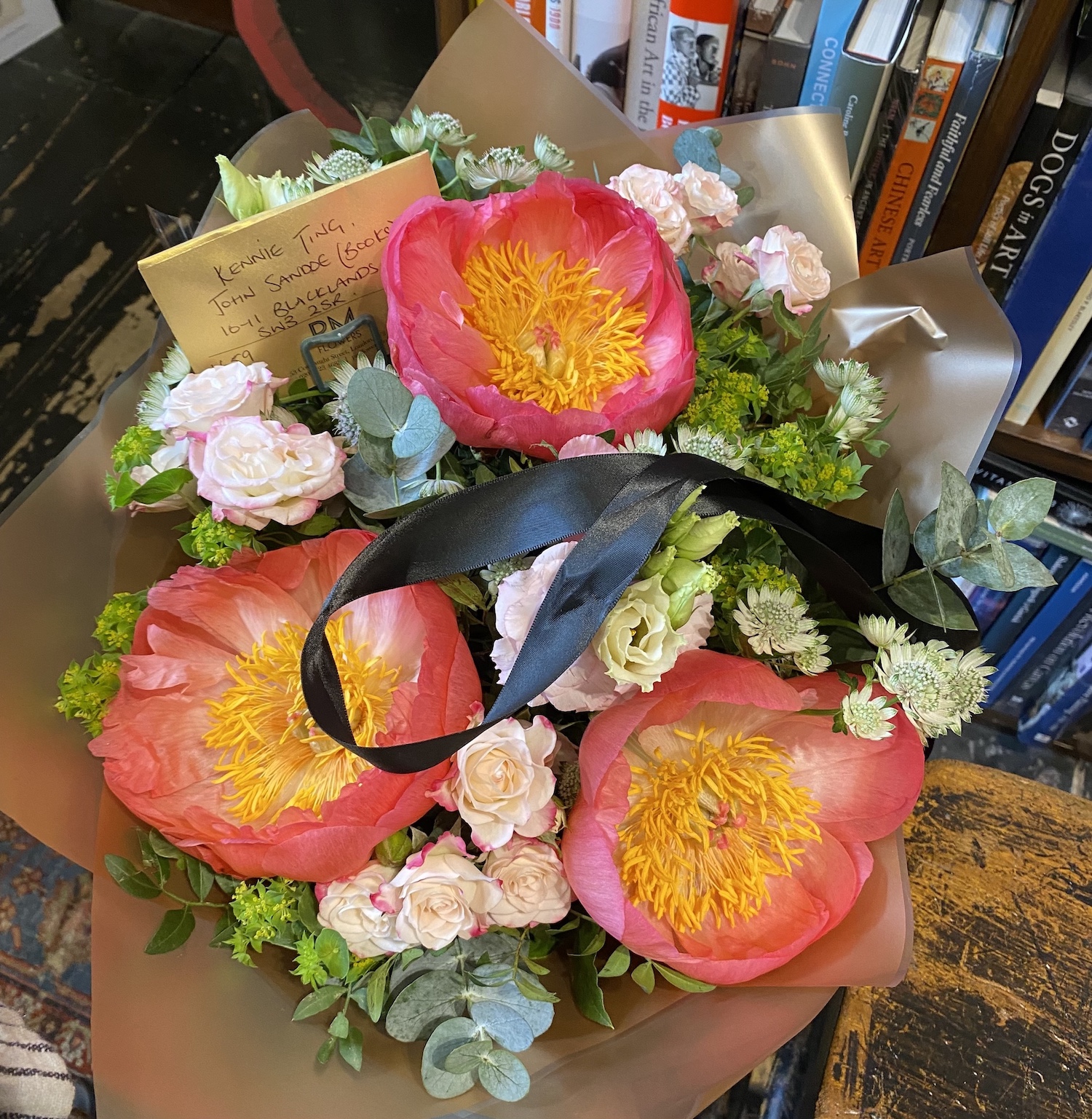
In the mid-700s, when Wang was in his early forties, he was opportunely offered a government position close to Chang’an, which he took up. Determined not to forego a lifestyle and routine he had cultivated in the countryside, he purchased, with his civil servant’s salary and the proceeds from his artwork, a large countryside estate by the Wang River 辋川, at the foot of the Zhongnan Mountains, on the outskirts of the Tang capital.
For the next decade and a half, he would lead the comfortable life of a part-official, part-recluse 半官半隐 – commuting between his country estate by the Wang River and the Tang Capital to fulfill his official duties, and spending the rest of his time painting and writing poetry in the company of other visiting poets and scholars.
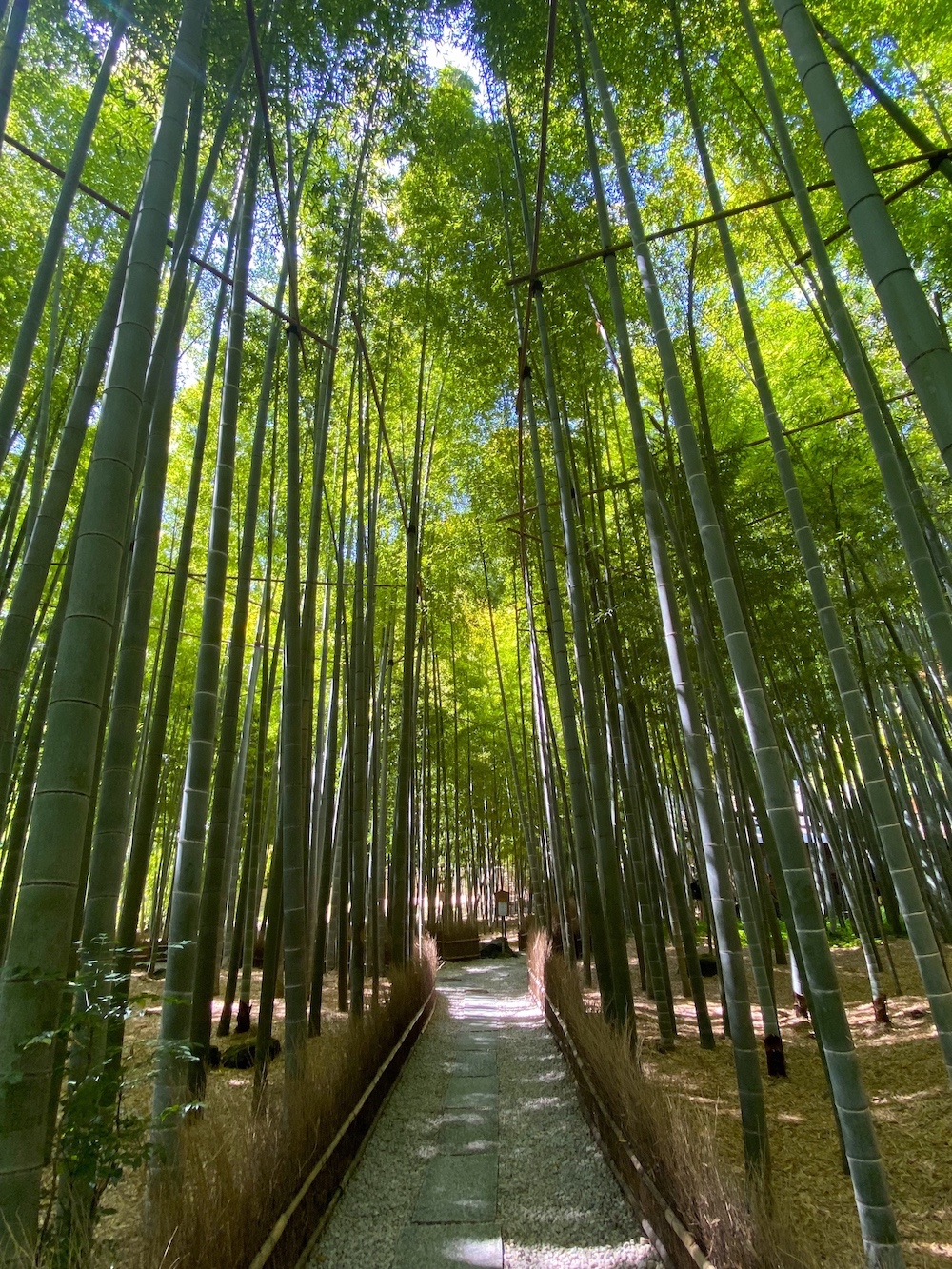
The most important of these poets was his old acquaintance Pei Di, whom Wang invited to live with him one summer at his estate. The two like-minded souls retreated into the stillness of the bamboo groves by the Wang River, where, over the course of a fruitful collaboration, they produced one of the finest and most celebrated collections of landscape poetry – the Wang River Collection 《辋川集》.
In this collection, Wang Wei composes a series of twenty short poems inspired by the scenery around the Wang River. Pei Di, on his part, concurrently pens an accompanying poem in response to each of Wang’s twenty.
An Estate in a Bamboo Grove is one of the coupled poems in this collection, and it has always amazed me how, despite being more than a thousand years old, the sentiment it conveys is so immediate.
Pei Di’s companion piece, bearing the same name, is equally poignant, using a description of the estate’s remoteness to comment on the futile nature of materialistic pursuit.
唐 裴迪 《竹里馆》
A Pavilion in the Bamboo Grove, Pei Di, Tang Dynasty
来过竹里馆,日与道相亲。
出入唯山鸟,幽深无世人。
I have been to the pavilion in the bamboo grove
Where the sun embraces the lowly path (Tao).
Only mountain birds enter and leave this place
There are no worldly men in these remote parts.
[My translation]
* * *
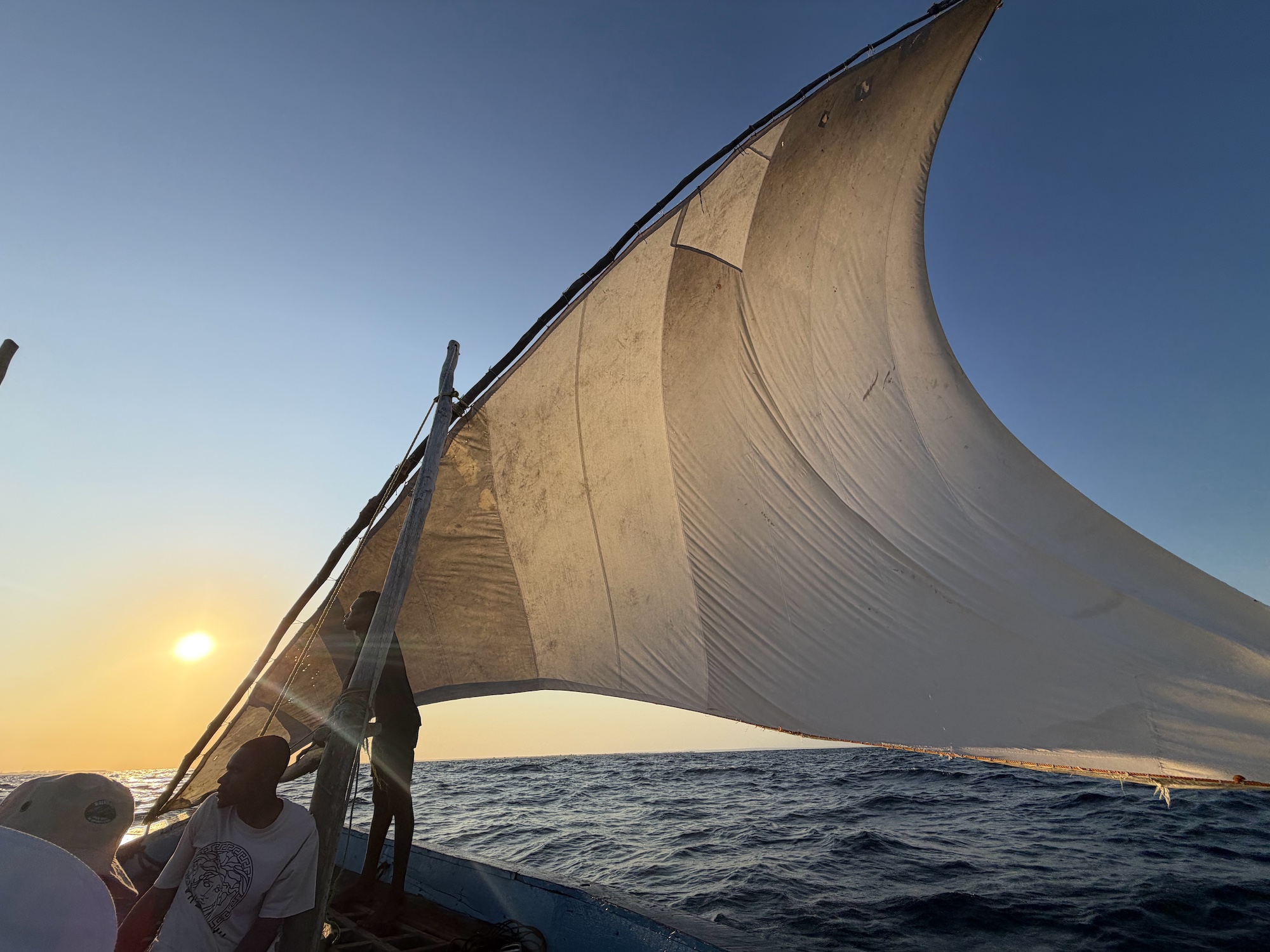
At the risk of sounding peskily pretentious, I’ve tried to follow in the footsteps of the Tang poets these past two years, retreating with the intent to cultivate mind, body and spirit. This inordinate amount of time spent on my own allowed me to accomplish loads.
First off, to fulfill my dream of writing a novel. Yes, I thought I finished it more than a year ago. But a series of rejections by literary agents, and useful feedback from friends and neighbours, have spurred me on to make (yet) another round of major edits these past six months.
I’m very, very, very close to finalising this version of the manuscript. The plan is to send the MS to publishers in Singapore, and then leave things to fate. If the book gets picked up, hurrah! If it doesn’t, I return to non-fiction writing.
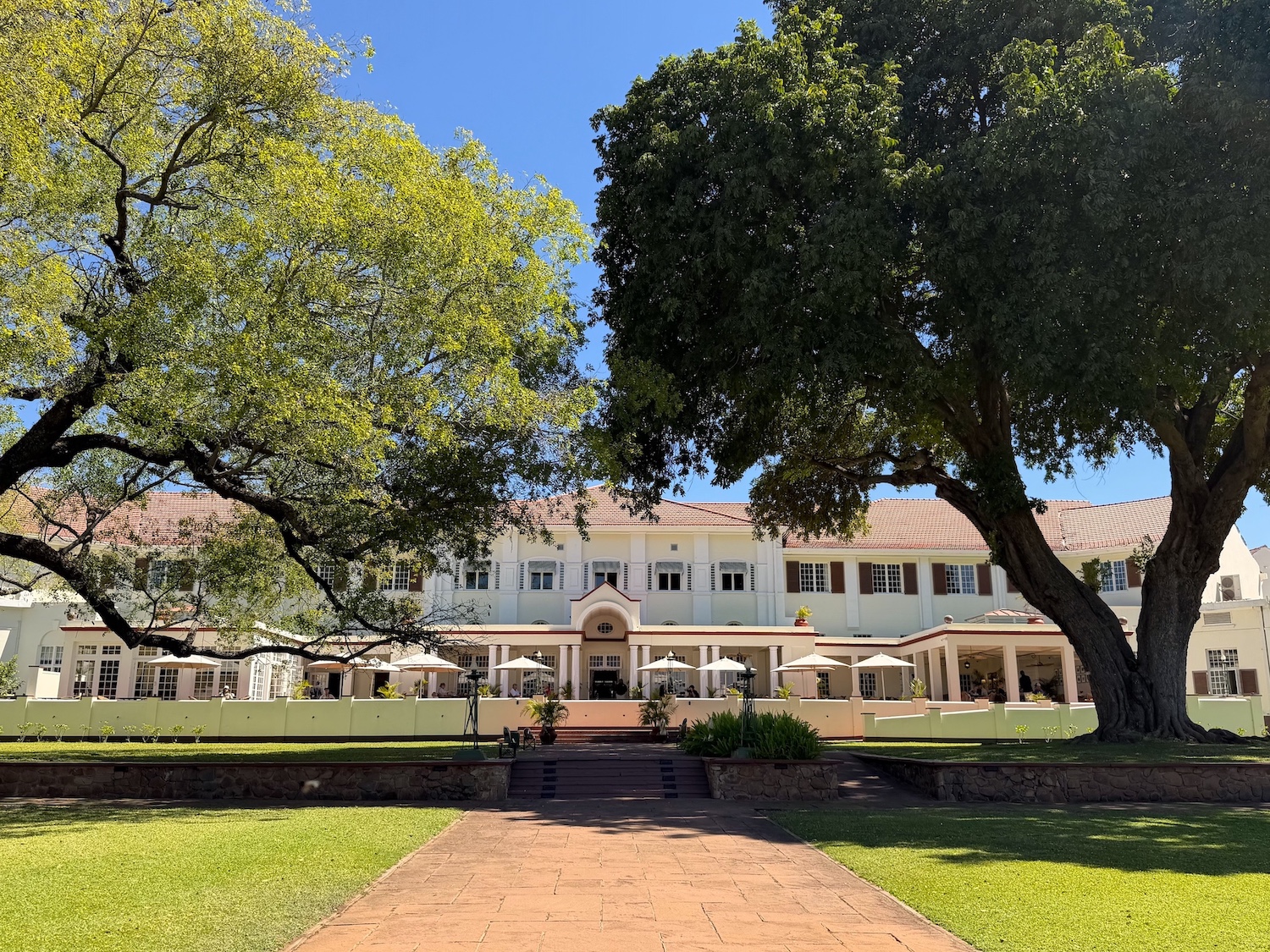
The second thing I’ve done this past year is travel extensively.
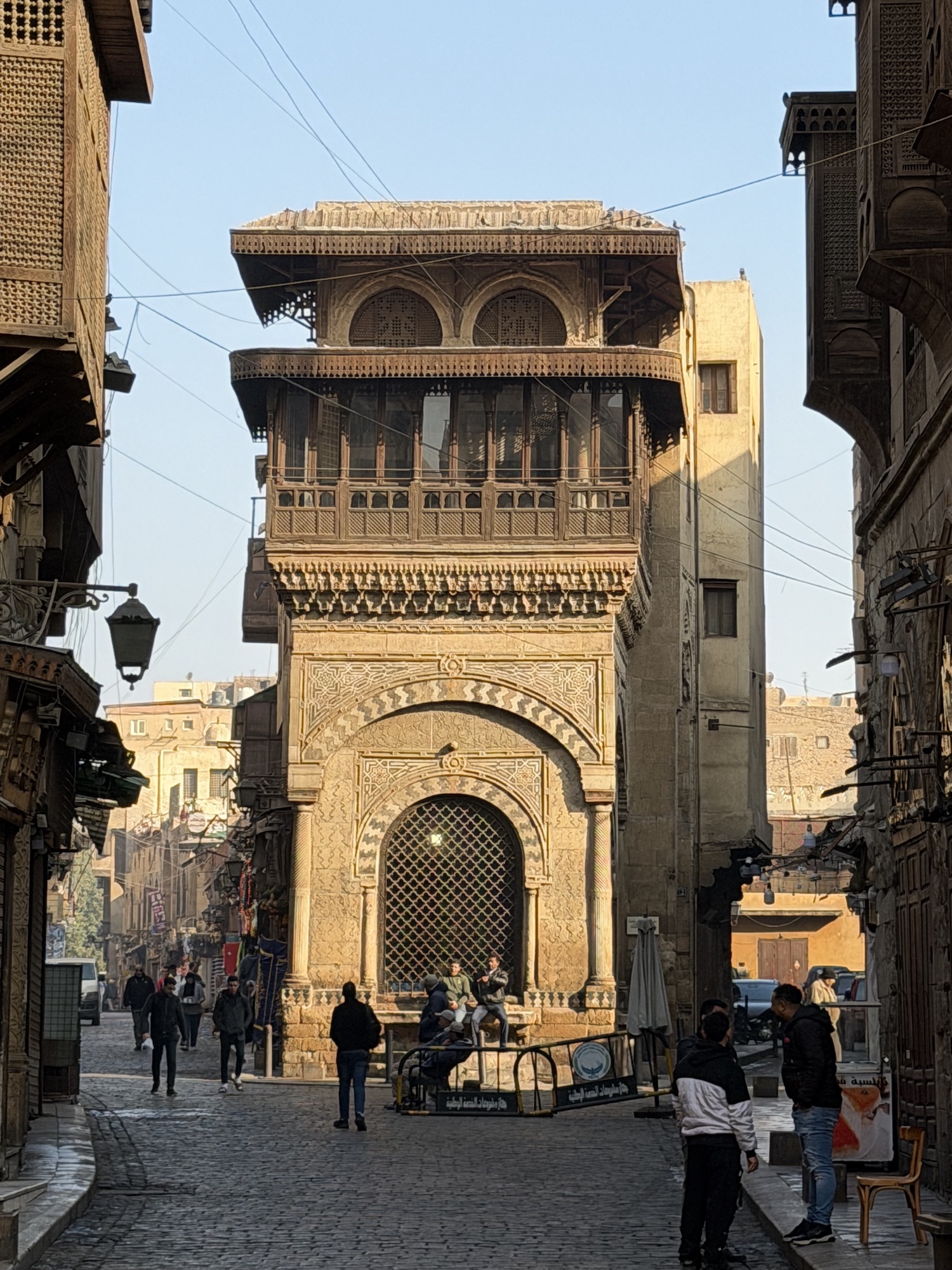
I love travel. I see myself as an itinerant wanderer. A xiake 侠客, if you will – one of the sword-wielding pugilists that appear in the pages of Jin Yong’s sword-fighting novels.
My heart is bursting with wanderlust. I may not be pinned down. Nothing makes me feel more alive than taking off to far-flung corners of the globe, to wander the streets of old towns and historic cities with camera in place of sword, on the hunt for beauty and serendipity in turn.
If I’m forced to stand still for long tracts of time, I fall ill. I come down with all sorts of inexplicable ailments. I was ill for almost all of May because I’d been somewhat trapped in Singapore, unable to travel for a few months because of circumstance.
Yes, I know what you’re thinking. How does incessant travel square off with being a recluse; particularly as the latter involves staying resolutely secluded and in ONE place?
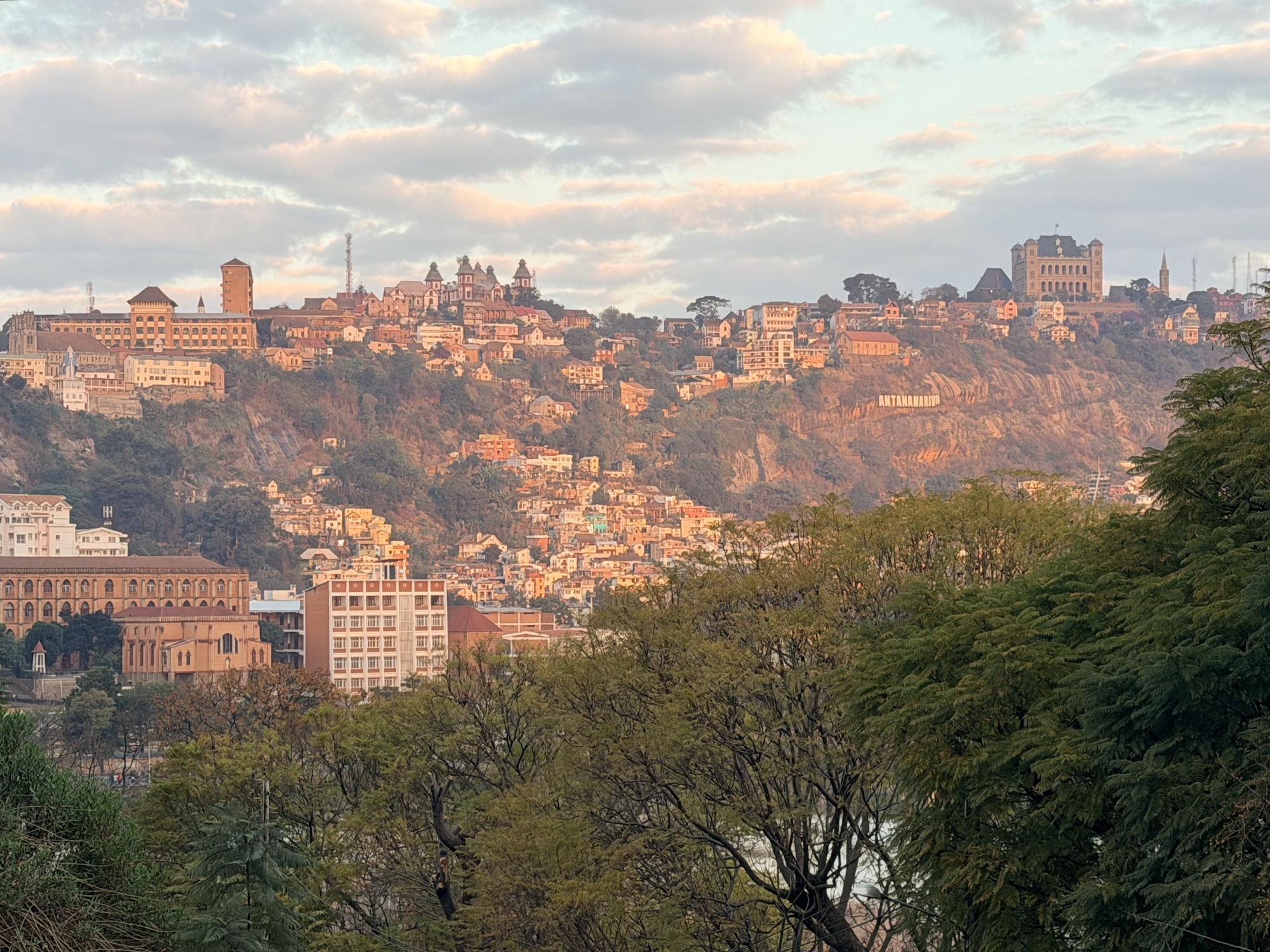
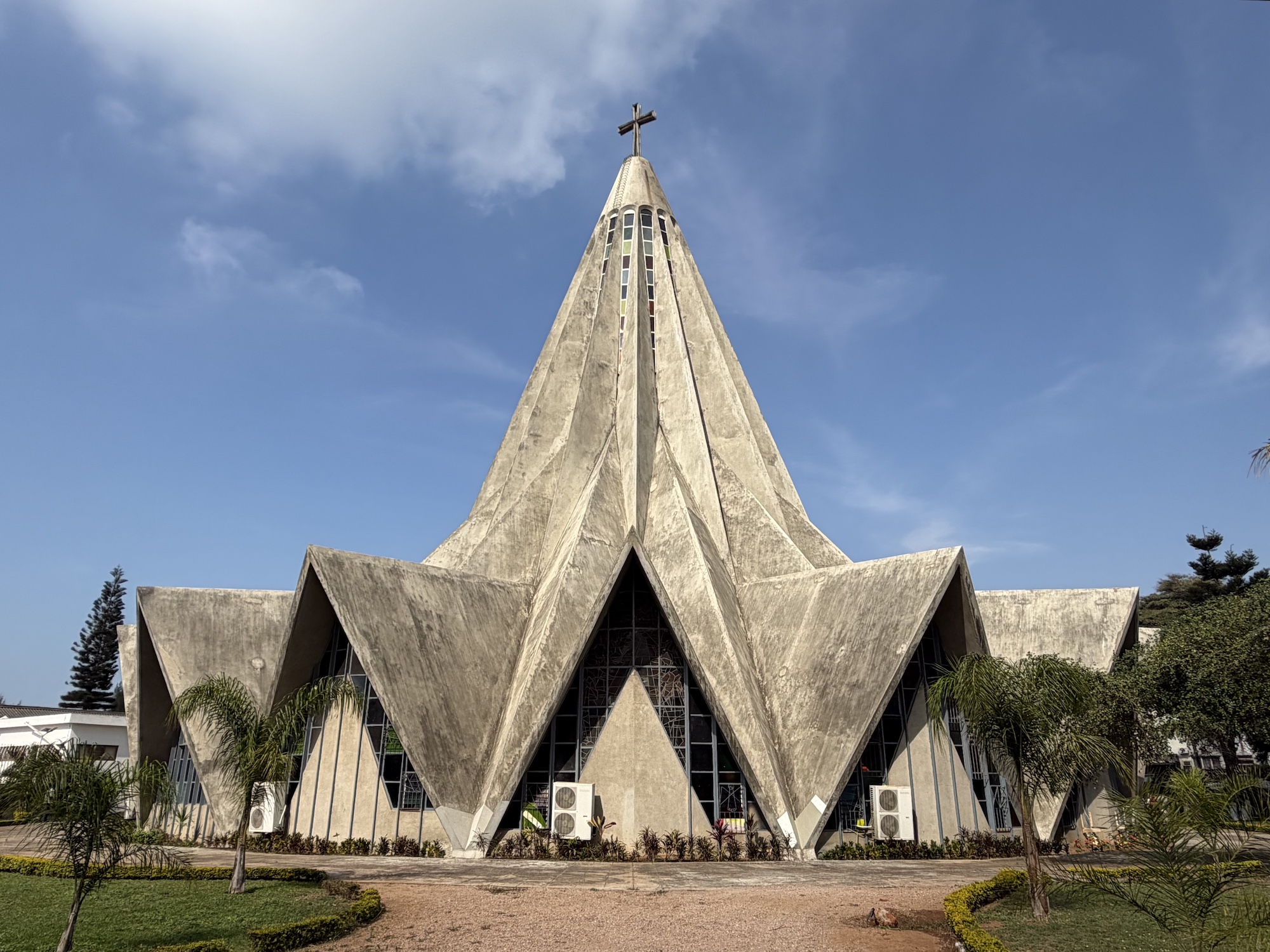
The fact is, I enjoy, and indeed, I mostly travel, on my own. I often chafe when I’m travelling with other people. Unless, of course, they are lovers and old friends with whom I‘m perfectly comfortable, or like-minded individuals with wandering hearts and insane dispositions like my own. I never do group tours.
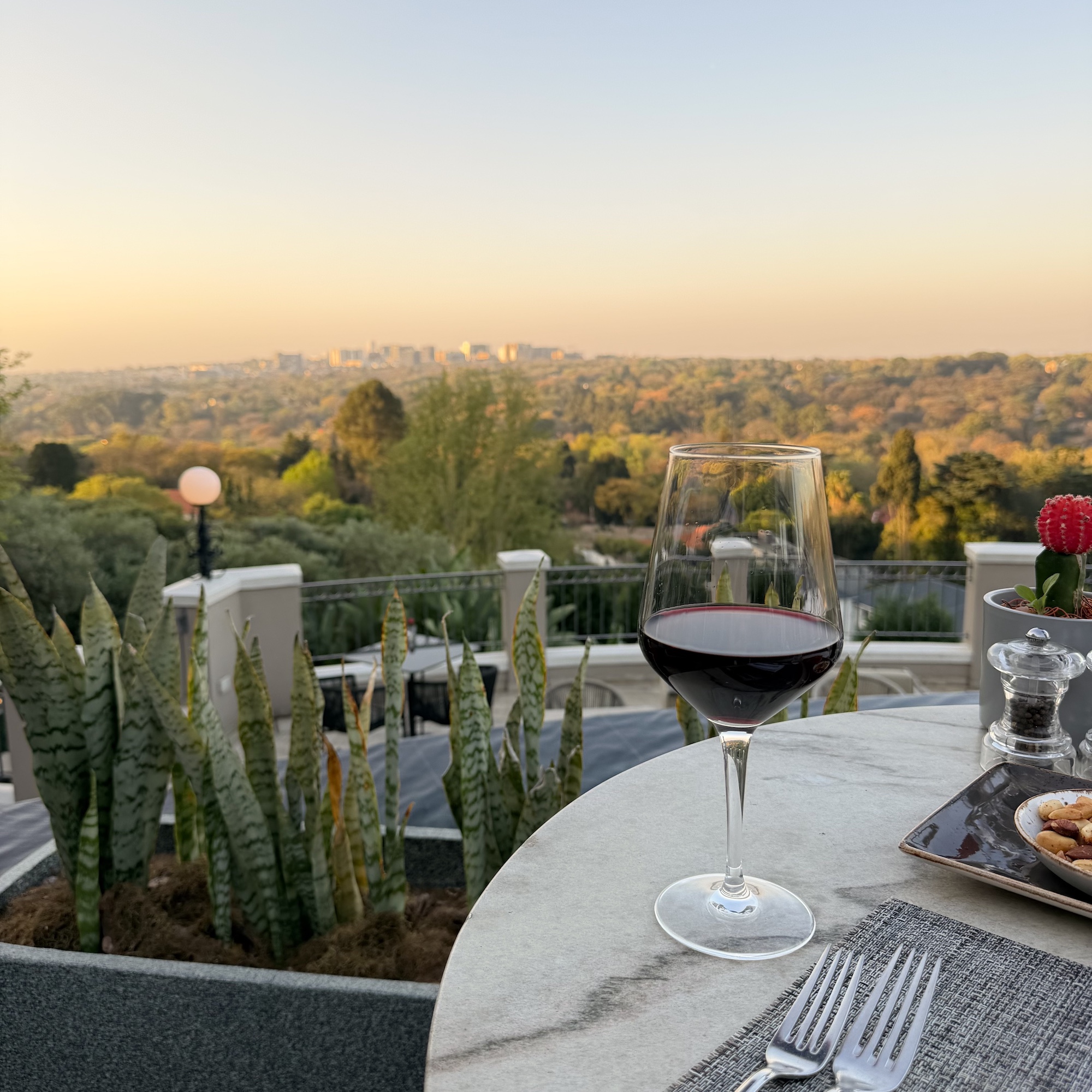
I like nothing more than being ensconced in the corner of a hotel lounge or a hotel bar, a glass of wine in my hand, reading a book, or tapping away at my laptop (as I’m doing now). Sometimes, I strike a conversation with the bartender or whoever happens to be at the next table. Most often than not, I keep my distance.
In that way, travel becomes a form of retreat; and I am that solitary figure, the mysterious recluse, who brings his metaphorical hut with him, everywhere he goes.
沧海一声笑,滔滔两岸潮
Oh, let me laugh at the vastness of the ocean; as its tides surge upon the lonely shores separating you and I.
* * *
While I prefer solitude, I have come to enjoy company very much.
These past two years, I’ve taken the opportunity to catch-up with old friends whom I’d sorely neglected the whole time I was working. Because I was always working, I inadvertently regarded those who surrounded me at work as friends and family. Some of them have remained friends, and even close friends – and I love them for that.
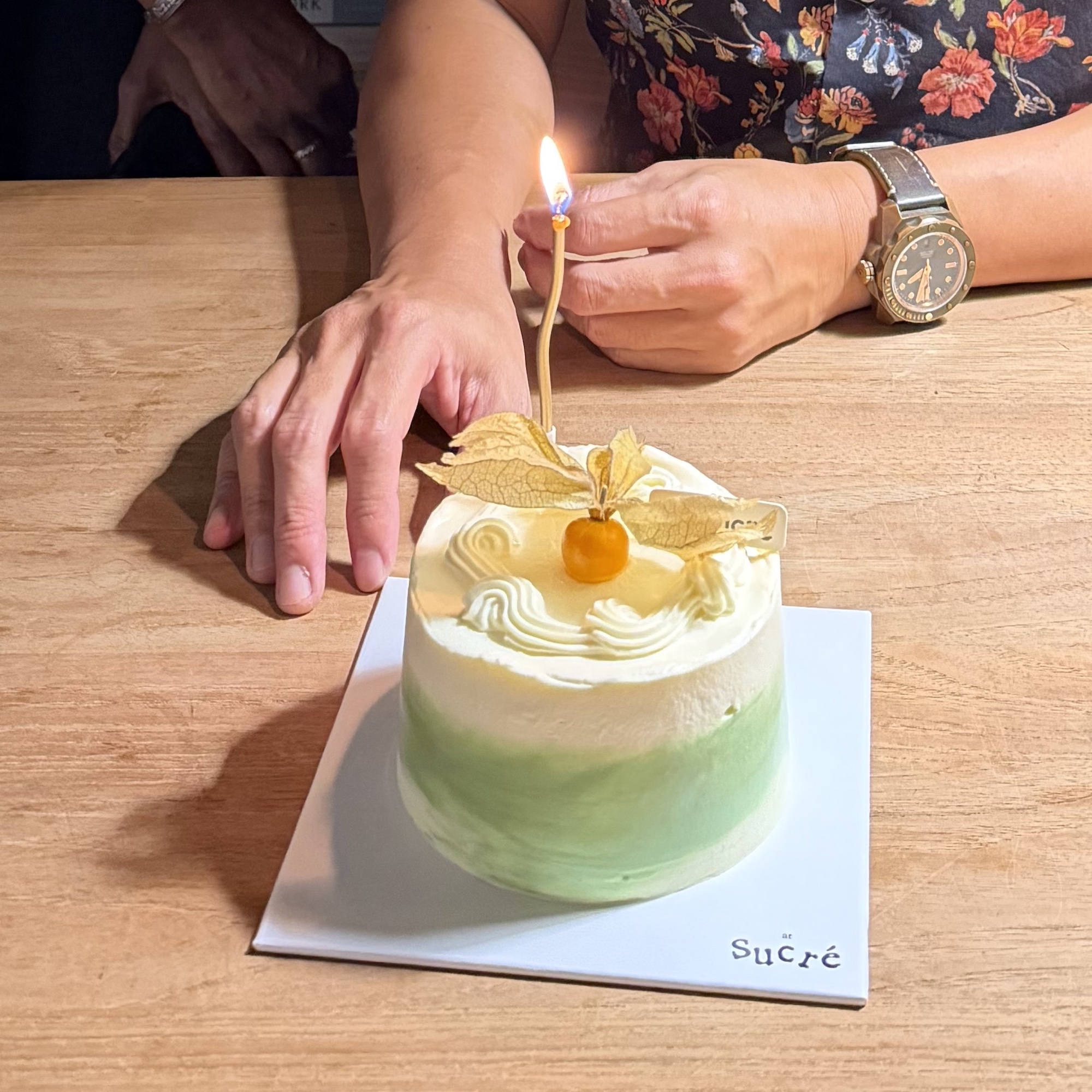
I’ve also made new friends who, right from the start, saw through the façade of me to what lay underneath, and accommodated me immediately and completely. Spending more time with them has helped me better see me for who I am.
I’d always pegged my worth to a title. It’s a very puritan, workaholic, Singaporean sort of thing to do.
I’ve since learnt that there’s intrinsic value in me. That Kennie Ting is something unique and special. It has meaning. It is a desirable brand with specific brand essences. It comes with an accompanying set of values, experiences and skills.
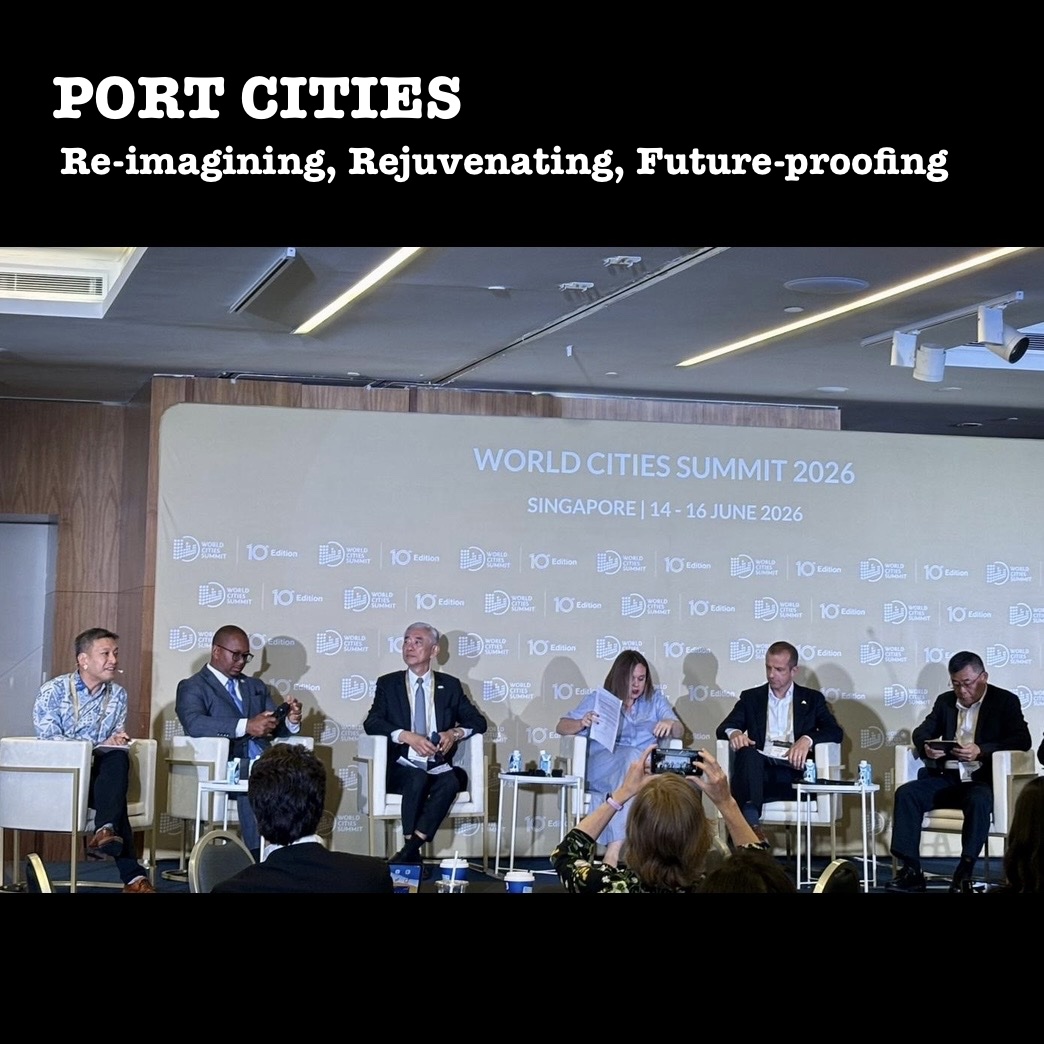
The professional me is just a part of the larger, holistic me; and that me is fascinating in its own right. Other peers and professionals in the scene have helped me see my own intrinsic value more clearly these past few months as I slowly re-emerge from seclusion. I thank them all for their confidence.
Because that’s helped me feel more confident in my own skin. I’ve had to remind myself that I’ve achieved so much very quickly, very young, and against much odds; and that I ought to acknowledge and be proud of the impact I’ve had. I’ve told myself that wherever I go to next, it should be quite easy for me to slide assuredly into the valuable skills, professional expertise and experience that (I know) I have.
Yeah, I got this – so I say to myself. I’ll be fine. Wherever I am.
But I shouldn’t let achievement be the only driving motivation in this next phase of my life and career. I should walk the Confucian path of moderation (zhong1 yong1 中庸). I must remember to balance work with creative pursuits, travel/adventure, family and friends.

Time spent in the company of friends affords two kinds of joy.
There’s a quiet, contemplative joy.
I’ve learnt to be comfortable sitting in silence when I’m with friends. I listen intently to what everyone else is saying, contributing a comment or two when appropriate or when asked. If I’m not asked, all the better. Then I just soak in the event – birthday party, child’s birthday party, dinner party, random catch-up, etc – like a sponge, experiencing a fullness and a warmth inside, and generally feeling at peace.
I’ve come to look forward to simple lunches, dinners, coffees and catch-ups, with no goal in mind other than the company itself. Time passes slowly in the midst of conversation. I lose track of time. I lose track of what day it is. I don’t want the lunch or dinner to end. I speak and respond with greater deliberation and at a much slower pace. I smile and my eyes twinkle.
There’s also an exuberant, unfettered sort of joy.
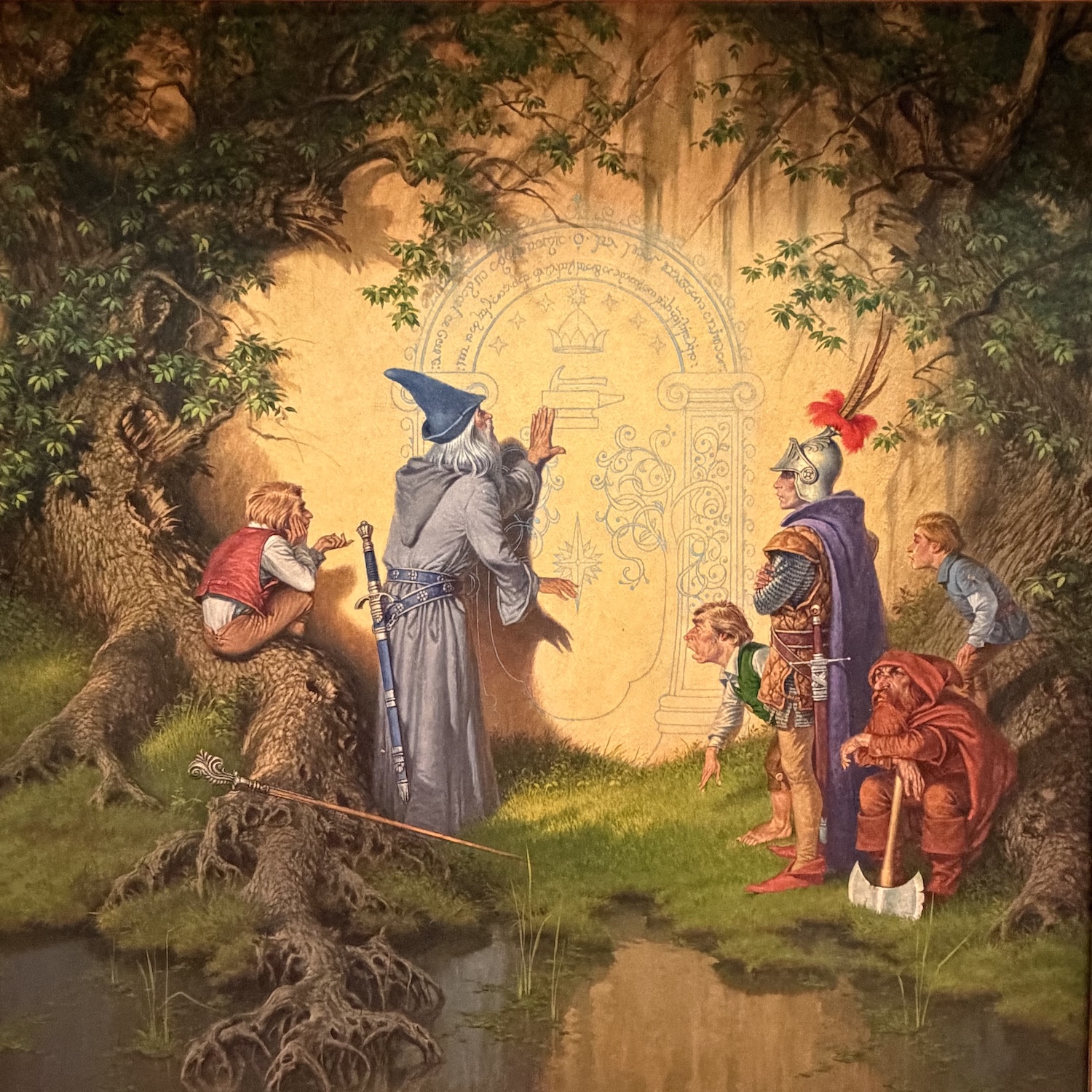
In the right company, I find myself regressing to a mischievous, child-like version of myself. I giggle, guffaw and tease. I crack silly jokes at my own expense. Burst spontaneously into song and dance. I become the person I am, which I’ve always felt I had to conceal.
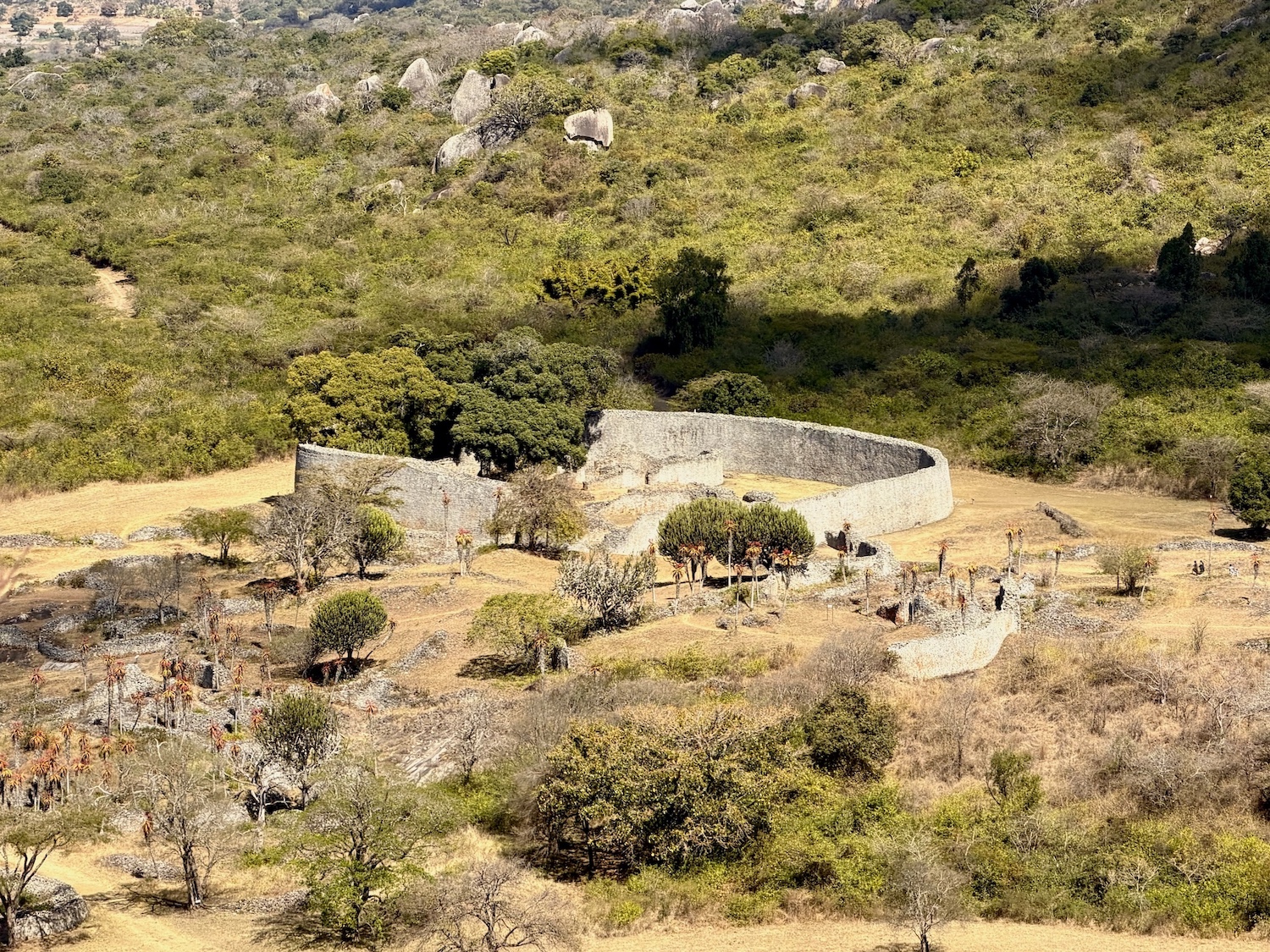
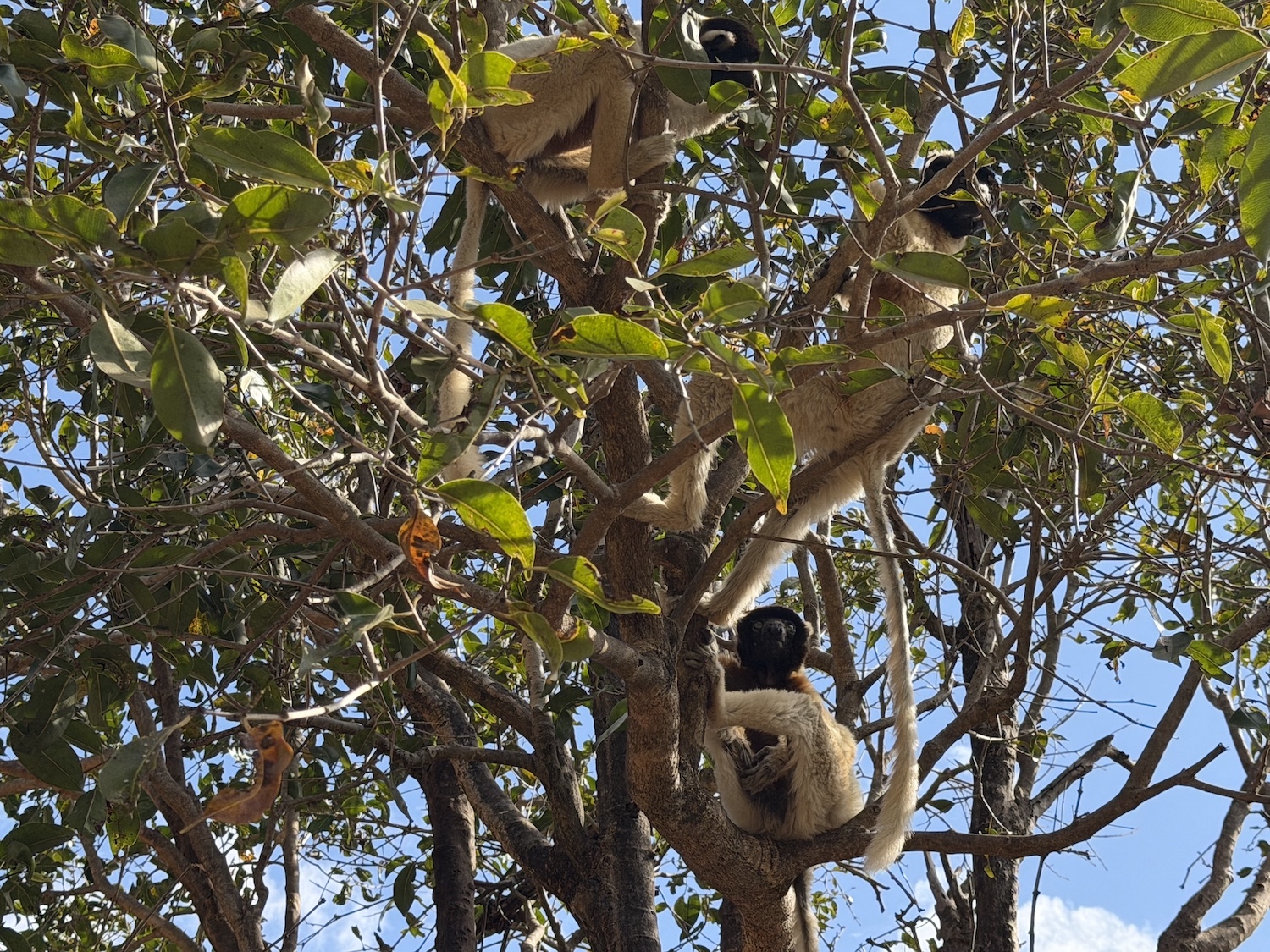
To my surprise, I agreed to travel with a few friends this time, on Part II of my Grand Tour of the East African coast (to Madagascar, Mozambique, Zimbabwe and South Africa). It was the very first time I’d ever travelled with anyone on one of my Grand Tour jaunts, where the goal is to walk intrepidly across cities and take photographs of historic buildings. I consider these work trips, of sorts, and I hate being distracted when I’m on them… generally.
But then… It was such a laugh being in the company of friends who were like-minded, and didn’t flinch at all being in your company, even when you insisted on doing five million architecture tours that got everyone trailing breathlessly in your eager footsteps; or got up to giddy antics like channelling Evita every time we encountered a balcony, or pirouetting dizzily across the (empty) restaurant at dinner.
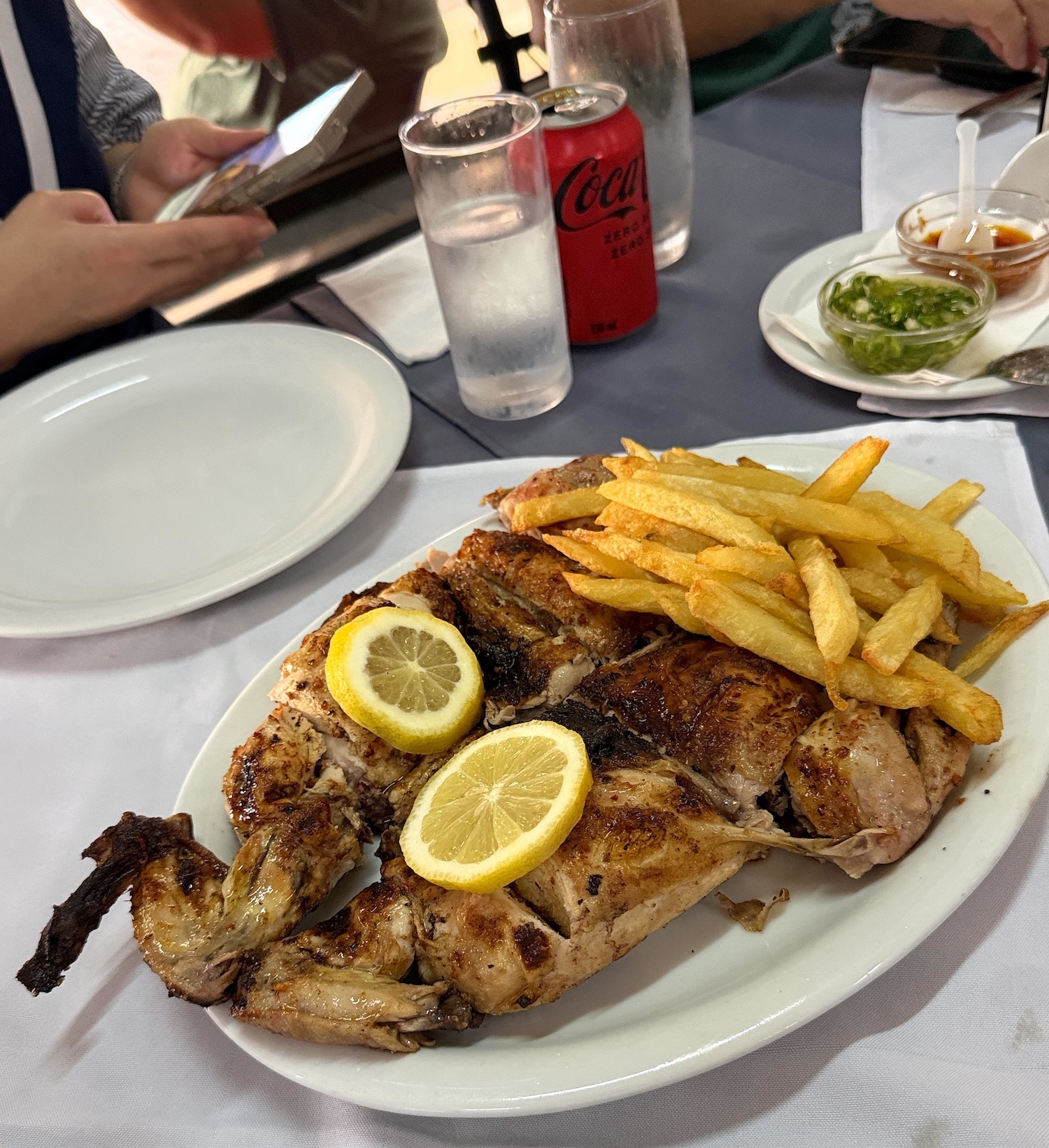
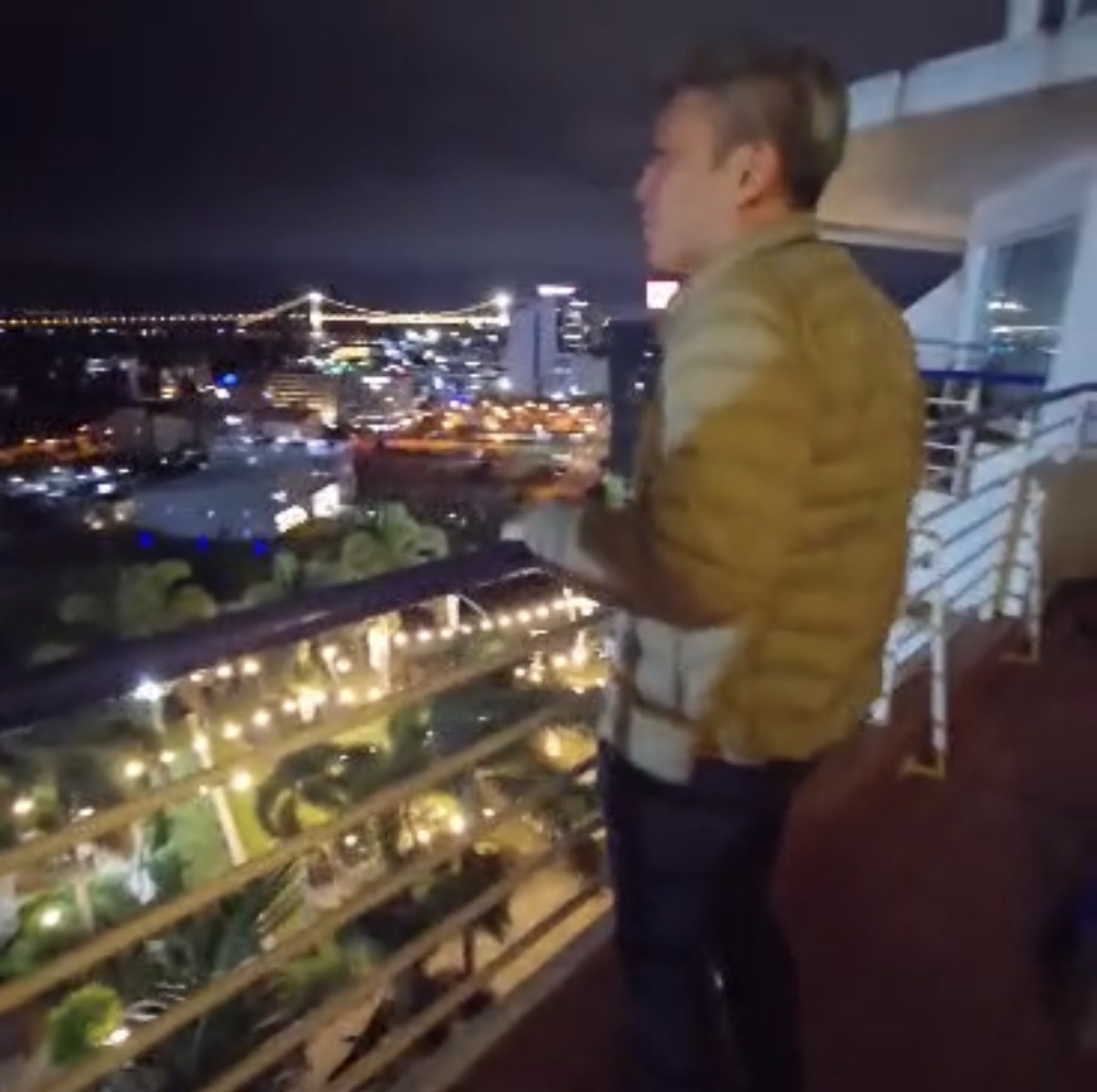
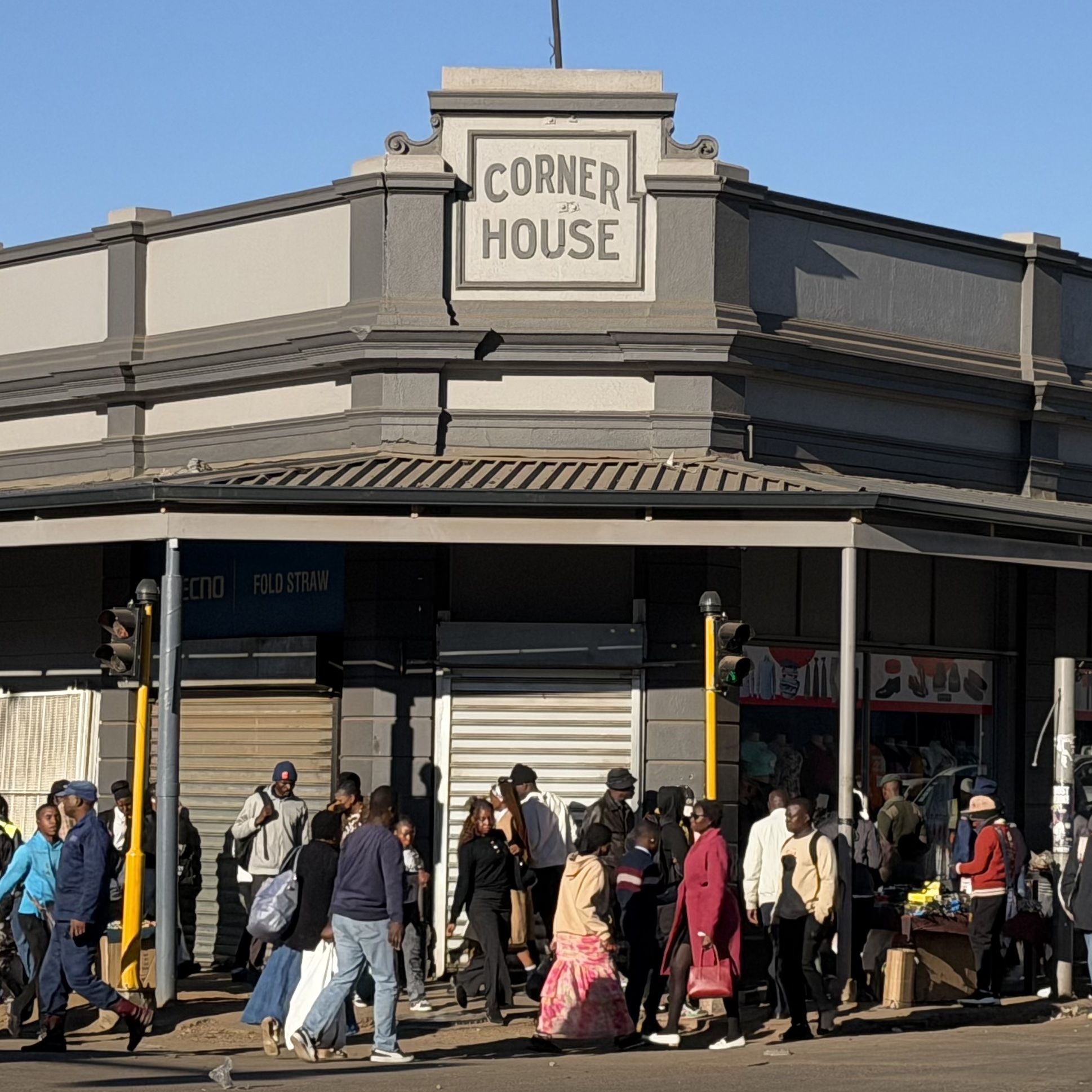
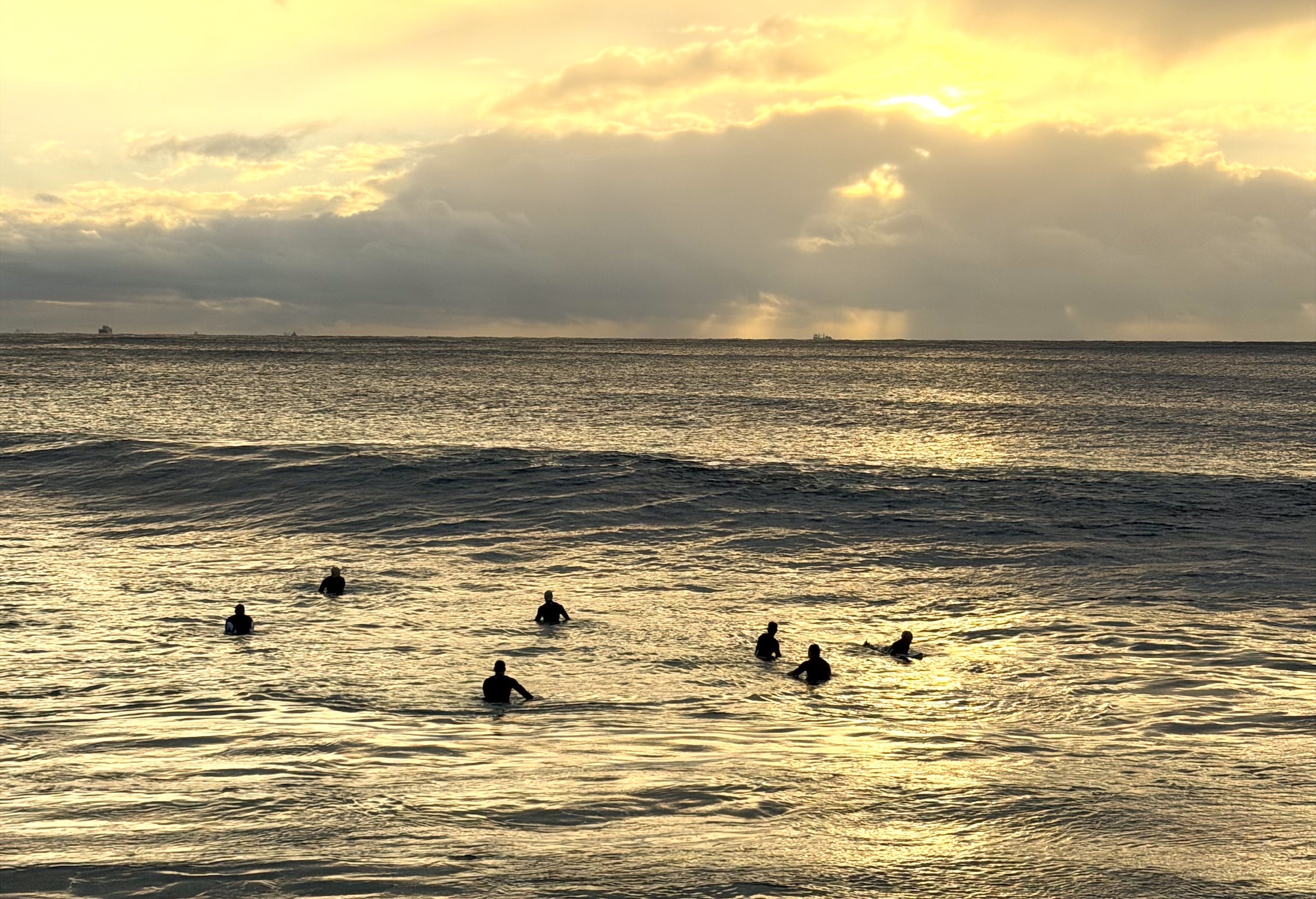
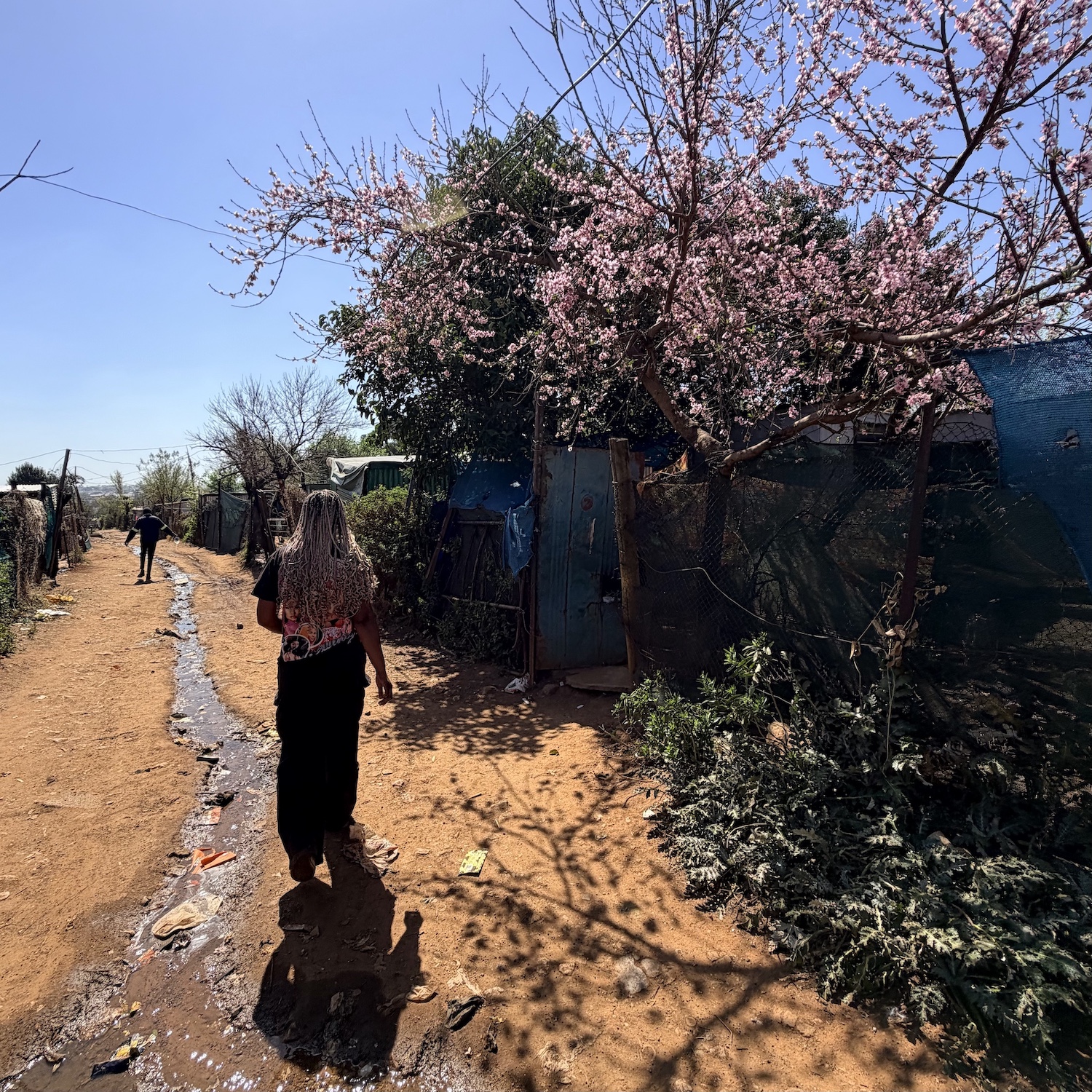
I enjoyed the company so much those 2 weeks (of travelling with someone) that when I suddenly found myself alone mid-trip, I was struck with pangs of loneliness. For a few nights, I was inconsolable. I really missed the company. I finally got on with it when I arrived in Harare where, hours spent on my own exploring the city streets made me forget my own solitude.
Travel sets you free. You’re outside the normal constraints of society, and so you needn’t behave as you usually do. On my own, I can be whoever I want. What a joy it is to travel with friends who play along!! Who encourage you to be your authentic, batshit-crazy, flower-bird self and love you for it!
This won’t be the last time I travel in a (small) group, I think.
* * *
There’ve also been shifts on the family front these past two years.
I’ve come to understand that my driving motivation; that which I feel to be the most important thing in the world, is FAMILY. But not in the obvious sense of the term. My relationship with family is complex. That has shaped my relationship with other people and the world at large.
Childhood, as I remember it, was broadly defined by fear, loneliness and a sense of being infinitely unworthy. Home, for me, was associated with feelings of uncertainty and disappointment, frequent moments of deep melancholy as young as when I was 6 years old, and pain from treading on too many eggshells, trying to avoid random punishment.
The upshot of home being an un-home is that I don’t feel safe most of the time. One of the reasons I escape to far-flung places is because I feel so much less anxious when no one knows me, and thus there are no expectations of me. I don’t need to worry about being the good boy, or being infinitely responsible for everything. I just do whatever I want.
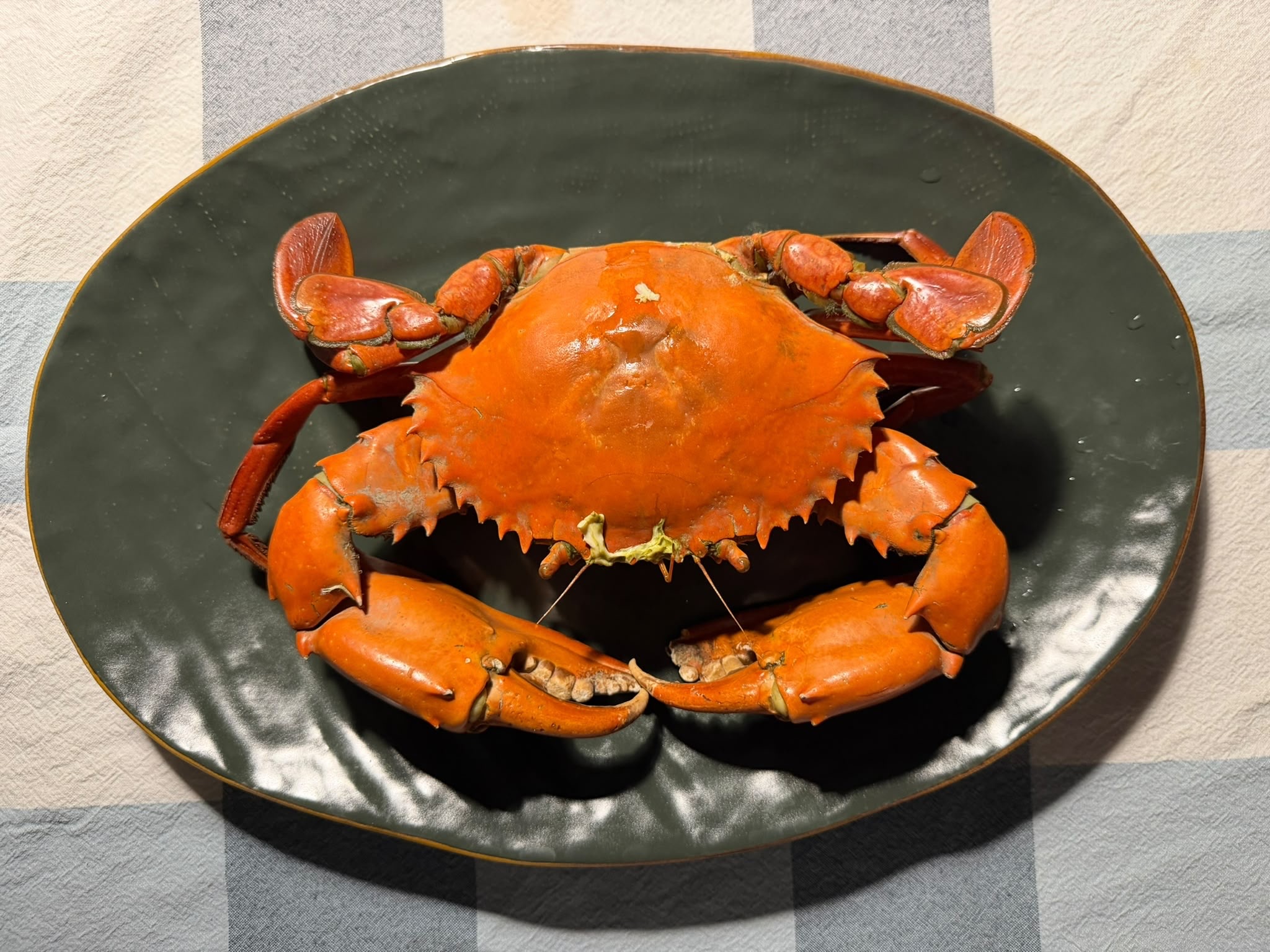
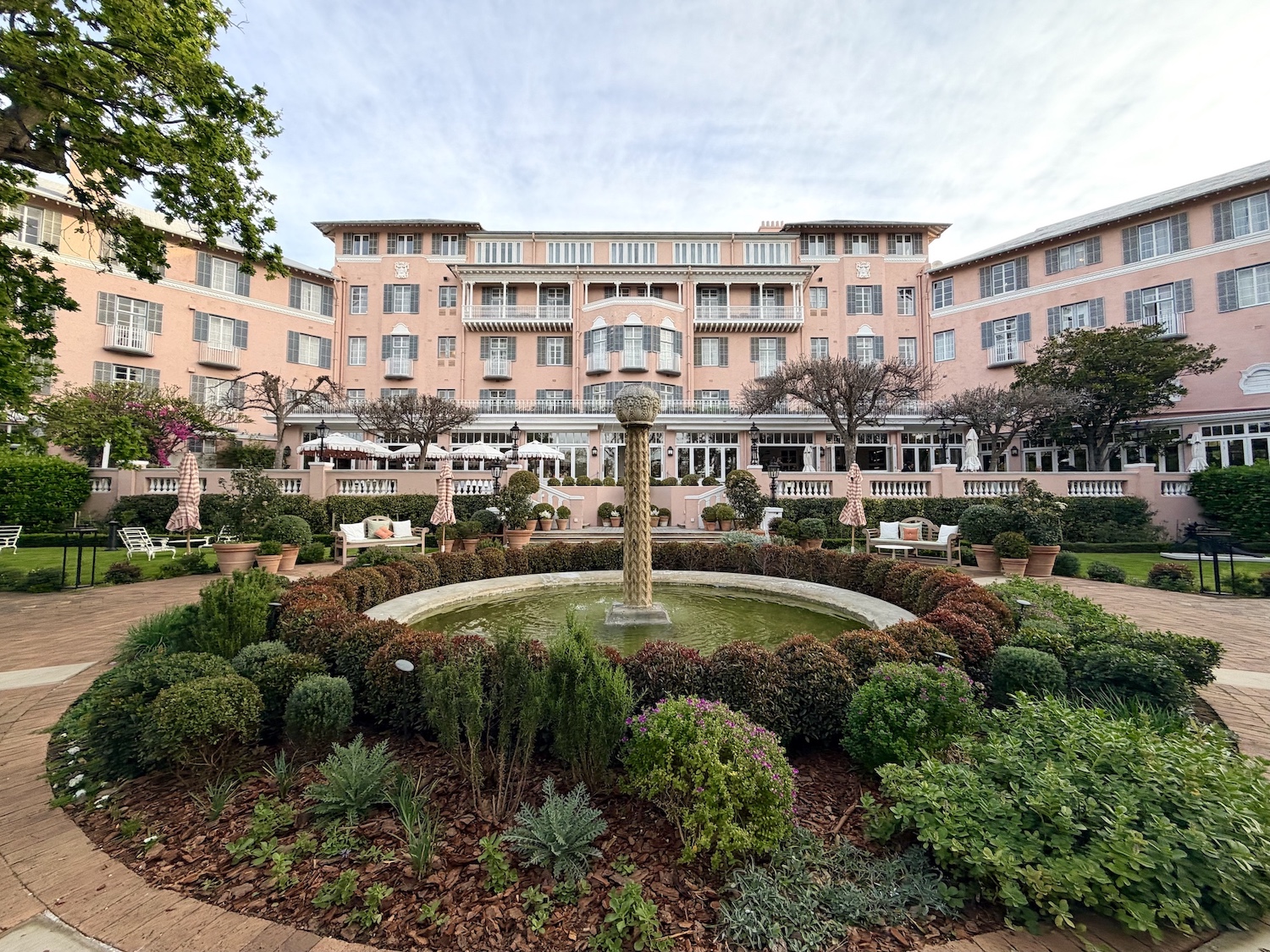
This need for cosiness and safety is also the reason behind my love of old-world hotels. When I’m in a grand hotel, I’m enveloped by warmth and nostalgia. Everyone is gentle and kind. They smile, call me by my name and take care of me. I don’t have to perform tricks in order to feel seen. There’s, perversely, a sort of unconditional love at play here, albeit surface-mostly and service-industry.
It’s not just hotels though. There are a few places in the world I return to regularly. The reason for that is a handful of friends with whom I can be completely myself, with whom I feel something almost approximating family and home. It is a chestnuts roasting on a fire sort of feeling – home-cooked meals, long conversations over tea or wine, and something akin to unconditional love, or at least unquestioning acceptance.
Yes, I scour the world in search of family + home as a feeling, however brief and fleeting this sentiment might be.
But – as I said – things have changed slightly in the last two years. So, I’m not that lonely, neglected little child at the foot of the stairs anymore, necessarily. It’s not all that tragic. I’m frankly, tired of tragic. I see myself as a recurrent, scene-stealing cameo in a (romantic) comedy, more than anything.
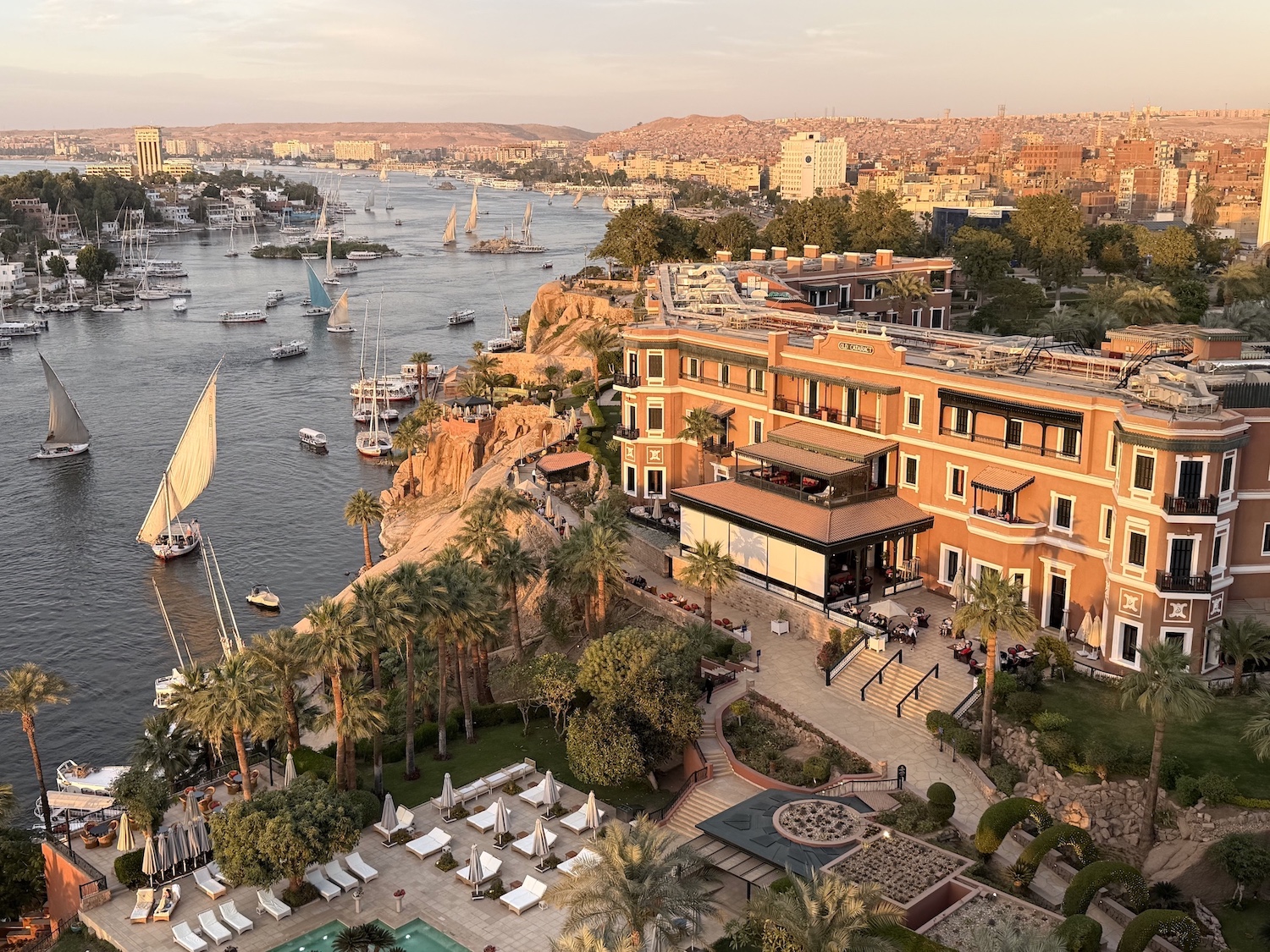
Thankfully, with the passing of time, everyone in my (actual) family has mellowed with age. Personalities are far less razor-sharp and much more smoothed over. My being unemployed these last two years has also meant more time spent with family, trying to understand and connect. And more mental and emotional space too, so I’m able to remain calm and unbothered when the gas, so to speak, is lit. 🤣
My own personal M.O. in terms of family interactions is this: whatever the mood or situation, any interaction that involves ME must needs be giddy, giggly and joyous. I have decided to apply the “nice them to death” principle I’ve perfected in the workplace to family too. Whenever I make an appearance, my role must be to lift the mood and raise energy levels.
This approach has worked wonders. I’ve been told by family that they have my back. That they’re on my side, and whatever happens I will not be left destitute or in danger. I’ve gingerly “tested the system”, and there appears to be some truth to these words, possibly maybe.
So I’ll lean into it for the time being, and not think about the distant past so much.
For the first time ever, I travelled with extended family. With my father and some aunts and uncles, I flew to Fuzhou last year for the Qing Ming Festival. I met my father’s cousins from Taiwan and Fuzhou for the first time. We visited our clan temple, and paid our respects at my great-grandfather and great-grandmother’s tombs.
Earlier this year, I travelled with my mother and one of her sisters (and her family) up to Genting Highlands for a long-ish weekend. The highlight of this trip were the post-dinner drinks with my cousin and his partner, reminiscing the past and laughing off talk of inter-generational trauma (my cousin is a psychologist) over bottles of rioja.
While in Cape Town last week, I caught up with my aunt who lives there (& who’s only 2 years older than I!) for never-ending Afternoon Tea at my hotel, where we talked about life, love and everything in between. We reminded ourselves that the last time we met like this – i.e. just the 2 of us, without family or work being in the way – was almost 20 years ago when she was working in Johannesburg!!
Of course, I’d also already spent some time with another cousin at their gorgeous place high in the hills in Myoko-Kogen, Japan… And so on and so forth.
So yeah, I’ve really enjoyed time with immediate and extended family too, this past year. Which, I suppose, is a monumental milestone, all things considered. Without retreating from the world, this might not have happened.
Because you see, when one retreats from society, one’s not meant to be entirely alone all the time. One is meant to have time on one’s own, yes; but to also spend time with the people one loves, or the people who are part of one’s intellectual and creative circle – the people with whom time spent helps you grow and discover (more about yourself and the world at large).
When Wang Wei retreated, he was almost certainly visited by peers and friends in literary and artistic circles. Not to mention for a particular stretch of time, Pei Di actually stayed with him, entwined in blissful, creative, poetic endeavour. As for family… who knows, perhaps some of his folks would’ve also made the trek to the Wang River, to see how he was getting on.
The splendour of solitude does not the joy of company exclude.
* * *
No retreat is meant to be permanent. At some point, the recluse must step out from the wilderness. If he does not, he becomes a hermit – and hermitism is quite another matter altogether. Think Buddhist monks, Christian saints, Taoist priests and wise, eccentric old sages.
I am none of these.
And so I must step out. I must return to (proverbial) court and society. The two years I’ve taken away from it all was not in vain. I’ve learnt so much about myself and about the people around me. I’ve learnt to find calm in flux, stillness in uncertainty.
I’ve come to understand that it’s quite impossible to have a plan charted out in detail. Life is too complex. Sometimes, one simply takes the best opportunity that comes one’s way, even if it’s not particularly obvious.
Sometimes, the hand that extends itself towards you to lift you up is one that’s completely unexpected. But you take the hand in good faith, and you make the effort to step out, sloughing off old skin and leaving it behind you.
You don’t know what the future might bring. But you accept that all will be fine, as long as you are guided by your boundless, niggling curiosity, and your desire to impact those around you and make meaning in this world.
This is the longest blogpost I’ve written on DREAM OF A CITY in a while. But then again, this is the conclusion – the 12th and final post! – in my TO BEGIN AGAIN series, which I started on a whim slightly more than a year ago, in a bid to find answers to all the questions I had.
What I’ve since learnt is that are no clear answers. There is simply a path that opens up when the time is right, but when you least expect it. And you walk down that path, because the view it affords is of a brand-new you, waiting to be discovered.
What immeasurable depths of open-ness, creativity and resilience lie within me, I wonder? Can I challenge myself to be something completely different than who/what I was before?
The most fulfilling journey of discovery is that which uncovers hitherto unknown, but thoroughly fascinating, facets of the Self.
Here’s to stepping forth into the fabulous unknown.