

When I took on my last job, I worried that I’d be pencilling myself into too narrow a niche. The reality of being a museum director is that you get to learn and apply all kinds of skillsets relevant across all sorts of industries.
I’ll start with change management – something I rather enjoy and have done quite a bit of work on.
Change – as they say – is the only constant; and a few times in my professional life, I’ve had the good fortune to join an organisation in the throes of great change. The last time proved most rewarding since I not only led but also got to witness the tangible results and impact of change. [More on RESULTS / IMPACT in a later post.]

In 2017, a year into my tenure, I presented my VISION for the Asian Civilisations Museum and Peranakan Museum (ACM) to its Board of Directors. By 2022 – so I foolhardily declared – the museum would be an open and welcoming space; sexy, relevant and exciting; a place full of light and wonder. These weren’t the exact words on the ppt deck, of course – but that was the gist of it.
Some Board members were taken aback, by the tight timeline and by these adjectives that did NOT the museum describe (at the time). But like a cat on the prowl, I plotted a five-year roadmap for organisation transformation that got us where we needed to be.
I’ll recount it here very briefly, if only to acknowledge that I did it, and that it was hard work. I’ll call this my #CATx+ roadmap [pronounced “hashtag-cats-plus”] – because everyone loves cats. 😄

Year 1 – Engage Your CORE
When you work out at the gym, you know to engage your core for stability and better performance. Likewise, organisations have to engage their core to weather (turbulent) change.
By CORE, I mean 1) purpose + nature; and 2) community.
I spent my whole first year at the museum talking to hundreds of people. When I wasn’t talking to people, I spent loads of time in the galleries, observing how visitors – especially younger visitors – engaged with or responded to objects, and to each other.
I learnt that at the CORE, the museum was 1) about helping our visitors appreciate Singapore’s ancestral heritage; and 2) a classical, object-centred museum.
You must not change the CORE of an organisation. But you can adjust its expression.
With the wisdom of community in mind, I decided that the new ACM would 1) help our visitors appreciate Singapore’s ancestral heritage as a cosmopolitan, cross-cultural PORT CITY; and that it would be 2) a return-to-fundamentals sort of museum, focused on OBJECT, BEAUTY, STORY, DISPLAY, and thus eliciting wonder in our visitors.
I also decided that the museum’s collecting scope and curatorial approach had to be dramatically shifted, in order for it to be relevant to contemporary audiences. I wanted visitors to see Singapore and Asian cultural heritage IN A DIFFERENT LIGHT.

Year 2 – ADVANCE Tactically
The second year at the museum, I tread carefully. It was too soon to make any drastic changes.
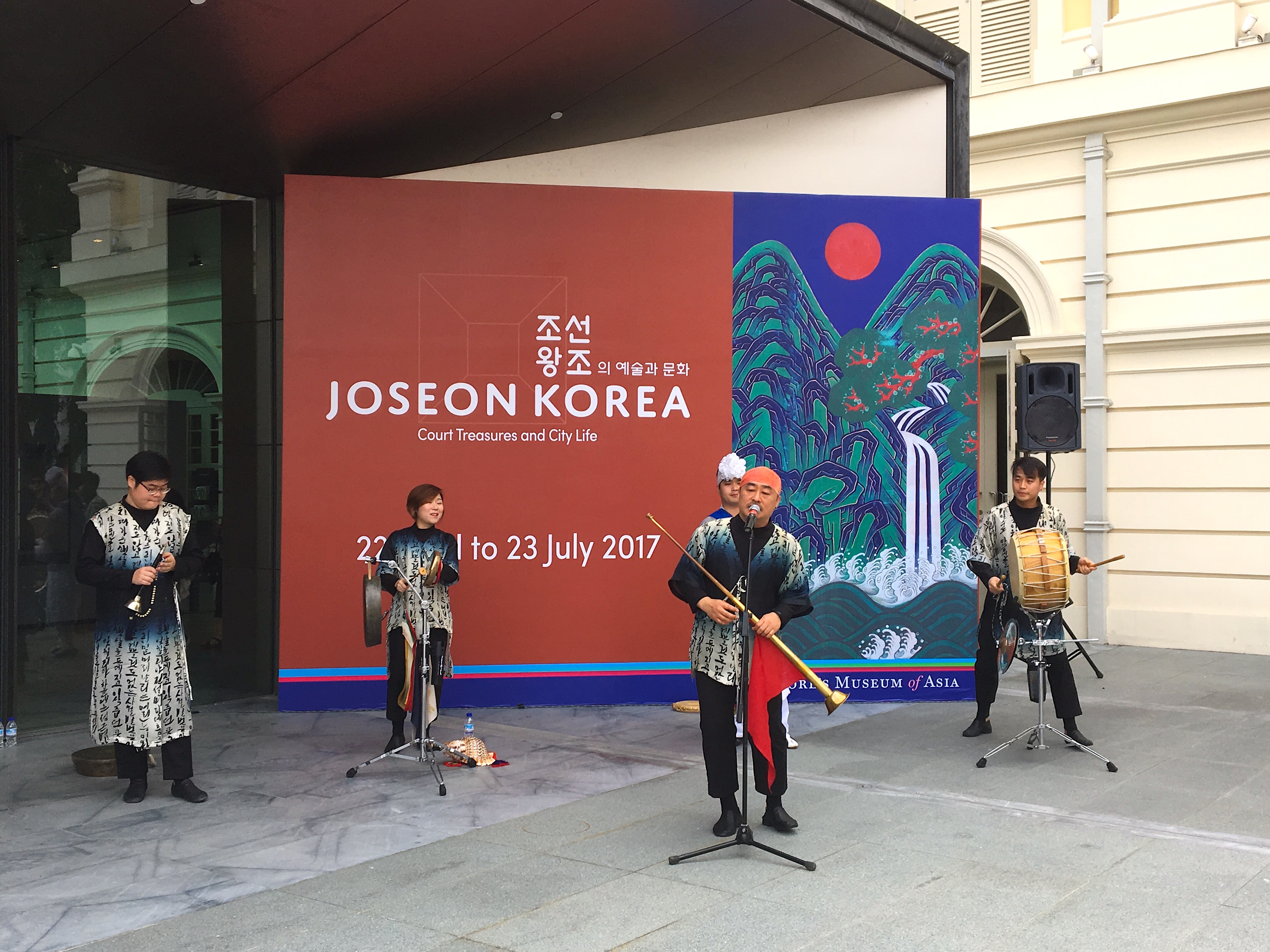
I made one small and subtle shift in the curatorial approach for otherwise rather “classical” exhibitions. Every special exhibition put on during this period had the word “CITY” in the title and had to open a window, curatorially, upon urban living and urban culture.
At the same time, I began steadily weighing in on aspects of exhibition design and display, working with the museum team and Singapore’s community of designers to beautify our exhibition scenography.

Year 3 – Stage a TAKEOVER
In Year 3, I staged my takeover. I had bided my time and now was the moment.
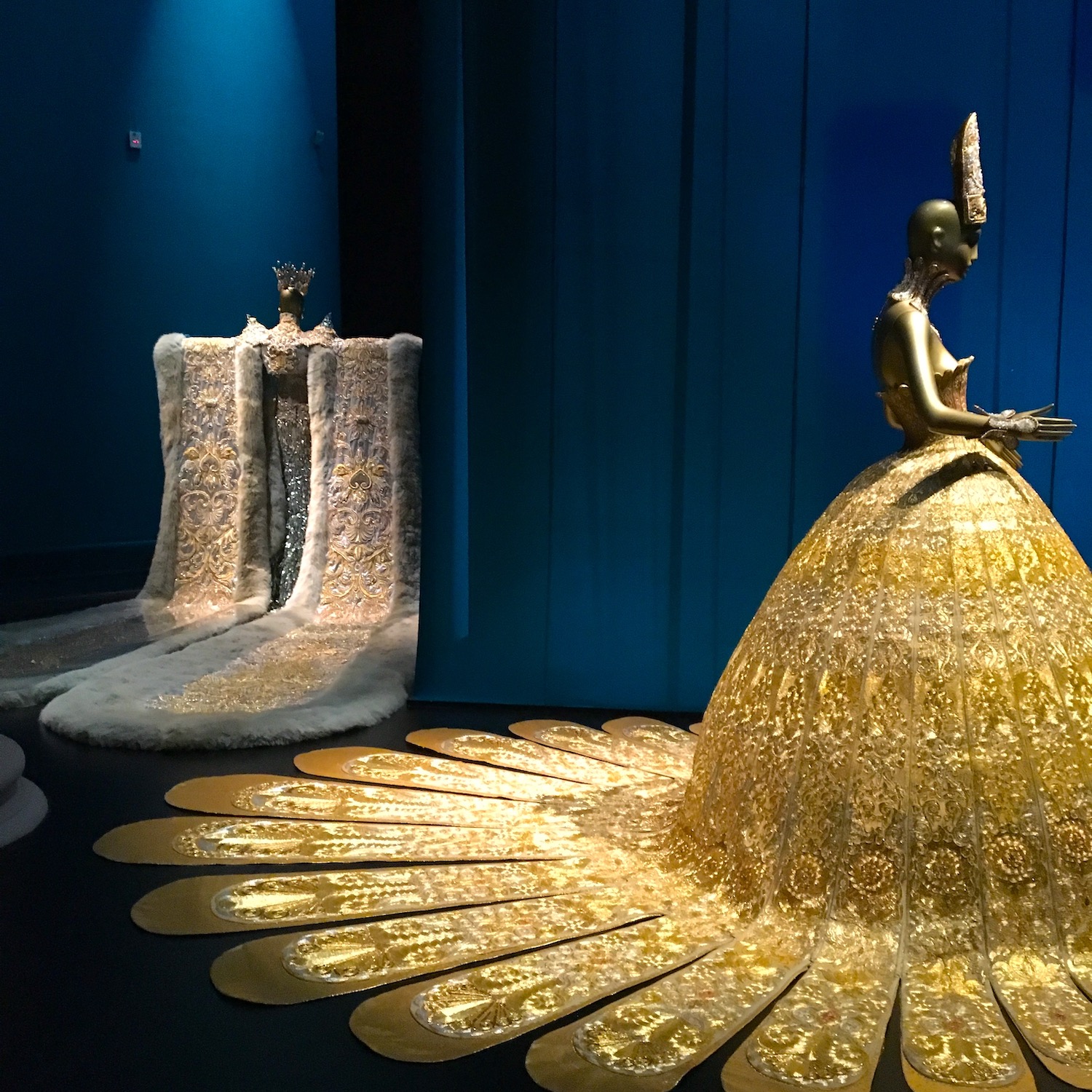
From out of nowhere, the museum presented its first-ever special exhibition on contemporary couture. The curatorial approach to the exhibition upheld the museum’s CORE, even if it took its expression to someplace brand-new.
Everyone worked hard to ensure it looked like nothing Singapore had seen before. The point of the “takeover” was to GRAB the public (and social media’s) attention. The museum was dragged into the spotlight and popular consciousness, for better or for worse.
The exhibition was a clear statement of what the museum would BE from now on. It’s positioning, values and brand essence had changed permanently. All exhibitions henceforth had a very specific and distinctive look and feel – adding to a new and improved ACM “brand”.

Year 4 – “x” for Collaborations
The plan in Year 4 was for the Museum to further its branding and expand visibility by way of more collaborations – “collabs”, borrowing an approach (and lingo) prevalent in the fashion and creative industries.
i.e. ACM x ……
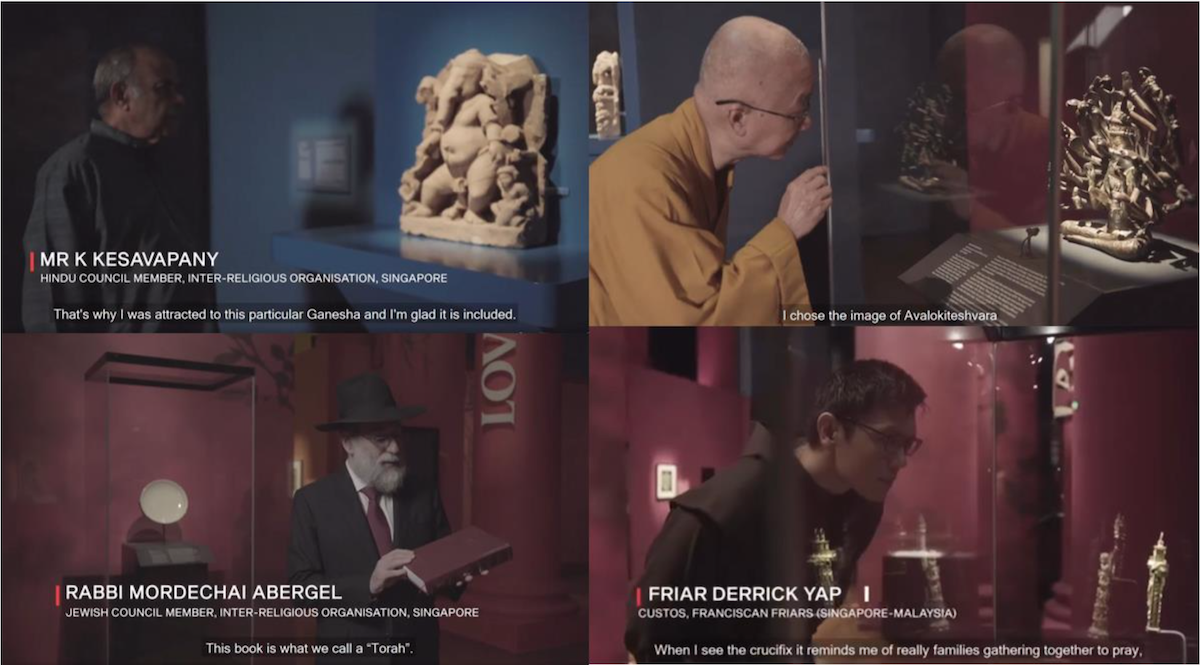
COVID made sure this otherwise subversive new approach to curating was internalised by the museum team. Collabs became a way for the museum and its curators to show (funders and the public) that we were actively uplifting communities in the midst of crisis.
i.e. ACM ≄ Ivory Tower
A programme of collabs also anchored the museum firmly at the heart of its own creative ecosystem.


All Years – #SpeakVisually
All through the process of transformation, I never stopped obsessing over aesthetics, visuals and vistas. I wanted a cinematic quality in our galleries and exhibitions – they had to look drop-dead gorgeous through the lens of a camera, whatever angle one shot from.
Visuals speak directly to emotions, and I wanted people not only to experience but FEEL the museum.
To me, a focus on “speaking visually” was also a return to fundamentals. I believe firmly in the VISUAL as primal, sophisticated and highly-efficient means of communication. By way of social media, most contemporary audiences now communicated through a primarily visual medium, in any case – so they understood this visual language readily.
I wanted the ACM brand to be known for its emphasis on the VISUAL and on BEAUTY that transcended space and time. For me, one key indicator of an exhibition’s success was thus its ability to elicit a GASP, at some point in the visitor’s journey. [More on THE GASP in a later post.]

Year 5 – “+” for “What Next?”
So we’ve done it. We’ve achieved our vision. But the world doesn’t stand still, and neither can we. We need to articulate “what’s next?” We need a new (and possibly bolder) vision.
By 2022, I had articulated a new vision for the institution: one that was much more ambitious than its antecedent. Suffice to say that parts of this new vision – which has a lot to do with collecting DESIGN – have come to be; and I’m very pleased to have been a major instigator.
It’s important to keep articulating a vision of growth and development. A wise man –HK-based textiles collector, Mr Chris Hall – once told me matter-of-factly that if an organisation isn’t growing and expanding, it’s plateau-ing and declining. There are no three ways about it.
For there to be good individual professional growth in an organisation, the organisation itself needs to grow. There needs to be a longer vision for it. Otherwise, people are just doing the same thing over and over and over again, and they ultimately leave.


So that’s it, folks!
That’s my 5-year roadmap for transformation, which I otherwise subtitle “a healthy preoccupation with #CATx+”. Hope to hear from more wise women and men on how they’ve led journeys of transformation, organisational or personal.
Looking into the near future, it would be lovely to work, once again, in an organisation looking to transform or in the midst of great change. Concurrently, I shall #CATx+ myself as I look to my own personal transformation.
Don’t mind me as in the coming weeks, I continue to ENGAGE MY CORE in these pages.
[Next post, by popular demand: PERSUASION, or ‘Turn On’ High-End Geisha Mode Now]


 Dream Of A City
What an inspiring journey of transformation and vision you’ve shared in this blog post! Your #CATx+ roadmap for organisational change is truly commendable. I’m intrigued by your strategic approach and focus on core engagement. How did you ensure alignment with the museum’s core while implementing innovative changes during the transformation process?
Thank you motiv8n! To answer your question, I had to tread slowly and make changes progressively at first, and then ruthlessly, once the time was right. The nature (core) of the museum did not change – it’s purpose was still to help visitors better understand Singapore’s heritage; and it was still an object-focused museum – but the expression of this core did. I continued to balance new types of exhibitions (e.g. contemporary fashion) with very traditional ones (featuring Asian art and antiquities). Some of the old guard (patrons, staff, volunteer docents) disagreed with the approach fundamentally – there was no point convincing them. I decided that the benefits (brand-new audiences, patrons, increased visibility – and later on, increased funding and donations) of the new approach far outweighed the losses.
A courageous move on your part, but necessary. Sometimes steps like these must be taken or stagnation is the result.