

The scene is set.
I’m seated at the table, surrounded by eight guests whom we’re hoping will give generously. The main course is done. Plates have been cleared and desserts have yet to be served. The Museum’s indefatigable Head of Development signals that it’s time to speak.
I whip out my virtual shamisen and begin strumming languidly with my fingers. Music plays in my head. I utter my well-rehearsed words, about Beauty, Wonder, Relevance and the Best Museum Team in the World. You’ve seen it for yourselves, I add gently. And indeed, they have – I brought them on a private tour of the galleries just before dinner.
I strum with increasing intensity, painting a vision of colour and light. I speak with rousing sincerity. My passion comes through in every word I utter. I make the ask – for help and support. And then with a flourish, I end my song.
Guests are won over. They nod their heads. Chests heave, eyes are dilated. Later in the week, the gifts will come. Elated, I hang up my shamisen. Only to take it down again the next evening, when the scene is set once again, but with a different set of guests. It’s gala season, after all.

* * *
As Museum Director, one of my principal responsibilities was fundraising. Yes, we weren’t funded fully – we had to find $$$ to put on exhibitions and programmes, and complete our multi-year refresh of permanent galleries.
“FUNDRAISING” is a convenient catch-all term for a whole range of very useful skillsets. The art of persuasion, for example. Or crafting compelling gift and sponsorship pitches. Growing and sustaining a network of patrons and supporters. The ability to ask for $$$ (without embarassment) and close a deal…
I took the job primarily so that I’d be able to pick these skills up. I told myself they’d come in handy when I eventually became a full-time author (yes, I had big dreams!)
I was terrified at the beginning. I had to hold my own alongside captains of industry and society – very important and powerful people. Thankfully, my board of directors came to the rescue. They were generous with their guidance and encouragement. I learnt SO MUCH from observation and taking advice.

“You have to wait, Kennie,” one of them said, early in my tenure. “You have nothing to show now. The museum is under renovation. Wait till it’s mostly done, and then make the big asks. You got to have something to show.”
“Never ask for money at the start, Kennie,” another board member advised. “Always ask for ‘advice’ or ‘help’. That’s the way in. That’s how you cultivate new, potential patrons. People like being asked for advice. And how do you refuse someone who asks for help?”
“Your role is to paint a compelling vision, Kennie,” my indefatigable Head of Development said – one learnt from colleagues too. “Charm and inspire them. Touch their hearts. The Board and the development team will follow up with the $$$ conversation.”
They were all right, of course.

* * *
Another important and related skillset I picked up on the job was Hospitality.
Again, the word is a convenient catch-all term for all kinds of attendant skills. Chiefly, being able to make guests feel at ease, or better yet, feel at home. Which meant, amongst other things, having an eye for detail. Being well-groomed and presentable at all times. And being able to sustain an intelligent and enjoyable conversation…
I knew what hospitality looked like. I’d already spent a decade travelling to and staying at Asia’s grand historic hotels. And just across the river, The Fullerton Hotel was our closest neighbour. [They were also a major patron]. If I ever needed inspiration, I just walked across Cavenagh Bridge for a spot of coffee and observation.
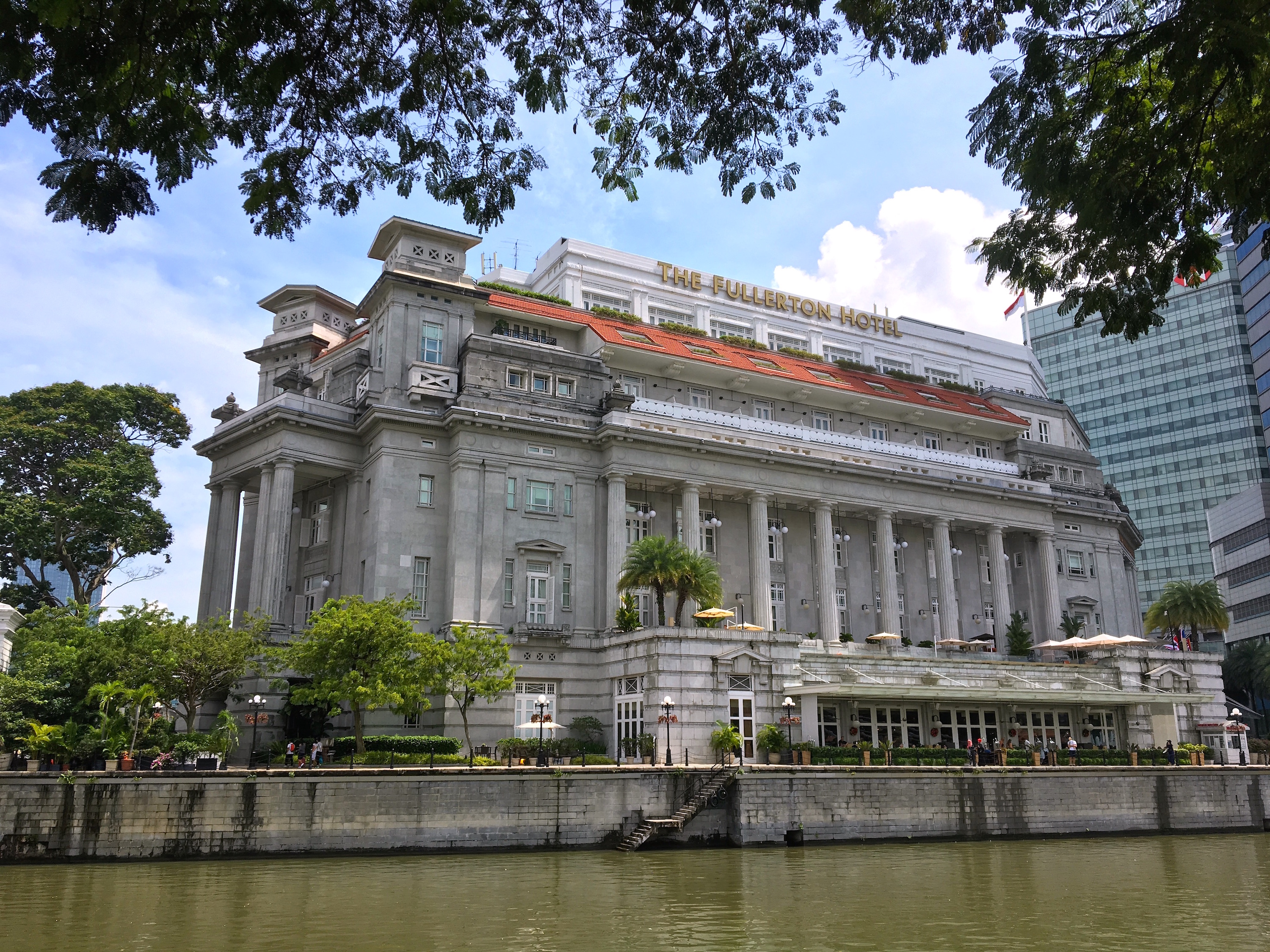
To me, the Museum was exactly like a grand hotel or residence; and I, it’s Chief Concierge and Consummate Host. I worked hard at making the museum look presentable, even immaculate; to feel both exclusive for special guests and welcoming for the regular visitor.
I also worked hard on myself, cultivating and perfecting a particular mannerism and way of speaking that was child-like and non-threatening; that balanced erudition with humility; that allowed my authentic self to still shine through, even as I knew I was playing a role.
Very early on, I decided I’d always be dressed formally in a suit or Asian equivalent (e.g. batik shirt). It was part of the image I hoped we’d convey: that this institution and everyone in it embodied a culture of excellence, professionalism and service.
Hospitality is a deep-rooted part of almost all Asian cultures, after all.

* * *
The act of making the ask – as my opening scenario suggests – is a complex and intricately-choreographed DANCE. So many considerations go into playing the scene properly.
You have to be curious. You have to ask questions about the guest(s). Find out what their interests are. You have to listen for clues as to what matters, emotionally. You have to respond with the perfectly-phrased rejoinder, even as you reach out to serve them morsels of food. You have to charm and cajole with your wit and depth of understanding of arts and culture. You have to remain lucid and attentive, even as you sip at your glass of wine. You remind yourself that it’s important you create that perfect atmosphere of conviviality.
You have to be self-effacing; turn the spotlight onto your guests so they too get the chance to regale the table with funny stories and industry insights. You have to laugh at the right cues, and reply thoughtfully, drawing on your knowledge of current affairs. You have to tactically and gracefully convey your key messages – “the museum is a trusted partner”; “it has a culture of beauty and excellence” – at opportune moments in the conversation.
You have to climax with the ASK, and do it effortlessly and graciously. You know that they know the true reason for the evening’s dinner; but it still has to feel incidental. You couch everything in terms of friendship and familiarity, respect and a mutual love for culture, the importance of (aesthetic) education and uplifting community.
And when support is pledged, you express gratitude and relief, by way of an irrepressible and genuine outburst of joy – Oh gosh, thank you so much!!! Yay!!! You clap your hands and exhort the table to raise a toast to the future. And return to strumming your virtual shamisen exuberantly.
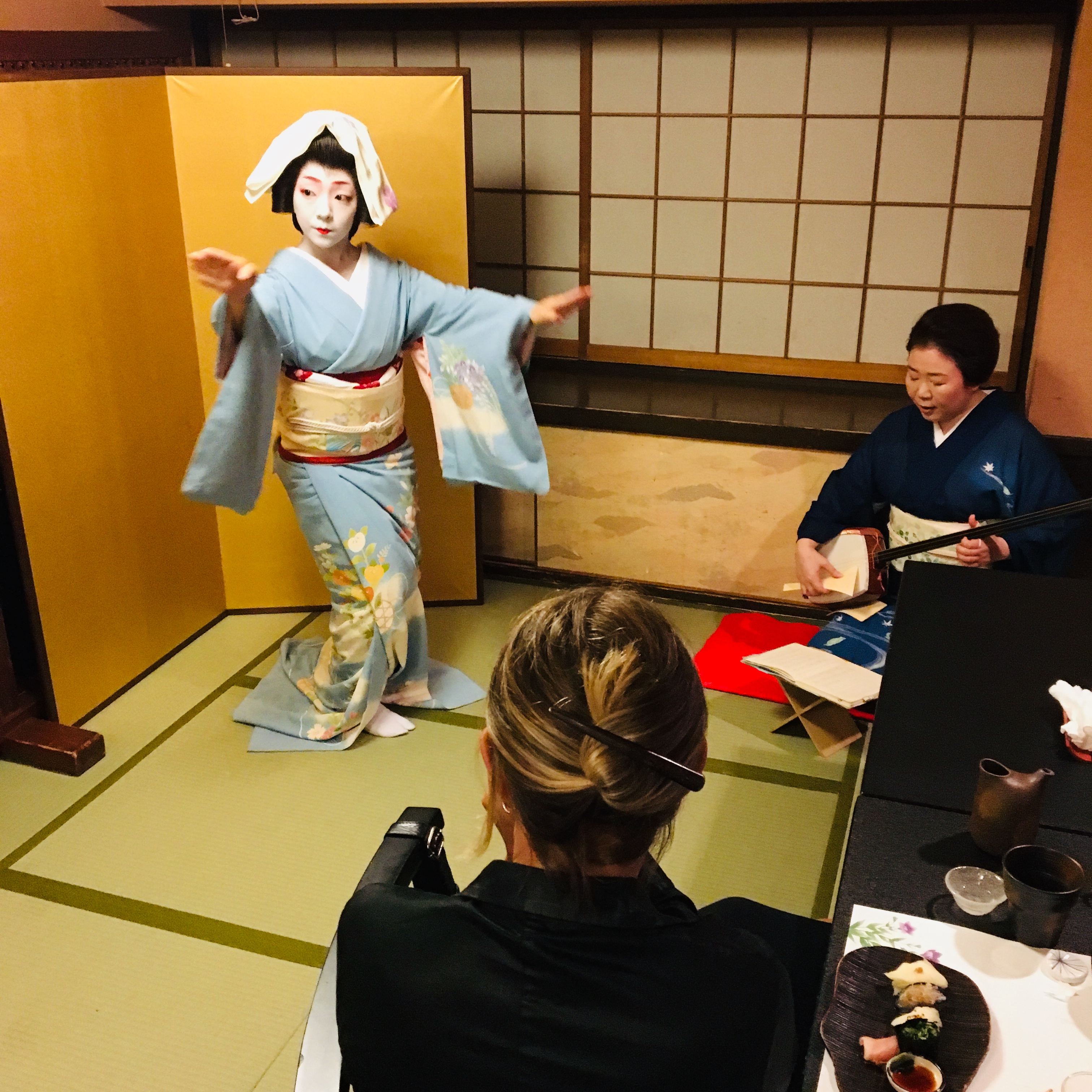
You can see why I often joked – to colleagues and friends alike – that I was essentially a “high-end geisha”. I was Isshou-KEN-mei-chan (一生KEN命ちゃん). I even had an annoying theme tune that I’d play frequently to torment my listeners – those friends and colleagues – and lighten the mood.
* * *
The kanji for “geisha” is 芸者. It literally means “one who is skilled in the arts” or “cultured individual”. And indeed, geisha are highly-cultured and sophisticated practitioners of the arts – classical arts, in the sense of dance, music, dress, song, performance and aesthetics; but also the arts of entertaining.
Geisha are custodians of culture and heritage; vanguards of hospitality. They dedicate their entire lives to their art. It certainly felt like I had to do all that too, as a Museum Director.
Practically ALL of my job involved persuasion, hospitality and promotion of art, culture and heritage. I felt like I had to be in “high-end geisha mode” almost all the time.
Aside from cultivating patrons and donors, I also had to meet with diplomats, politicians, community leaders, even royalty. I frequently travelled to negotiate collaborations or loans of important artworks or whole collections from museums, collectors or designers abroad. I regularly took on interviews with members of the press, including live chats on late-night TV.
I had to sell Singapore, CULTURE and the Museum at international conferences and symposia. I had to give physical and virtual tours of the galleries and exhibitions to persuade the public to visit us in hordes. I had to report back on quarterly performance to our board, galvanise and encourage the museum team at quarterly town halls.
Cosplay is great fun. But having to do it all the time is terribly exhausting.

* * *
It got easier, of course.
My technique improved. Diligent practice (修炼)meant I attained the highest levels of proficiency (最高境界), wherein “high-end geisha mode” came naturally. I could “turn it on” when I needed to. I was also better able to balance calculation and sincerity. My real and authentic self shone through more ebulliently, where I had previously entertained fears of losing Myself in the pursuit of Mastery (走火入魔).
It also helped that the museum consistently curated exhibitions (and programmes) that were radical and ravishing, “pushed the envelope” on originality of thought and design, and contributed to a larger cause of uplifting people and community.
Towards the end of my tenure, I rarely had to make an Ask. Instead, I found myself gratefully welcoming new patrons who came to us of their own accord, and humbly accepting generous (and voluntary) offers of donations from some of our long-standing patrons.
My work was well and truly done.
I’m proud of what I’ve achieved (with the backing, wisdom and partnership of a great Board and Team). But I do hope that in my future role, I won’t need to turn on “high-end geisha mode” quite so much. I know I will always have this “special power” in me, to unleash, if necessary.
Though only sparingly, I think. I’ve already put the shamisen back into its case. 😂

 Dream Of A City