

This past week, I succumbed to a spurt of anxious activity, only to be reminded that I should be taking it easy. The goal (of blogging and reflection) is to slake off old skin, so a new and refreshed ME can emerge. Moulting has its own pace and rhythm. It cannot be rushed.
The reminder to breathe came from my neighbour downstairs. She and hubby had just returned from Hong Kong and a text came letting me know they’d bought some mooncakes for me.
In typical, Astro-boy, anxiety-laden Kennie fashion, I was like “I can come by now to collect them!” To which my neighbour replies, in her fashionably languorous manner, “No, darling. I just rolled out of bed. I’ll text when I’m ready. I’m moving in slow motion this morning.” It was 1150 am.
I loved her words “moving in slow motion” so much I decided to blog about this instead of doing whatever else I’d suddenly been overcome with. I’ve decided this is what I need more of – to “move in slow motion”.

* * *
The last ten years of my life, I’ve been moving at warp speed.
Alongside a full-time job, I was also writing books – fulfilling my dreams of being a writer, as it were. While it might seem like laudable self-actualisation (i.e. JOB + DREAM); the fact was that EACH was a full-time job in itself.
I was cramming two different people and careers into one body and 24 hours a day! Naturally, I found myself working constantly. If not lurching about at the museum, I was beavering away at my writing desk – and my whole time at the museum, I was constantly working on some book (I had 5 books published in 12 years – eeks 😅).
All this work made Jack a dull, exhausted and very anxious boy. Especially when the mind had to function at 400% all the time. I was generally in fight or flight mode, having to make creative and leadership decisions in a split second, while fighting fires – there were always fires to fight at the museum – and sprinting along to meet work / writing deadlines…
It wasn’t all storm and stress, however. There were moments in my life where I was “moving in slow motion”. I’d like to spotlight these, in the hopes that they form a significant part of my professional life in the years ahead.
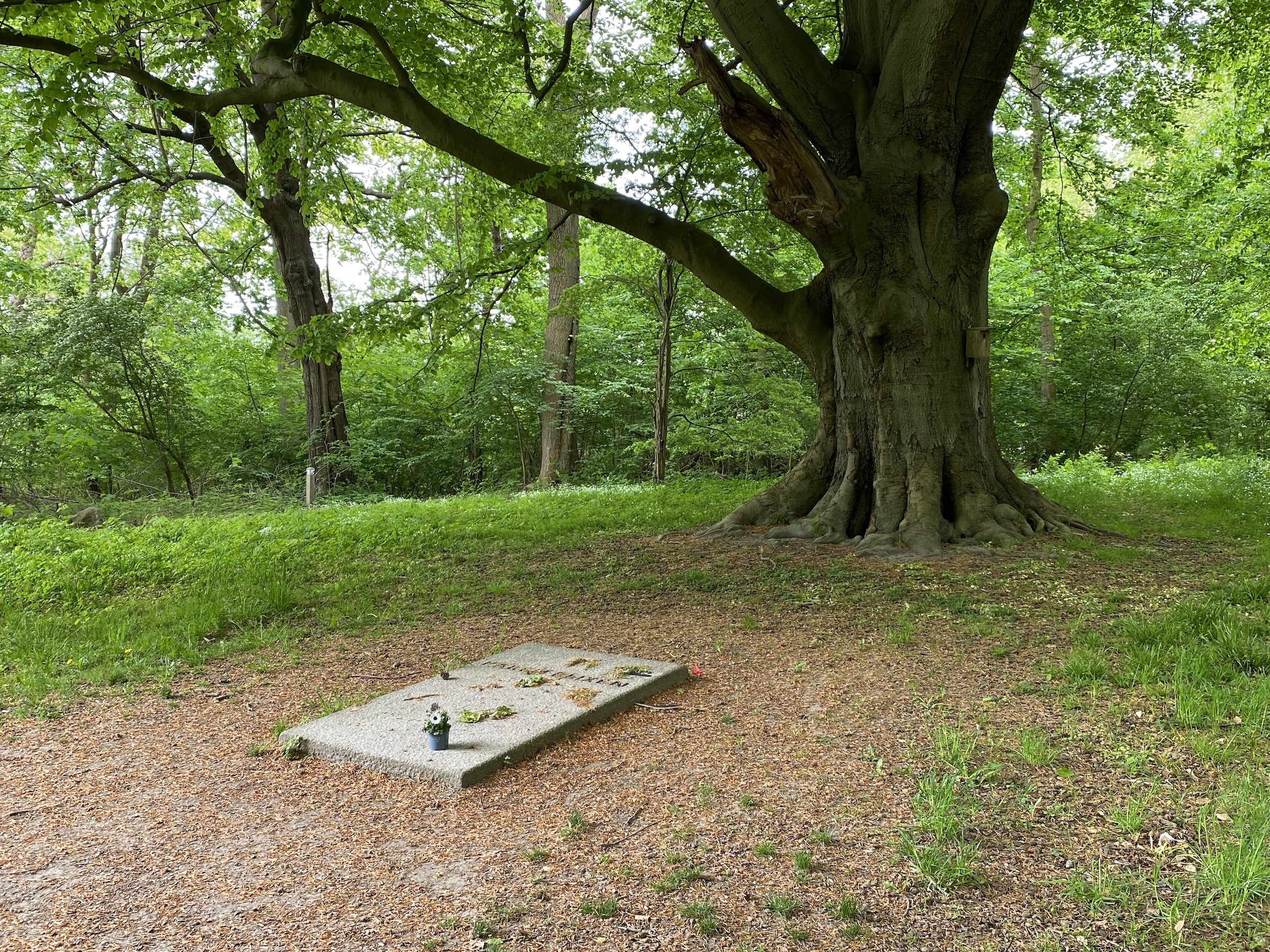
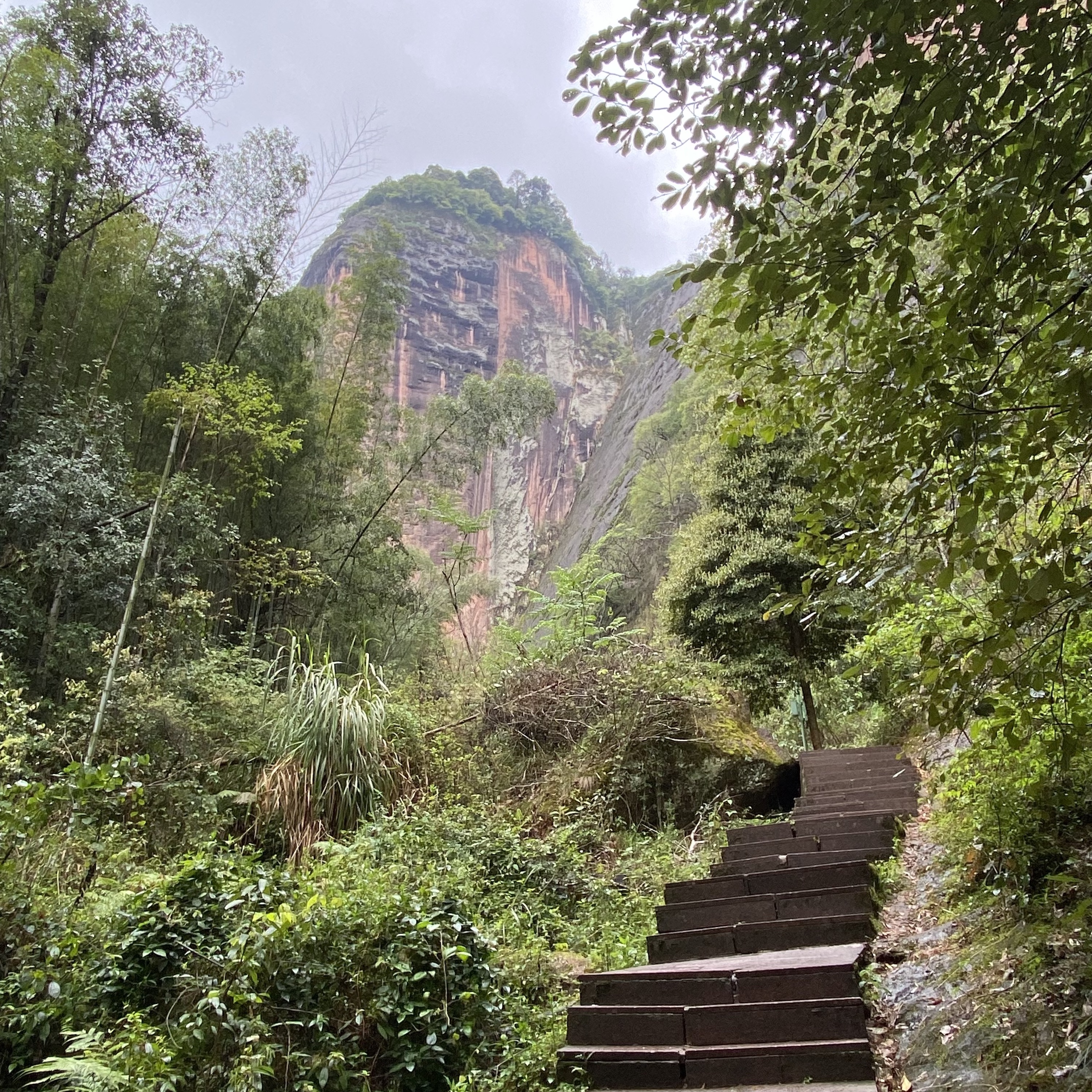
* * *
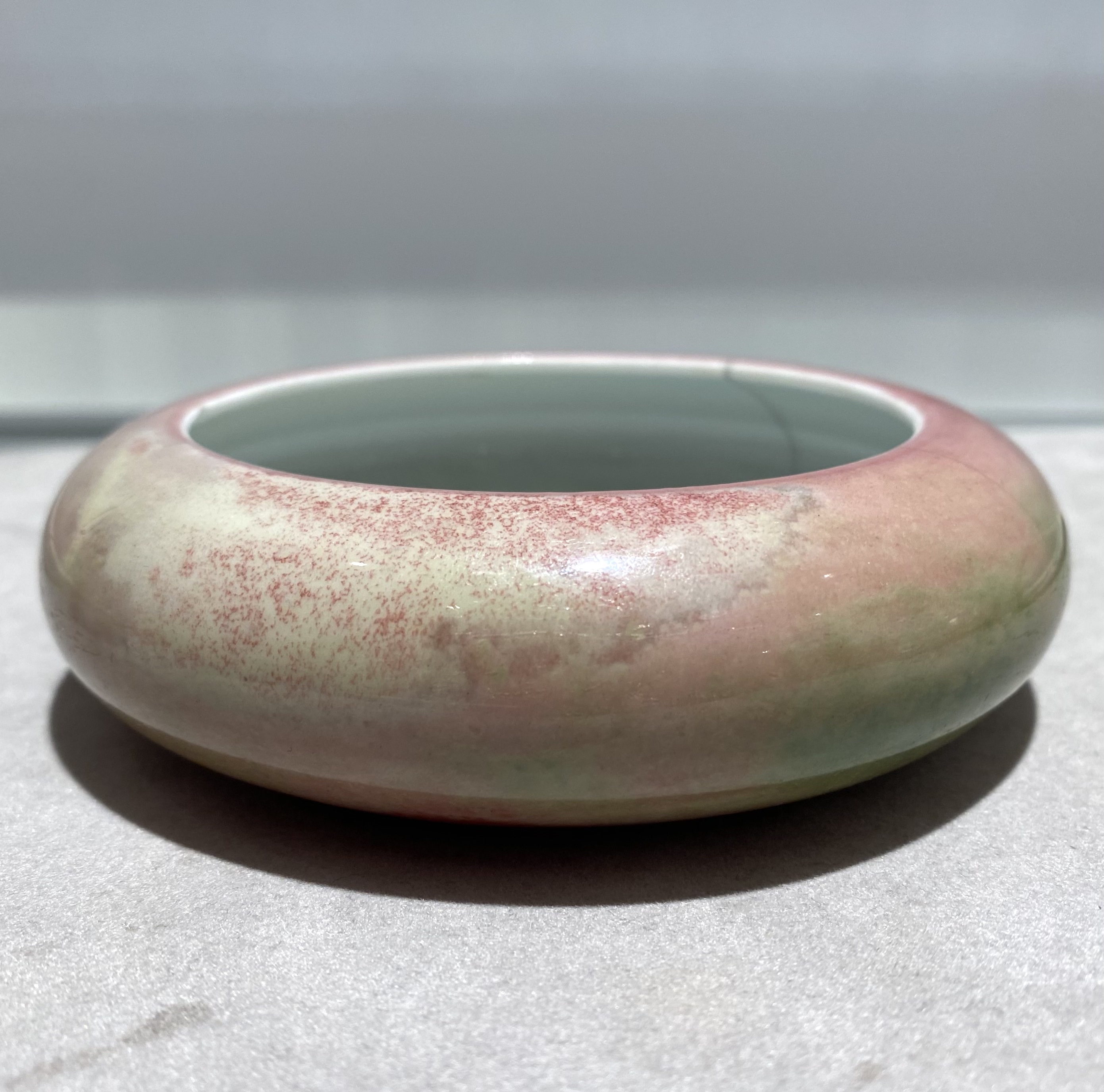
What I loved most about my job was the opportunity to handle artworks. The museum was lucky to have both public and private sector funding for art acquisition. We were also very lucky to have generous collectors around the region who gave us pieces or sometimes entire collections.
Though I was very bogged down as Director, I tried really hard to make time to go with curatorial colleagues for international art and antiquities fairs, where we would view and assess works for acquisition. I also had the chance to spend time with a handful of Asian art collectors and their collections.
Being with objects gives me so much joy.
Time stops when I’m with a piece that catches my eye. In that moment, I forget I’m a museum director. The weight slips from my shoulders and I feel like a child again, wide-eyed and curious. Like my curatorial colleagues, I can spend AGES with just one piece, peering closely at its details with a magnifying glass, feeling its texture or firmness on my skin, wondering at the magnificent way the colours and motifs cohere. My heart leaps and I get goosebumps.
I learnt so much about history, culture and materials by being with objects. Because of the museum’s wide collecting and curatorial scope (which I further expanded in my time), I had the opportunity to come into very close contact with all sorts of treasures: Indian miniature paintings, Chinese porcelain, metalware from the Islamic world, Southeast Asian textiles, modern dress and jewellery… You name it, I’ve probably handled it. I had the world at my fingertips!
Handling objects also trains the eye. The more I see, the more I’m able to distinguish what is truly beautiful, spot patterns and relate these to broader art historical movements, understand the thought processes and techniques that went into making the piece.
Each object is a universe of stories to be unearthed and retold.


* * *
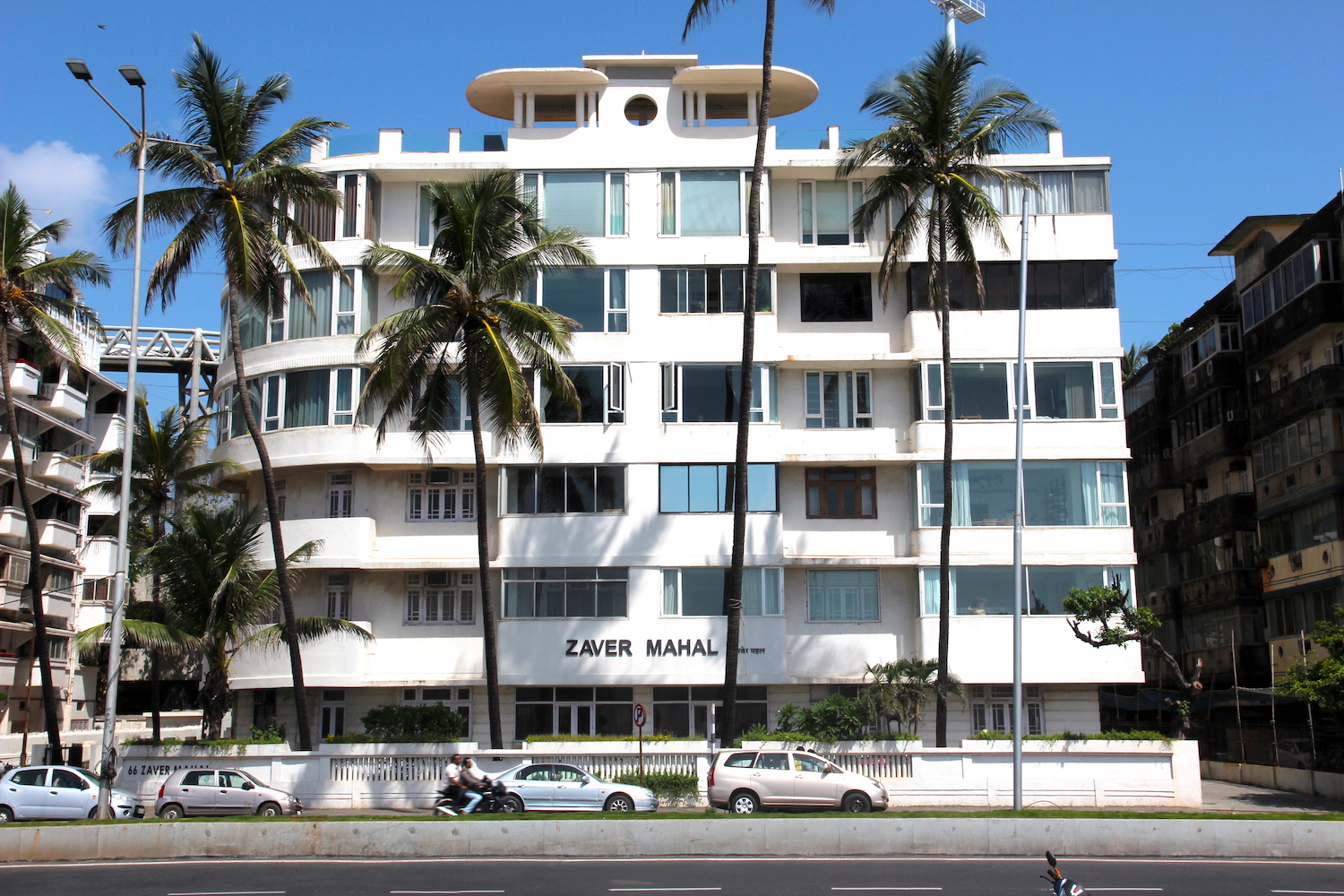
For similar reasons, I love wandering the streets with my camera. I see myself as a street and architectural photographer, of sorts. Between 2012 and 2016, I travelled to more than forty port and imperial cities in Asia, where I spent days each time walking around old towns and historic quarters, and taking hundreds of photographs of streetscapes and architecture.
I often wandered with no timeline in mind. I just kept going from one building to the next, assessing the light, framing the shot and then shooting again and again till I got it perfect. More often than not, I’d be enraptured by the beauty of a particular building, and stand before it for ages, trying to figure out just what made it so gorgeous. Other times, I’d be obsessive-compulsively taking photos of each and every building on the street, because why not? I wanted to capture them all.
Sometimes I walked for an hour or two. Sometimes I walked for six or seven. I would often start walking at dawn, then return to my hotel for lunch and a short break, before heading out again in the afternoon. I often went back to the same street twice, so that I could shoot buildings on either side of the street in good light. The light was important, you see. And you know… one side of the street typically faces the morning sun and the other, the afternoon.
Ah, the delicious solitude! 逍遥自在地好爽快! I felt so free!! My feet often hurt by the end of the day, but my heart was so full!
I generally kept some 600 photos I took in each city. Maybe 10% of these are good for display. That still means around 7000 photos (from an archive of 30,000 – jeez, I need to sort out my archive!). These were snapshots of Asian cities on the brink of development and change in the 2010s. Perhaps in 20 years they’ll be a valuable documentary record, if they aren’t already so.
I need to do more with these photos. I’ve decided I shall scheme a way to have them exhibited somewhere. They aren’t works of art, necessarily. But each of them tells a fascinating tale. Put some two or three dozen of them up together with proper curation and I believe you’ll have a pretty compelling exhibition; a vivid window onto the past; an epic, sweeping visual history of trade and cultural exchange embodied in brick and mortar.
More importantly, I need to get back to wandering and photographing cities again. I had to stop when I took on the museum job. I simply didn’t have the time. I had to work most weekends and most evenings. I haven’t done it again since, even though I travelled extensively in the past year.
[ASIDE: Peering through the lens of a camera so much meant that I could see cinematically; that I naturally sought out the perfect framed shot, tableau or vista everywhere I looked. This skillset was put to good use when it came to exhibition design and scenography at the museum. I could always sort of envision exactly how I wanted a view in the gallery to look like; and describe this view in very specific terms. The result: those gorgeous sight-lines and ravishing set-pieces ACM became known for. But this is another story…]


* * *
Finally, the clock also ticks at a more leisurely pace when I write.
While I was working on THE GREAT PORT CITIES OF ASIA, I had a routine that served me well. Every weekday morning, I would get up at 7 am to write, tapping away at my desk for an hour or two before going in to work.
Writing was a lifesaver. It calmed me down and helped get me through the day. The last two years of my tenure at the museum were difficult ones. Post-Covid, life didn’t go back to what it was before. It became much more intense; as though we didn’t learn anything from the pandemic. I was ready to leave. Two years before I did, I’d already given my boss notice.
What got me out of bed each morning was excitement at being able to lay a few more paragraphs – sometimes pages! – down for my book. I relished getting lost in the story I was telling: of the floating world of Yangzhou’s courtesans in the Tang Dynasty, of the legendary Manila galleons or cathedrals of Old Goa, of Tianjin’s foreign concessions and Dubai’s desert skyscrapers. And then when the alarm rang (for the second time that morning), I’d put on my suit or batik shirt and get going.
I’m not sure if I enjoyed the word-smithing or story-telling more. I’ve been told at the museum I’m a great story-teller – that I was able to capture my audience’s imagination whenever I gave tours and spoke about pieces from the collection. I definitely also enjoyed shifting words around on the page until they came sort of “fit” perfectly. The perfect sentence was like the perfect shot or vista. The whole was more than the sum of its parts.
Writing was so important to me that I seized and relished every opportunity I had at the museum to do it. I wrote every one of my forewords, speeches, scripts for interviews and promotional videos (etc, etc.) myself. Mind you, not every museum director does that. I took these internal writing gigs seriously, making sure that I always made a convincing argument for something I believed in, or told a stirring little story that would put a smile on someone’s face.
Now that I’ve finished writing my first novel, I’m wondering if I should get started on another book. I have so many ideas. So many other books I want to write.


* * *
But one thing at a time.
First, completing this journey of reflection on who I want to be, at least professionally. Next, finding a job that feels right. Or just applying for all sorts of jobs that sound interesting, for the fun of it. Why not? Along the way, maybe I’ll even land an agent and publisher for my novel.
Who knows what’ll happen?
Pole pole, as they say in Swahili. Or pelan pelan, in Bahasa Indonesia – the languages are related.
Take it easy and move in slow motion. 😂


 Dream Of A City