

The St Francis Xavier’s Cathedral, Kyoto (1890) is one of the highlights of the Museum.
To really view specimens of Meiji-era architecture up-close, one has to travel Southeast to Inuyama 犬山, a small town on the outskirts of Nagoya, for the one-of-a-kind Meiji Mura Museum.
Literally meaning “Meiji Village,” Meiji Mura 明治村 is a sprawling outdoor museum that displays as its collection – you got it! – buildings (largely) from the Meiji Era (1868 – 1912), from Tokyo and other places like Mie, Nagoya, Nagasaki, Kobe and Kanazawa. These buildings had been painstakingly disassembled from where they originally stood all over Japan, and brought here to Inuyama, to be preserved for posterity.
Unlike the heritage buildings that still stand in Tokyo (and featured in my previous post), which mostly date from the early Taisho period onwards, almost all of the buildings here (some 90%) were built between 1870 to around 1912 – squarely during the Meiji Emperor’s reign.
The one notable exception, which also happens to be the “star piece,” so to speak, of the museums collection of buildings, is the Main Entrance Hall and Lobby of Frank Lloyd Wright’s iconic Imperial Hotel Tokyo, built in 1923 (during the Taisho Era). When the Hotel was demolished in the 1980s, to be replaced by the present high-rise building (more in a future post), the Main Entrance Hall and Lobby was (thankfully) brought here. It is the primary reason I made the journey to Inuyama to visit the Museum.
This gallery presents some 30 buildings from the museum’s collection (just under half of the almost 70 buildings and structures on display). The Museum itself sits in a beautiful park that overlooks some stunning lakeside scenery, and is well worth a day’s detour – IF you happen to be in Nagoya city (it’s a two hour journey). From Tokyo, prepare to travel up to 6 hours by shinkansen, local train and super-local bus.
Yup, that’s commitment.

Main Gate of the Eight National High School, Nagoya (1909) – also the Main Gate of the Meiji Mura.

Ohi Butcher Shop, Kobe (1887)

Mie Prefectural Normal School (1888).
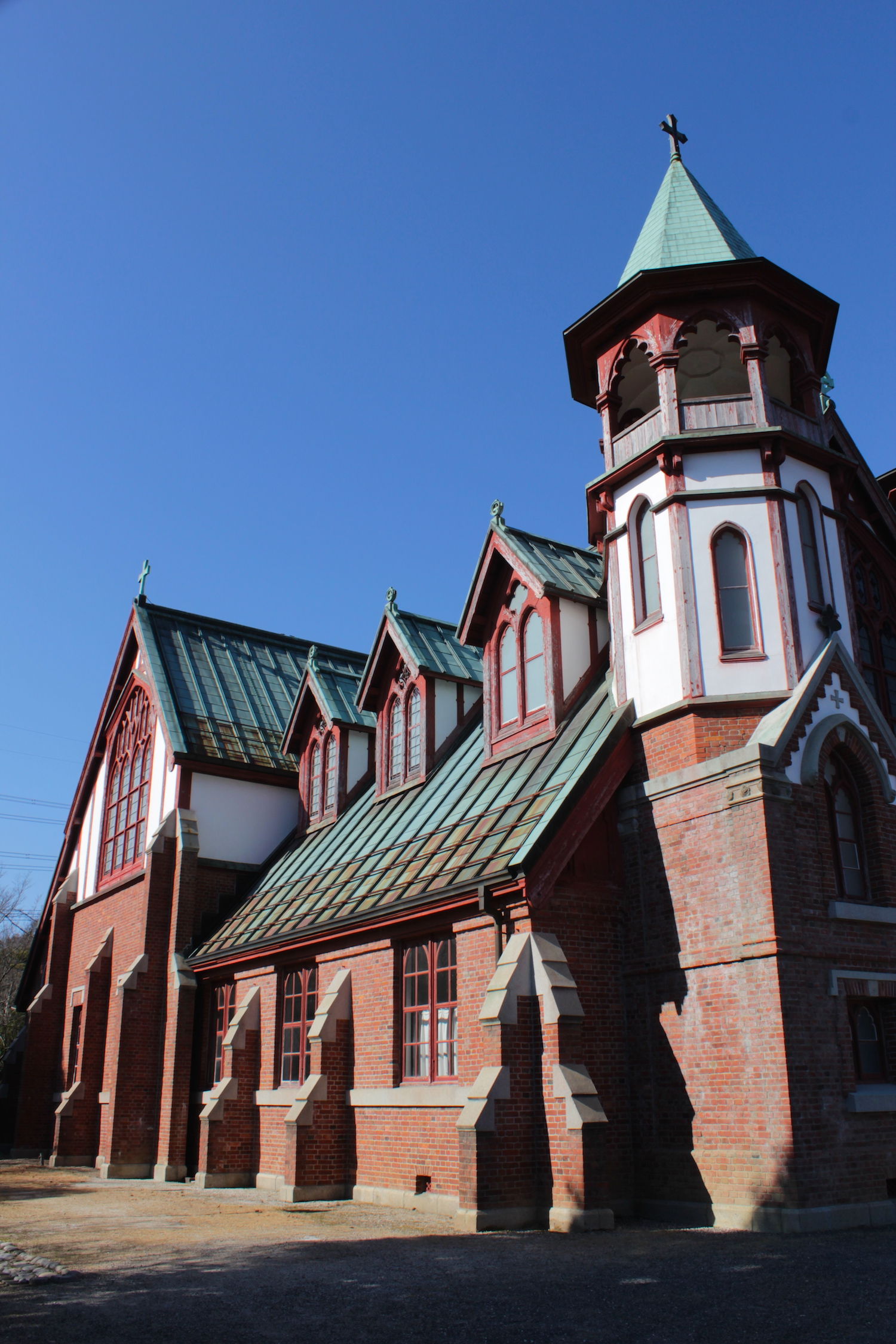
St John’s Church, Kyoto (1907) – Side View

Gakushuin Principal’s Office and Residence, Peers School, Tokyo (1909)
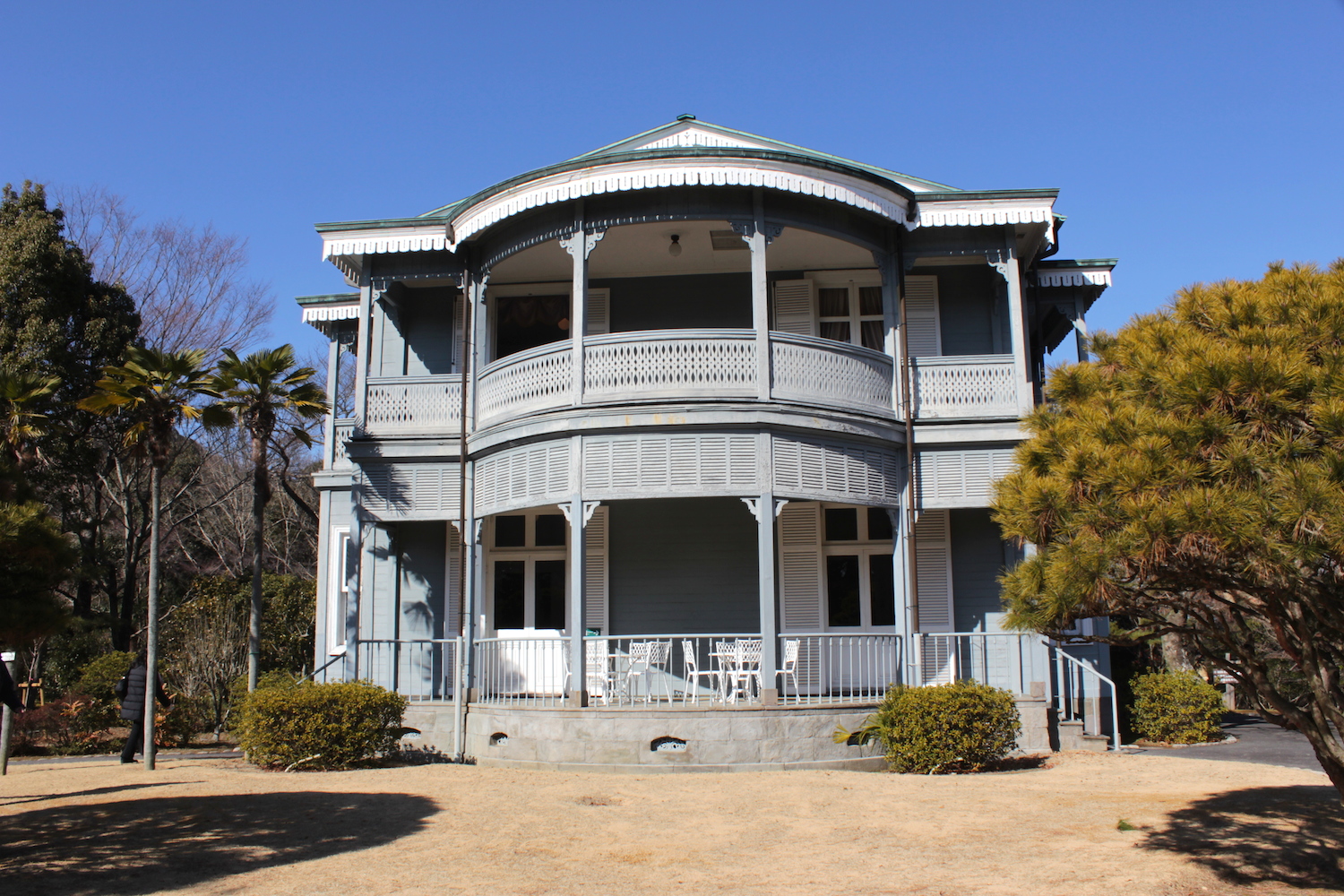
Reception Hall of Marquis Tsugumichi Saigo’s Residence, Tokyo (1880).
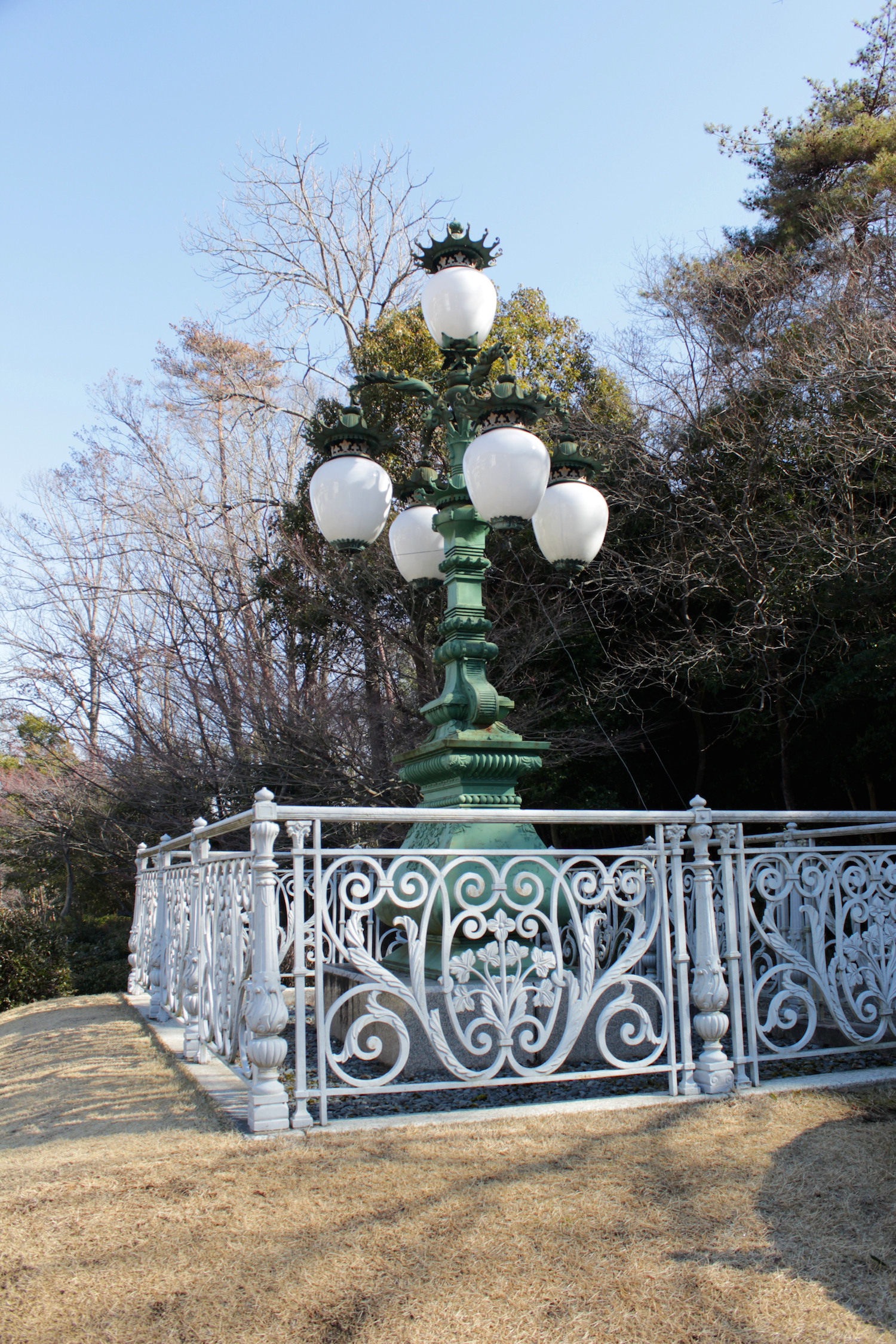
Lamp and Railing from Nijubashi Bridge, Imperial Palace, Tokyo 1880.

Imperial Carriages of Empress Shoken (1902 – left) and Emperor Meiji (1910 – right), in the Shimbashi Factory of Japan Railway Bureau, Tokyo (1889).
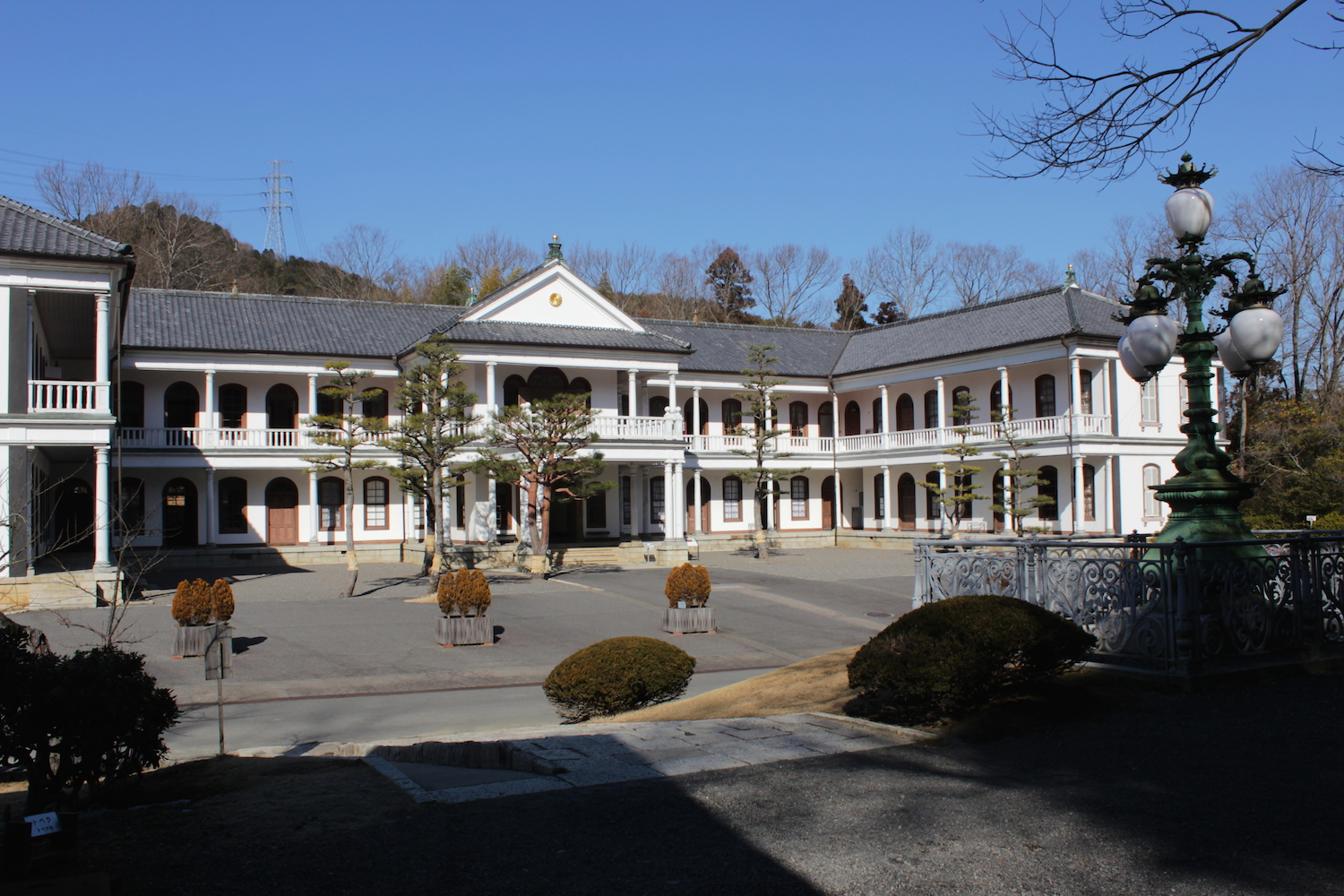
Mie Prefectural Office (1879).

Higashi-Yamanashi District Office (1885).
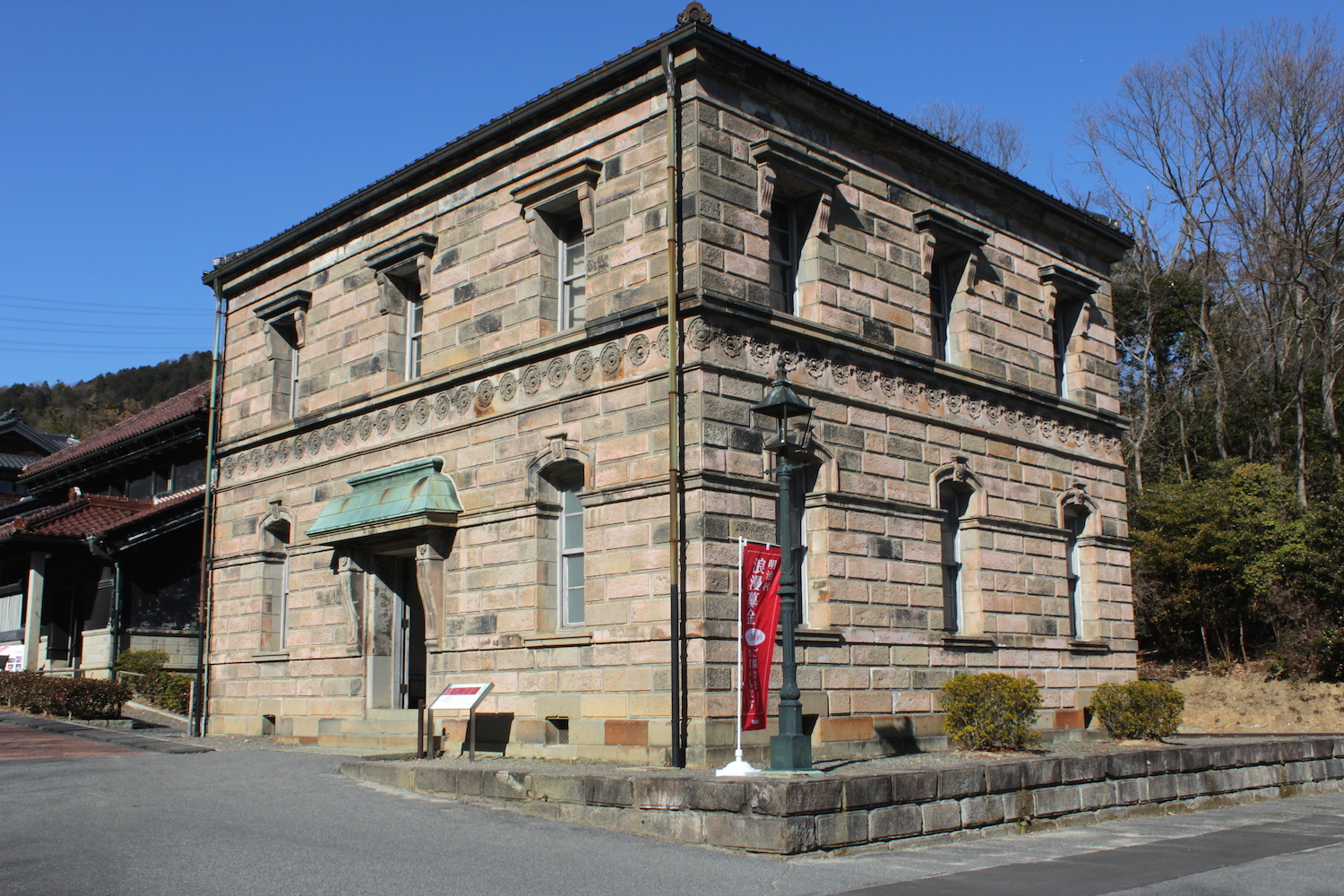
Telephone Exchange, Sapporo (1898).

Kitasato Institute, Tokyo (1915) – note the unique German style architecture.

Shingawa Lighthouse Tower, Tokyo (1870).
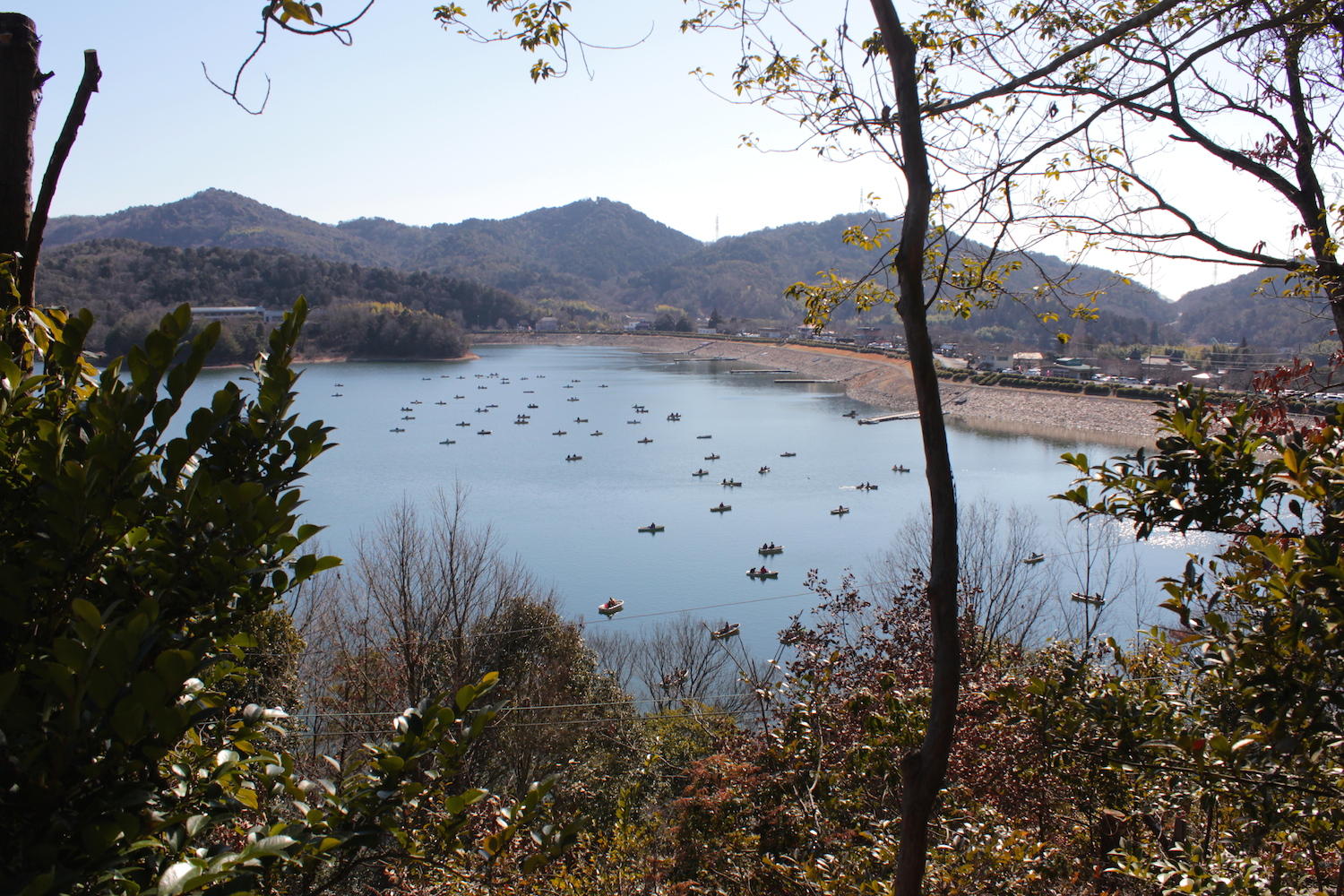
View of the Lake, with canoe-ists.

Official Abode of Sugashima Lighthouse, Mie (1873).

No. 25, Nagasaki Foreign Settlement (1889).
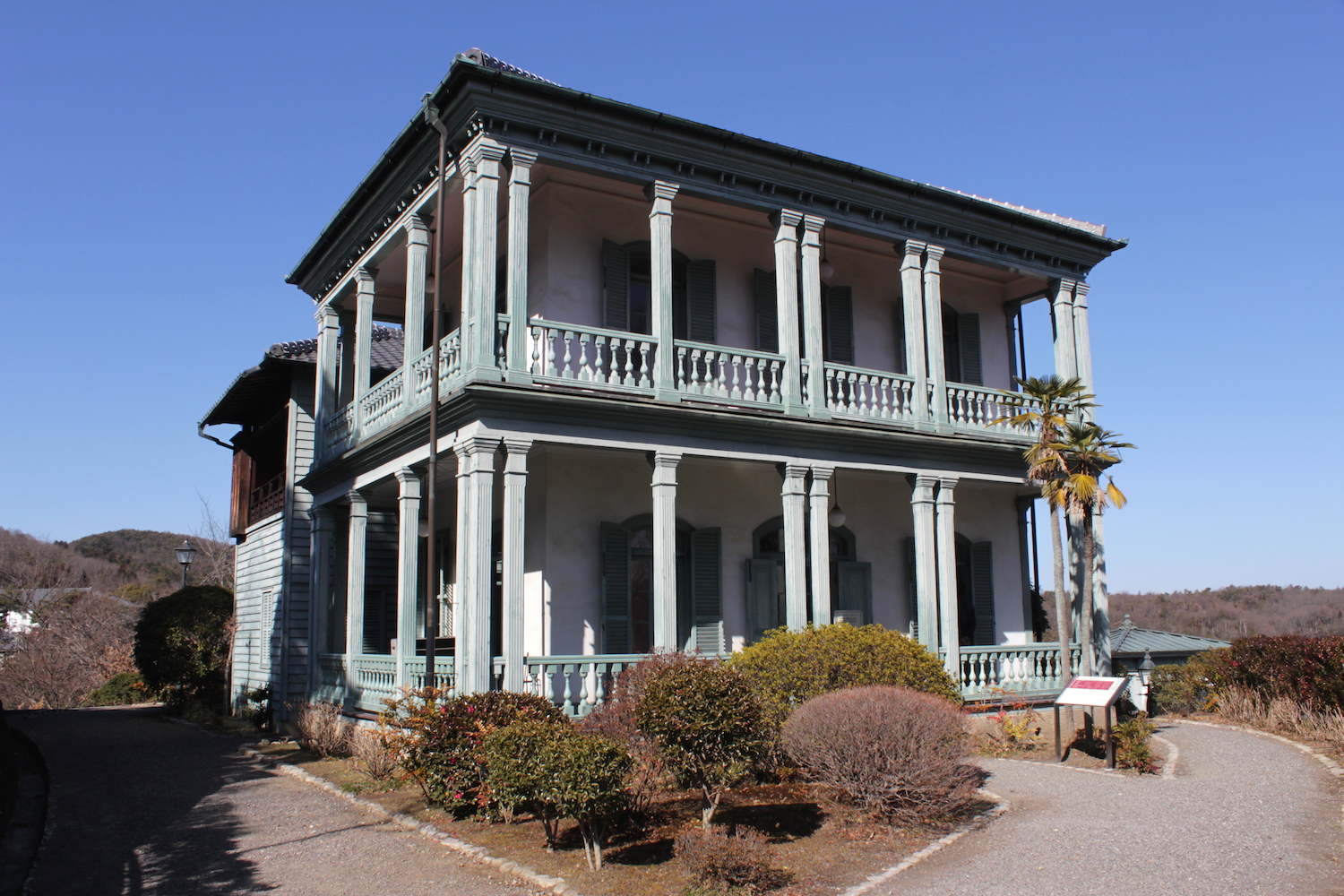
Foreigner’s House, Kobe Foreign Settlement (1890s).
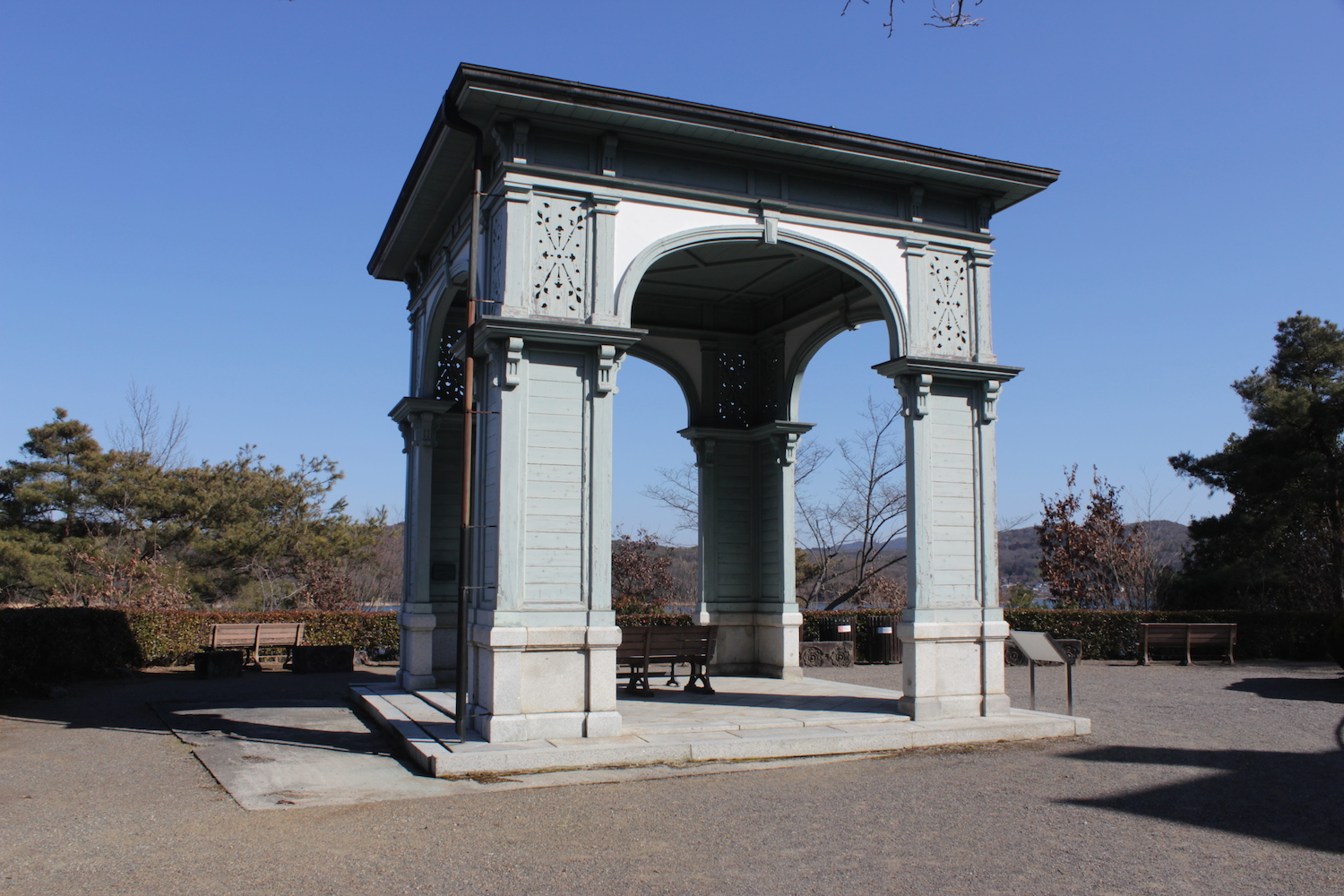
Entrance Porch of Religious College, Tokyo (1908).
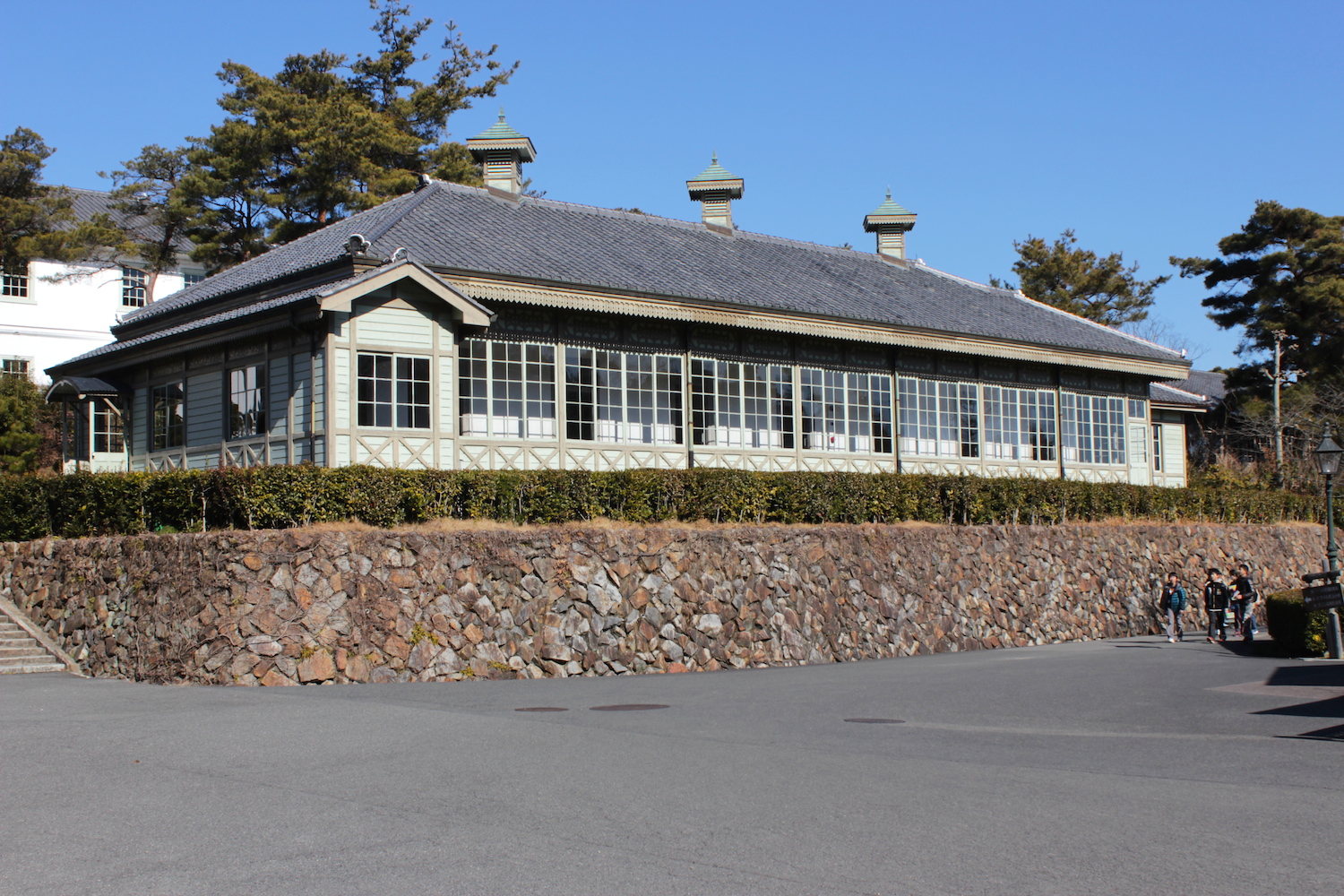
Ward of Japanese Red Cross Society Central Hospital, Tokyo (1890).
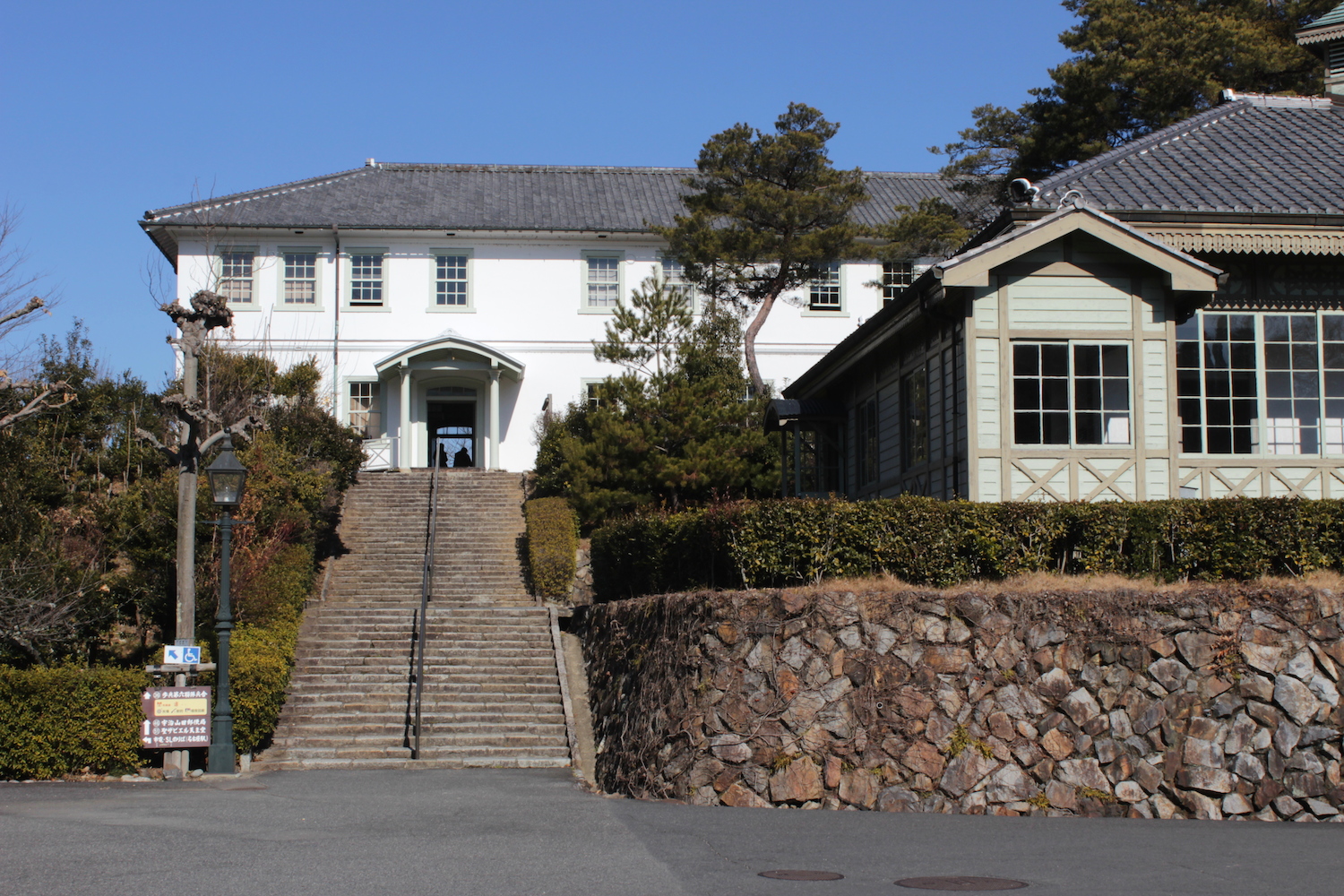
Barracks 6th Infantry Regiment, Nagoya (1873).

Rokugo River Iron Railway Bridge, Tokyo (1877).

Japanese Evangelical Church, Seattle (1907).

Uji-Yamada Post Office, Mie (1909).

Kureha-za Theatre, Osaka (1892).

Shin-Ohashi Bridge, Tokyo (1912).
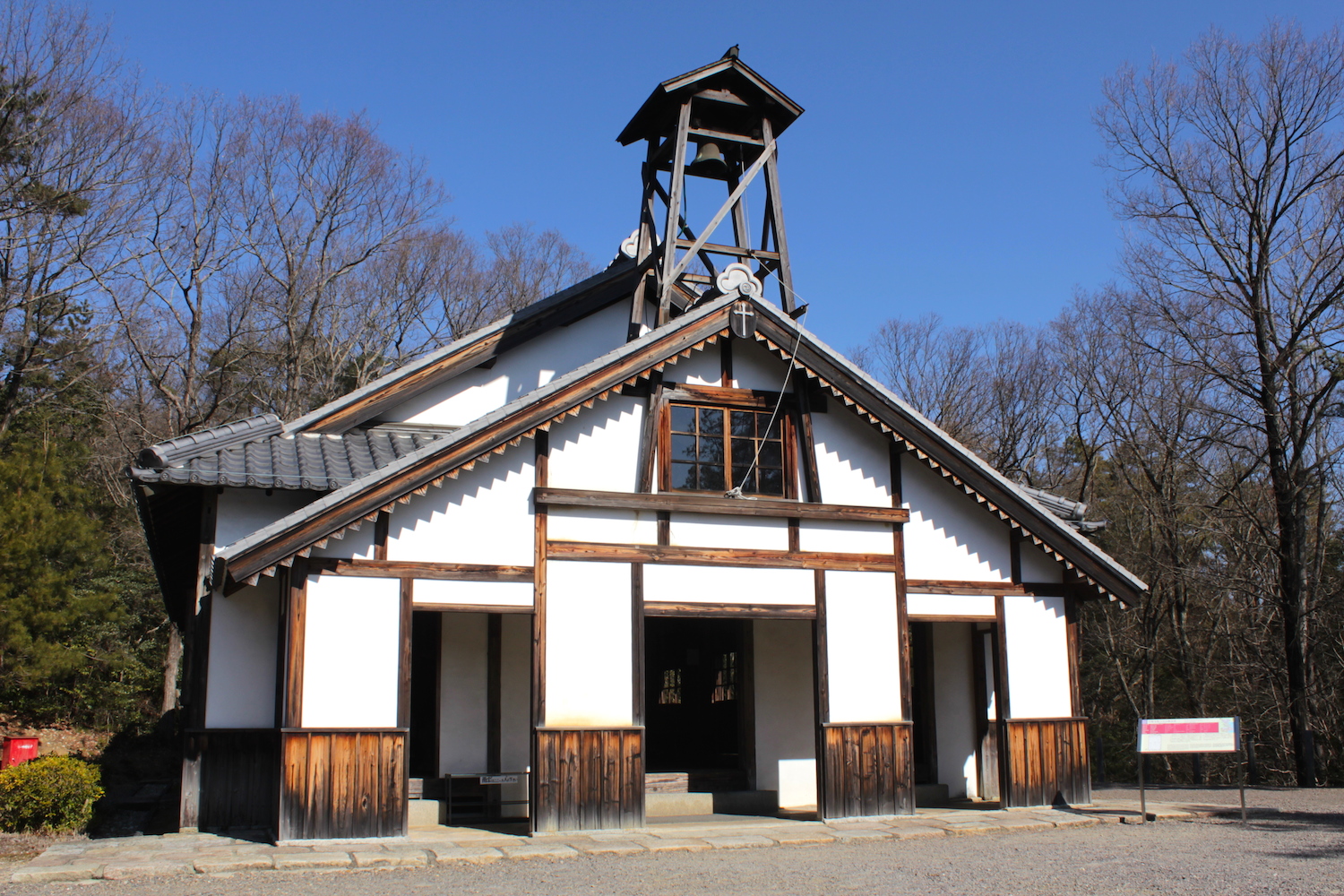
St Paul Daimyo-ji Church, Ioujima, Nagasaki (1879).

Head Office of Kawasaki Bank, Tokyo (1927) – the building had been on the verge of demolition in the 1980s, and part of it was saved and brought here.
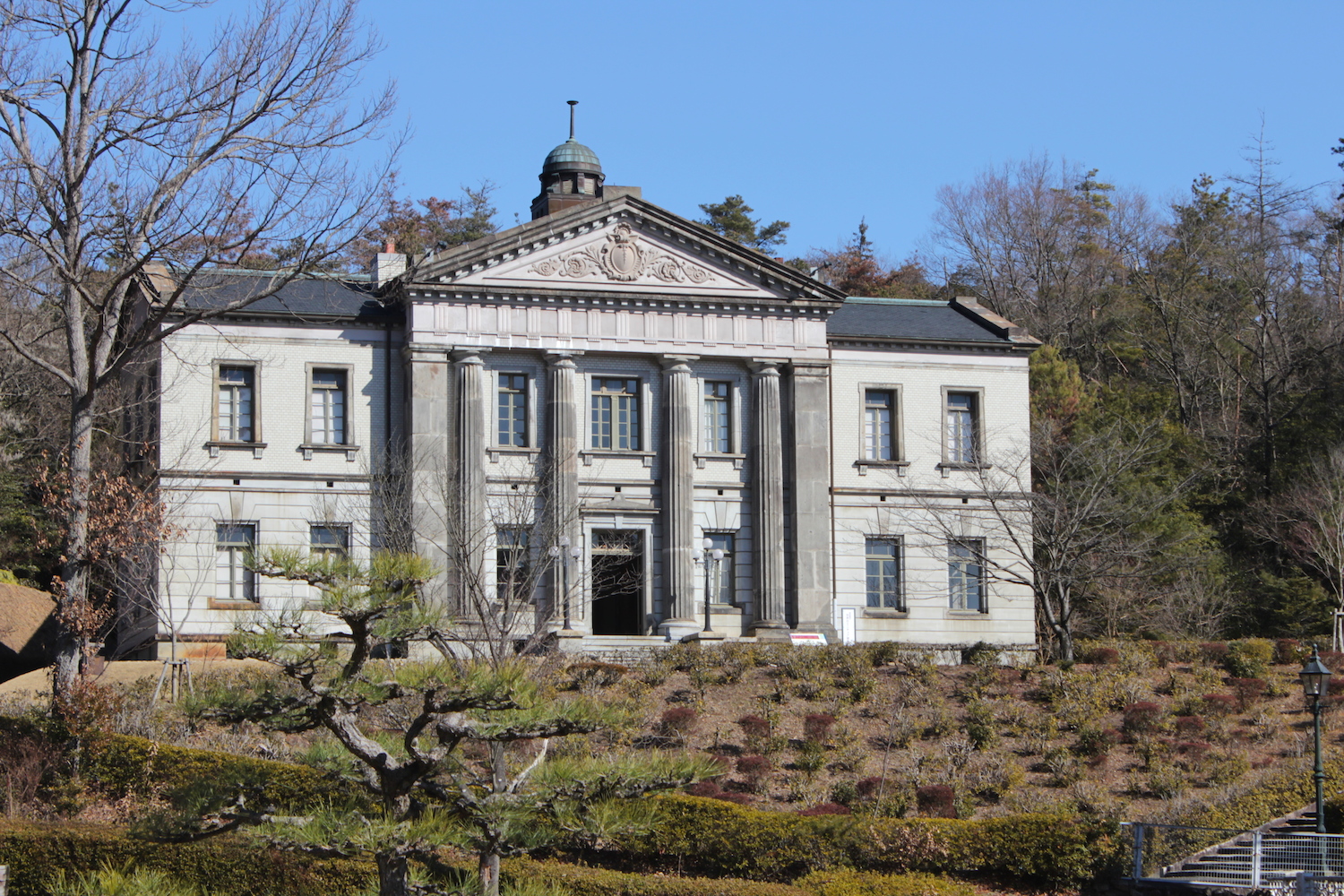
Cabinet Library, Tokyo (1911).

Tokyo Central Station Police Box (1914).

Central Guard Prison and a Ward, Kanazawa Prison (1907).
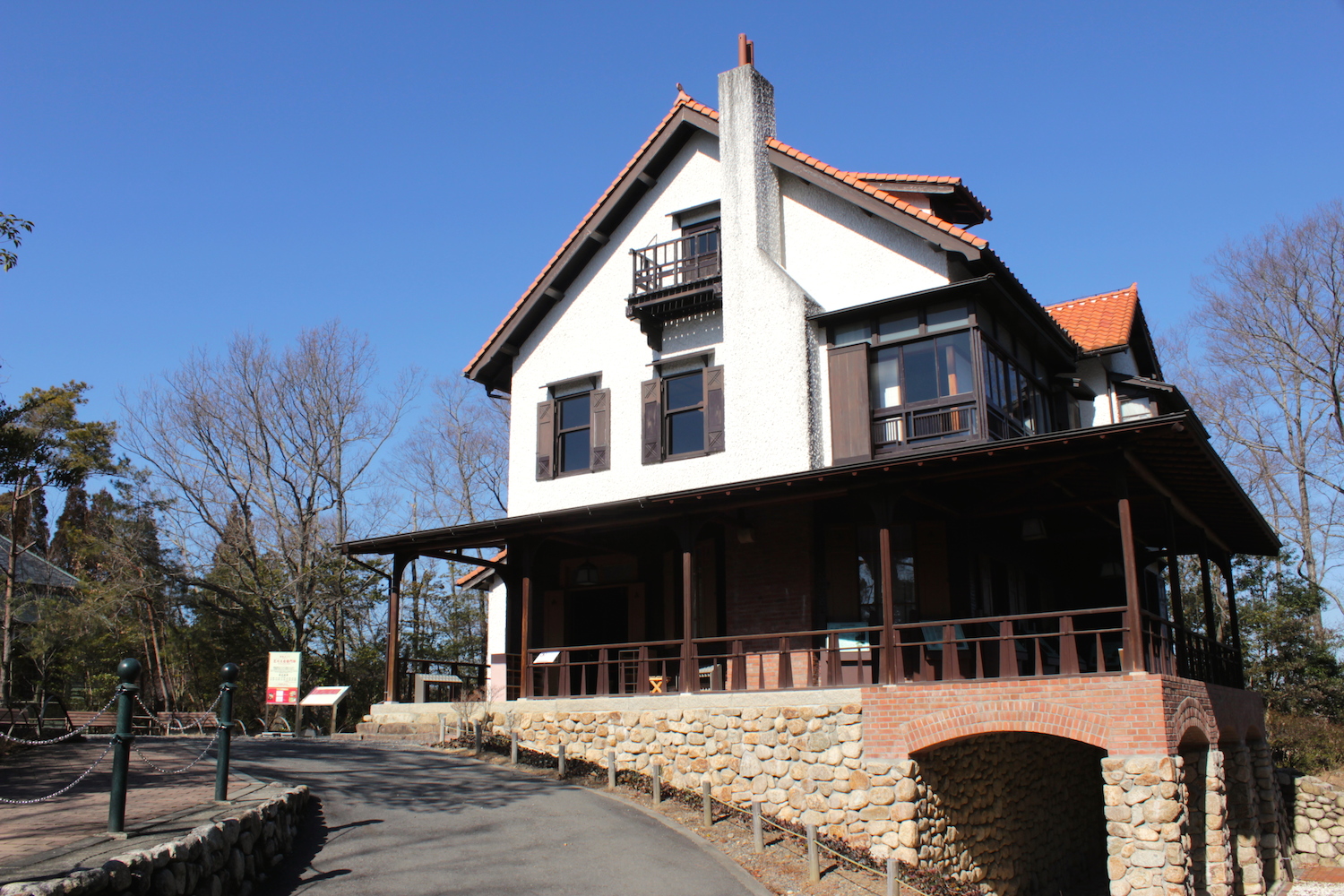
Villa of Mataemon Shibakawa, Nishinomiya (1911).
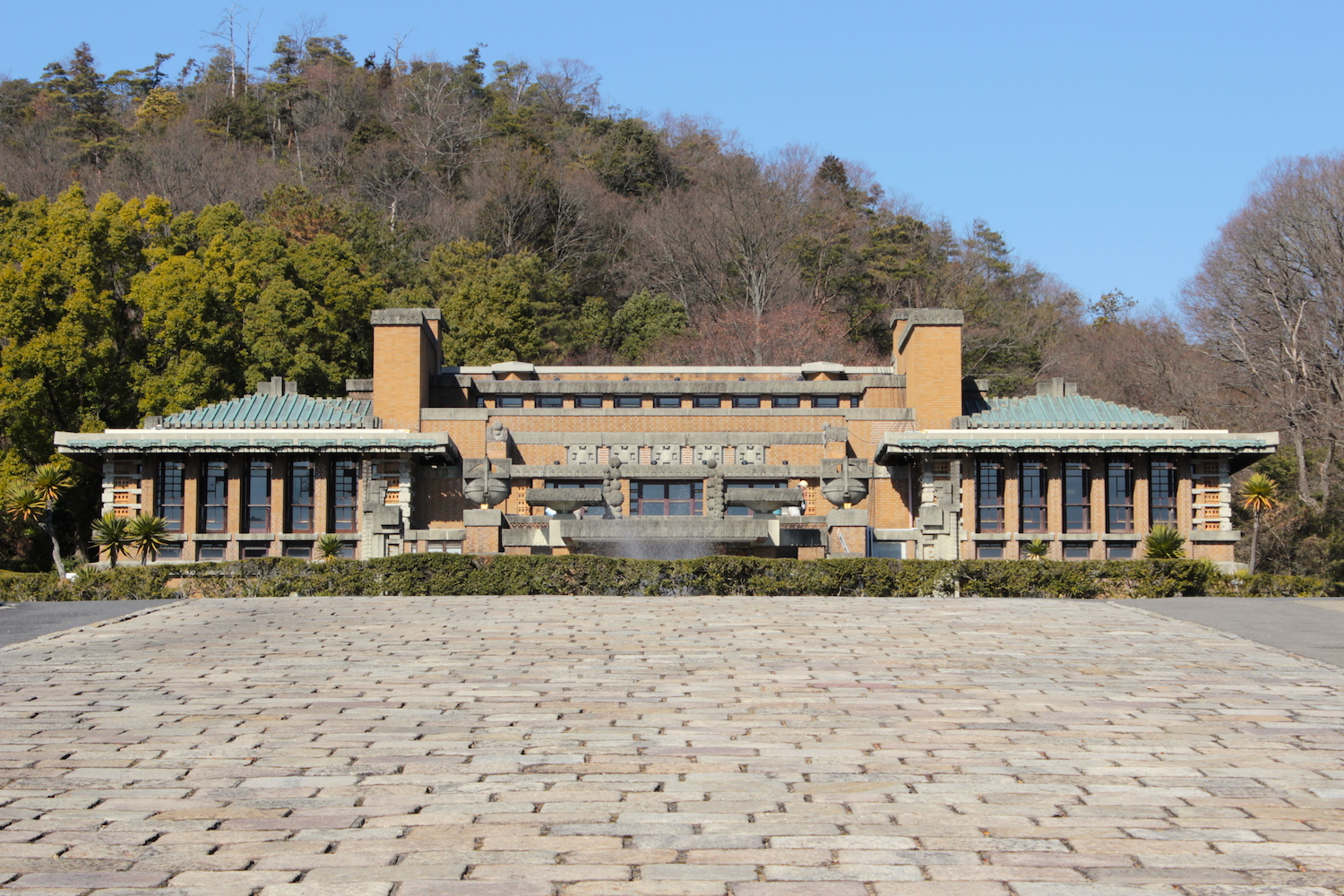
And finally… The Imperial Hotel, Tokyo (1923). Designed by Frank Lloyd Wright.

 Dream Of A City